


Trump Administration’s Potential Military Response to Minnesota Unrest
In a developing situation, the Trump Administration appears to be positioning for potential military intervention in Minnesota, with reports indicating 1,500 troops are being prepared for possible deployment. This preparation comes amid escalating tensions between federal immigration authorities and protesters in the Twin Cities area, highlighting growing concerns about civil unrest and the federal government’s response.
According to reporting from The Washington Post, defense officials speaking on condition of anonymity have revealed these preparation efforts, though neither the White House nor the Pentagon has officially confirmed deployment plans. When questioned, the White House provided a measured response, stating that the Department of War should remain “prepared for any decision the President may or may not make” – a carefully worded statement that neither confirms nor denies the possibility of military deployment. This deliberate ambiguity suggests the administration is keeping its options open while assessing the situation on the ground in Minnesota.
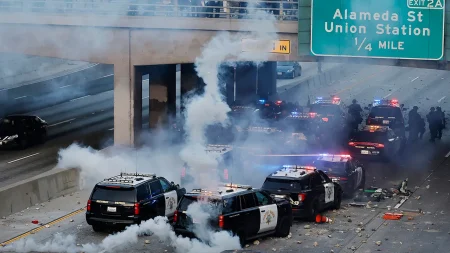
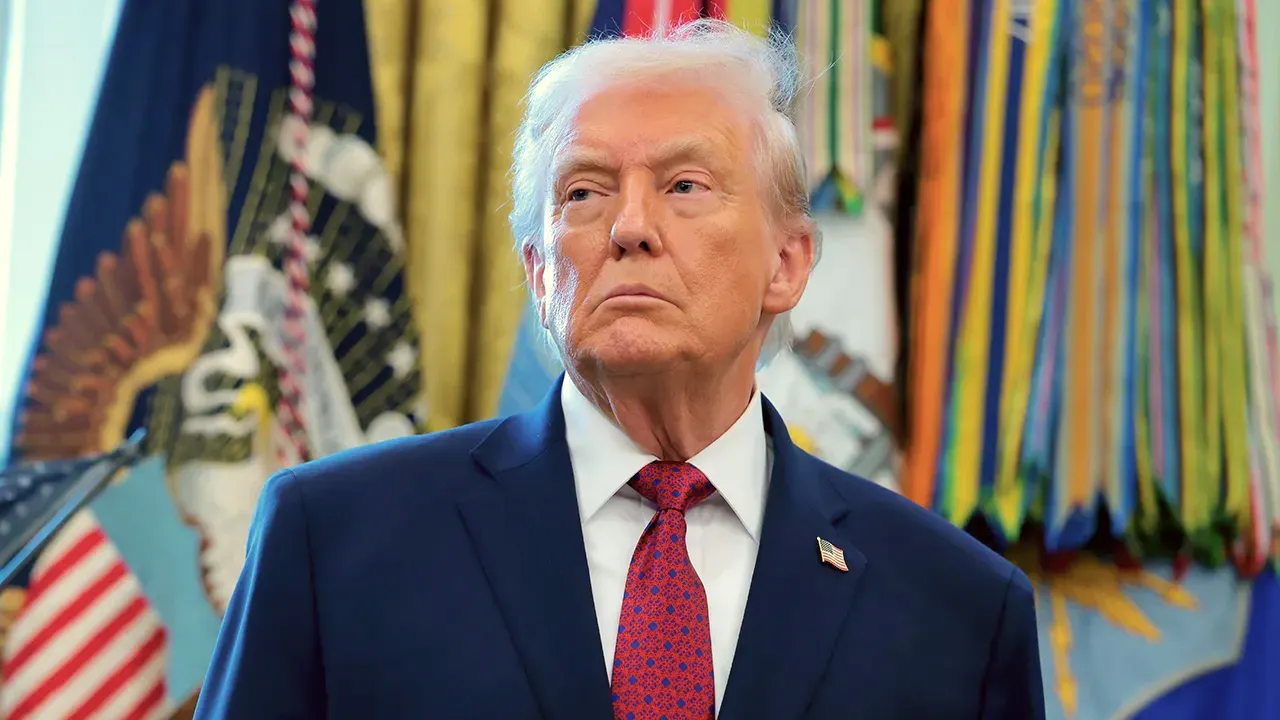
The apparent preparation follows President Trump’s recent public threats to invoke the Insurrection Act – a historically significant and rarely used legal authority that would allow him to deploy military forces on domestic soil. On his Truth Social platform, Trump directly addressed Minnesota officials, warning: “If the corrupt politicians of Minnesota don’t obey the law and stop the professional agitators and insurrectionists from attacking the Patriots of I.C.E., who are only trying to do their job, I will institute the INSURRECTION ACT.” This dramatic statement came in response to ongoing protests targeting some 3,000 federal agents already operating in Minneapolis and St. Paul following a major fraud investigation. The situation has already turned deadly, with federal agents killing activist Renee Nicole Good during a confrontation in early January, further inflaming tensions between protesters and authorities.
President Trump has since moderated his rhetoric somewhat, telling reporters while leaving the White House that he doesn’t “think there’s any reason right now to use it,” though he maintained that “if I needed it, I’d use it.” He also contextualized the potential use of the Act by referencing historical precedent: “I believe it was Bush, the elder Bush, he used it, I think 28 times. It’s been used a lot.” However, reports indicate the Insurrection Act hasn’t actually been invoked since 1992 during the Los Angeles riots following the Rodney King verdict, underscoring the extraordinary nature of such a decision. The President’s shifting tone suggests an evolving assessment of the situation, possibly influenced by both developing events in Minnesota and political considerations within his own party.
Indeed, not all Republicans appear supportive of military intervention. Senate Majority Leader John Thune has expressed hope that the situation can be resolved through coordination between local and federal law enforcement, stating: “Hopefully the local officials working with not only the federal law enforcement, ICE and other agencies, but also the local law enforcement officials will be able to settle things down.” This measured response from a key Republican leader indicates potential resistance within the President’s own party to what would be an extraordinary exercise of federal power and a significant escalation in the government’s response to civil unrest.
The situation in Minnesota exemplifies the complex tensions surrounding immigration enforcement under the Trump Administration. Protesters have been following and confronting federal agents conducting operations, creating volatile situations that have already resulted in violence. The deployment of military forces would represent a dramatic escalation and could further inflame an already tense situation. As both federal officials and state authorities navigate this challenging landscape, the potential invocation of the Insurrection Act looms as a powerful but controversial tool that could fundamentally alter the dynamics of the federal government’s response to civil unrest connected to immigration enforcement actions.