


The Fragile Path to Peace: Inside the Crucial U.S.-Iran Diplomatic Gambit
A Tense Geopolitical Dance in the Shadow of the Persian Gulf
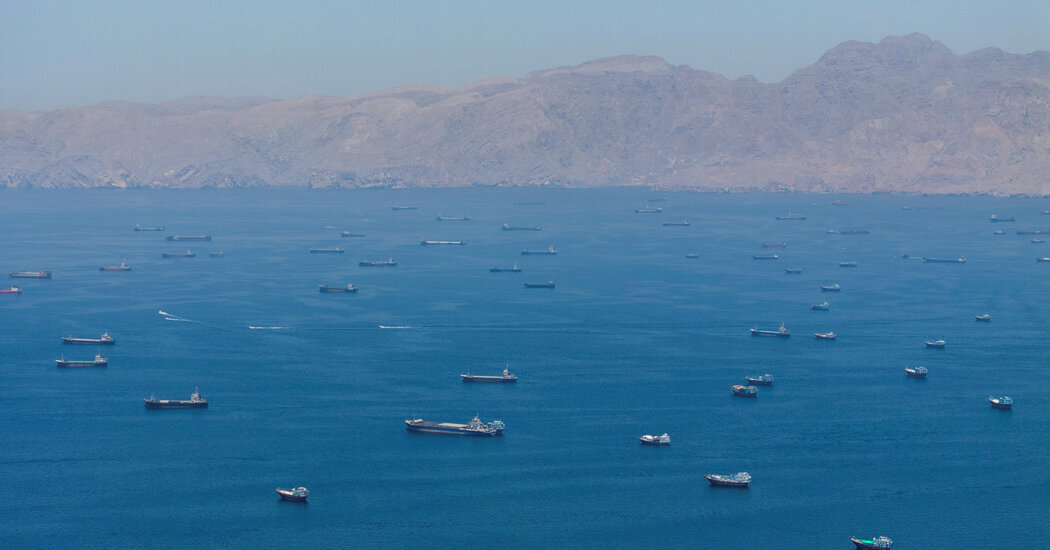
The high-stakes geopolitical drama unfolding in the Middle East has entered a highly delicate and deeply unpredictable phase, as the United States and Iran engage in intense, backchannel diplomatic talks designed to wind down a devastating regional war. At the absolute center of this complex diplomatic choreography is the imperative to reopen the Strait of Hormuz—a vital maritime shipping lane responsible for the transit of nearly a fifth of the world’s petroleum and liquefied natural gas, which has been severely choked by Iranian naval forces and retaliatory Western maneuvers. While both Washington and Tehran have publicly moved to temper global expectations of an immediate, historical breakthrough, diplomatic envoys and intelligence sources confirm that a draft framework is actively being negotiated behind closed doors. The international community is watching with bated breath to see if these tentative overtures can establish a durable framework for peace, or if they represent a brief, modern pause in an otherwise inexorable march toward a broader, catastrophic conflict. The systemic stakes of these negotiations could not be higher: a successful diplomatic resolution would immediately stabilize turbulent global energy markets, alleviate inflationary pressures worldwide, and fundamentally reshape the security architecture of the Middle East, even as decades of ideological hostility, regional proxy wars, and deep-seated systemic distrust continue to threaten the fragile structure of these high-stakes negotiations.
              ┌────────────────────────────────────────┐
              │      U.S. - IRAN NEGOTIATION TRACK     │
              └───────────────────┬────────────────────┘
                                  │
        ┌─────────────────────────┴─────────────────────────┐
        ▼                                                   ▼
┌───────────────────────┐ ┌───────────────────────┐
│ U.S. STANCE │ │ IRANIAN STANCE │
├───────────────────────┤ ├───────────────────────┤
│ • “No dust, no dollars”│ │ • Immediate ceasefire │
│ • Full nuclear halt │ │ • $25B asset release │
│ • Maintain blockade │ │ • Lift naval blockade │
└───────────────────────┘ └───────────────────────┘
│ │
└─────────────────────────┬─────────────────────────┘
▼
┌───────────────────────────┐
│ KEY CHOKEPOINT: │
│ Strait of Hormuz │
│ (1/5 of Global Oil) │
└───────────────────────────┘
The Trump Administration’s Calculus: Leverage, Blockades, and the Nuclear Demand
In the corridors of Washington, the Trump administration has adopted a posture of aggressive pragmatism, blending blunt public statements with a calculated willingness to explore unorthodox diplomatic channels to secure an historic foreign policy victory. President Donald J. Trump has made his administration’s position clear through highly publicized social media statements, asserting that any final agreement with Tehran will either be “great and meaningful” or “there will be no deal,” a rhetorical positioning designed to disarm hawkish domestic critics who argue the current proposal is far too lenient on an adversary that has spent decades destabilizing regional allies. On a high-profile diplomatic trip to India, Secretary of State Marco Rubio echoed this cautious optimism, suggesting that a solid, time-limited negotiating framework regarding Iran’s nuclear program could yield news imminently, while indicating that the administration is willing to entertain an interim agreement that stops short of immediately destroying Iran’s infrastructure. However, the U.S. negotiating team, speaking via an anonymous senior official, has maintained an ironclad stance on economic leverage, summarizing their position on Iranian economic relief under the strict doctrine of “no dust, no dollars”—a direct warning that the billions in frozen Iranian assets will remain locked away until Tehran surrenders its highly enriched uranium. To ensure maximum compliance, the crippling global naval blockade on Iranian ports, which the United States initiated in April to choke off Tehran’s primary revenue streams, remains fully active, with the White House insisting it will not be lifted until a comprehensive, verifiable agreement is fully certified and signed by all parties.
Tehran’s Strategic Posture and the Shadow of Sanctions
Across the Persian Gulf, Iranian officials are presenting a distinctly different narrative of the ongoing negotiations, framing the emerging accord as a preliminary operational framework focused strictly on ending active military engagements rather than a surrender of their sovereign defensive capabilities. In a major press briefing, Esmail Baghaei, the spokesman for Iran’s Foreign Ministry, sought to cool rapid market expectations by emphasizing that while broad conclusions have been reached on several parameters, any claims of an imminent signing ceremony are premature and ignore the formidable technical disagreements that remain unresolved. This cautious public posturing, however, stands in sharp contrast to disclosures made by senior Iranian policymakers, who, speaking on the condition of anonymity, claimed that Tehran had already agreed to a memorandum of understanding that would halt fighting on all fronts—including the active conflict involving Israel and Hezbollah in Lebanon—in exchange for the lifting of the U.S. naval blockade and the immediate release of $25 billion in frozen sovereign Iranian assets. This fundamental divergence in messaging underscores the deep domestic and geopolitical tightrope that Tehran’s leadership must walk, as they attempt to secure the vital financial lifelines necessary to stabilize their sanctions-ravaged economy without appearing to capitulate to unilateral Western nuclear demands. This persistent disparity between the American requirement for immediate, verifiable nuclear concessions and the Iranian demand for upfront economic relief reveals a profound disconnect that continues to cast a long shadow of doubt over whether these parallel tracks can ever be successfully integrated into a cohesive, lasting peace treaty.
The Enrichment Impasse: Navigating the Nuclear Threat
The most formidable technical obstacle to a lasting diplomatic resolution remains the highly complex and sensitive issue of Iran’s nuclear capabilities, a portfolio that has vexed Western administrations for decades and remains largely unresolved under the current interim discussions. According to recent intelligence and monitoring reports compiled by the International Atomic Energy Agency (IAEA), Iran has accumulated a deeply concerning stockpile of approximately 970 pounds of uranium enriched to 60 percent purity—a technical threshold that sits within striking distance of the weapons-grade enrichment required to construct a nuclear device. While the emerging framework contemplates a temporary freeze on further enrichment, negotiators are grappling with the complicated logistics of how to dispose of this material, with historical precedents like the 2015 Joint Comprehensive Plan of Action (JCPOA)—under which Iran shipped its enriched stockpile to Russia—serving as a potential blueprint, though such an arrangement is now highly complicated by current tensions between Washington and Moscow. Furthermore, the current bilateral discussions do not address Iran’s substantial ballistic missile arsenal, a vital security concern for Israel and other regional allies who remain within range of Tehran’s conventional striking power. Without a concrete, verifiable mechanism to enforce enrichment moratoriums—which the U.S. previously demanded last for at least twenty years, compared to Iran’s insistence on a much shorter timeline—any temporary agreement risks acting as a temporary geopolitical band-aid that preserves Iran’s breakout capacity rather than achieving the permanent, verified denuclearization sought by Western defense planners.
| Parameter | 2015 JCPOA Framework | 2024 Proposed Interim Deal |
|---|---|---|
| Uranium Enrichment Cap | 3.67% enrichment limit | Freeze at current levels, future limits TBD |
| Stockpile Disposal | Shipped to Russia / Diluted | Under negotiation (“No dust, no dollars”) |
| Duration of Moratorium | 10 to 15 years | Time-limited negotiations proposed |
| Ballistic Missile Limits | Excluded from core agreement | Excluded from emerging framework |
| Sanctions Relief | Broad multi-lateral lifting | Conditional release of $25B in frozen assets |
| Maritime Status | No active blockade | Reopening of the Strait of Hormuz |
Regional Fallout: Israeli Defensive Anxiety and the Alliance of Resistance
The prospect of a finalized U.S.-Iran agreement has sent profound shockwaves through regional capitals, triggering a complex mix of intense diplomatic anxiety and aggressive rhetorical posturing from key combatants on the ground. Israeli Prime Minister Benjamin Netanyahu, whose military forces joined the United States in the initial offensive that ignited this war in late February, waited nearly eighteen hours before publicly acknowledging a telephone consultation with President Trump, a calculated delay that regional analysts suggest betrays deep concern within Jerusalem that Washington might accept an incomplete deal that fails to permanently neutralize Iran’s atomic ambitions. While Netanyahu emphasized that Trump reaffirmed Israel’s sovereign right to defend itself against regional threats, particularly along its volatile northern border with Lebanon, the persistent clashes between Israeli forces and Hezbollah have severely strained the fragile ceasefire instituted in April. Meanwhile, Hezbollah’s supreme leader, Naim Qassem, sought to exploit the diplomatic vacuum to project geopolitical strength, delivering a fiery address in which he framed the potential bilateral agreement as an absolute victory for the “Axis of Resistance” that had successfully humiliated American military might. This triumphalist rhetoric, combined with stinging criticism from domestic American hawkish voices such as Senator Thom Tillis of North Carolina, highlights the immense political risk associated with any deal that is perceived as accommodating Tehran, suggesting that even if a signature is obtained, enforcing the peace across such a fragmented and hostile landscape will require a monumental effort of deterrence and diplomatic policing.
The High-Stakes Gamble for the Future of global Security
As the diplomatic clock ticks down and backchannel communications continue globally, negotiators from both sides find themselves walking an exceptionally narrow tightrope between historic pacification and catastrophic failure. President Trump has vigorously struck back at his domestic detractors on social media, dismissing critics as political losers who fail to comprehend the sophisticated financial and maritime leverage his administration has deployed to force the Iranian regime to the negotiating table. The ultimate success of this high-stakes diplomatic gamble will depend entirely on whether the two nations can transition from a transactional, short-term truce—such as the opening of the Strait of Hormuz and mutual maritime de-escalation—into a comprehensive, legally binding treaty that addresses the root causes of their decade-long enmity. If the current talks collapse under the weight of domestic political pressure, unresolved technical disputes over enrichment timelines, or sudden kinetic escalations on the Israel-Lebanon border, the region risks sliding back into an unrestricted war that could permanently disrupt the global energy sector and spark a catastrophic nuclear arms race. Yet, the very fact that these historic rivals are actively engaging in structured negotiations, trading draft memorandums, and contemplating significant strategic compromises represents a profound shift in modern international relations, demonstrating that even in the face of seemingly insurmountable hostility, the pragmatic pursuit of national survival can still open the door to a fragile, albeit uncertain, dawn of peace.