





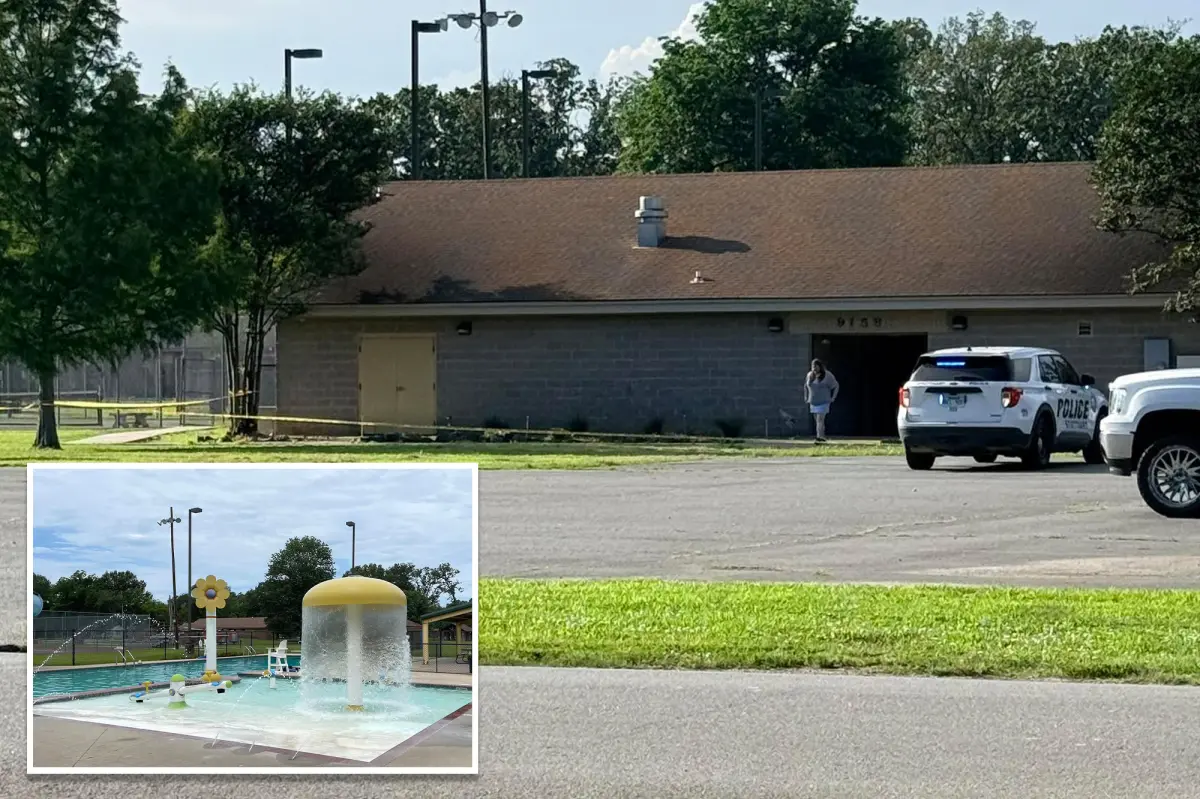
Stuttgart, Arkansas, is a quiet, close-knit city nestled in the heart of the Grand Prairie, roughly an hour’s drive southeast of Little Rock. Famous for being a major agricultural center and a popular destination for outdoor enthusiasts, it is the kind of warm, welcoming Southern community where generations of families have put down deep roots, neighbors look out for one another, and quiet weekend afternoons are spent enjoying the simple pleasures of rural life. On any typical mid-summer Saturday, there is perhaps no place in town more vibrant, lively, and filled with innocent joy than the John Cain Aquatic Center. It serves as a beloved local oasis where children splash in the cool, sparkling waters to escape the sweltering Arkansas heat, teenagers gather to socialize along the grassy banks, and parents sit back in lawn chairs to enjoy a brief, peaceful respite from their busy work weeks. On this particular Saturday, just before five in the evening, the atmosphere at the aquatic center was no different, alive with the familiar sound of children’s giggles, splashing water, and lighthearted chatter. Yet, that idyllic scene of seasonal tranquility and pure community joy was shattered in a single, terrifying instant. The sudden, violent echo of gunfire pierced the humid afternoon air, instantly transforming this cherished sanctuary of childhood play into a chaotic scene of absolute panic, fear, and confusion. This abrupt and violent disruption of peace left the entire tight-knit town reeling in profound shock, forcing its residents to confront an unimaginable and heartbreaking tragedy in a public recreational space they had always assumed to be entirely safe and secure for their most vulnerable young ones, forever altering their perception of safety.
The chaos erupted with terrifying speed near the public pool, sending terrified families scrambling for any available cover as the shocking realization of active gunfire set in. At approximately 4:50 p.m., the dispatchers at the Stuttgart Police Department began receiving a barrage of frantic, breathless phone calls reporting multiple shots fired near the John Cain Aquatic Center. Officers raced toward the scene with sirens blaring, accompanied by emergency medical teams, only to be confronted upon arrival with a nightmare scenario that no community ever wishes to experience. Three young children had been caught directly in the path of the violence, suffering gunshot wounds of varying severity. Among these innocent young victims, one child had sustained a particularly devastating wound directly to the chest, a highly critical and life-threatening injury that required immediate, highly specialized emergency medical attention and rapid transport to a nearby hospital. Although the police department did not immediately elaborate on the specific physical injuries or current medical conditions of the other two wounded children, the mere knowledge that three young lives had been so violently disrupted while simply trying to enjoy their weekend sent a powerful shockwave of grief through the entire region. First responders worked with desperate, heart-wrenching urgency to stabilize the bloodied youngsters, their own hearts heavy with the profound emotional toll of treating child victims, while crowds of distraught parents, weeping onlookers, and bewildered swimmers stood by in helpless silence as the sirens faded into the warm evening air.
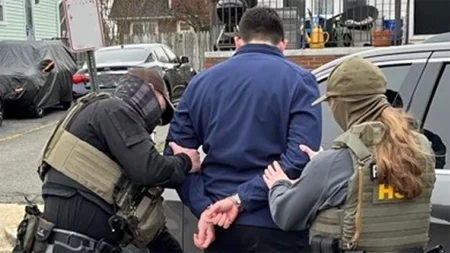
Within mere minutes of the shooting, a swift, decisive, and coordinated response by the Stuttgart Police Department and the Arkansas County Sheriff’s Office led to the successful apprehension of a suspect, preventing any further immediate danger to the public. However, the initial relief of a quick arrest was quickly overshadowed by a deeply somber and troubling revelation from the investigators: every single individual involved in this senseless act of violence—both the three wounded victims who were rushed to the hospital and the suspect taken into police custody—was a juvenile. Due to their legal status as minors, law enforcement officials promptly announced that no names, exact ages, or identifying details would be released to the general public, drawing a necessary curtain of privacy over the proceedings. This legally mandated anonymity added a highly haunting and reflective layer to the tragedy, leaving community members to grapple in the dark with the disturbing, painful reality that children were inflicting violence upon other children. In small, traditional towns like Stuttgart, where youth are collectively cherished as the promise of the future, the concept of a young minor harboring such immense anger, or having ready access to the lethal means necessary to pull a trigger in a crowded public pool area, is profoundly unsettling. It forces a painful, internal community dialogue regarding the vulnerabilities of modern youth, the critical issue of firearm accessibility, and the quiet, often unaddressed mental struggles that young people cope with, leaving an entire town to mourn not just physical wounds, but a collective loss of innocence.
The physical and emotional aftermath of the shooting was immediate and palpable, characterized by a heavy, stifling silence where vibrant laughter had echoed just hours prior. In the direct wake of the terrifying incident, the management of the John Cain Aquatic Center released a poignant, brief statement on social media, notifying the public that the popular facility would remain closed “until further notice” to allow for investigations and healing. The sudden, indefinite closure of this vital public space acts as a stark, visible scar on the town, serving as a constant, daily reminder of the violence that unfolded on its concrete decks. A municipal swimming pool in a small, rural county is far more than just a collection of chlorinated water and diving boards; it represents a crucial social hub, a place of shared childhood memories, and a much-needed summer refuge for families who cannot afford private recreation. To see its heavy gates locked shut and its waters completely still under the summer sky is to witness a community temporarily robbed of its collective joy and safe haven. Parents who once sent their kids to splash around with friends without a single worry are now forced to navigate a difficult, anxiety-ridden landscape of maternal and paternal fear, wondering if any public park, school, or pool can ever truly be deemed safe again, while the surrounding neighborhoods adjust to an unfamiliar, grieving quietness.
As the yellow crime scene tape was slowly cleared away from the perimeter, the grueling and highly meticulous work of the investigation began in earnest under a cloud of community distress. The Stuttgart Police Department, working in close collaboration with the Arkansas County Sheriff’s Office, the Arkansas State Police, and the Stuttgart Parks Department, embarked on an exhaustive quest to piece together the exact sequence of events and motives that preceded the gunfire. Police officials openly expressed that the entire department was “deeply saddened” by the tragic afternoon, issuing public statements of empathy and solidarity aimed at comforting a traumatized and frightened public. “Our thoughts and prayers are with the victims, their families, and every person affected by this tragic incident,” the official police statement read, emphasizing their steadfast, unwavering commitment to conducting a thorough investigation to ensure complete legal accountability for whoever is responsible. Despite these reassurances and the ongoing efforts of detective units to gather information, many critical questions remain agonizingly unanswered. Residents are left wondering what possible argument, grievance, or circumstance could possess a young person to bring a loaded weapon to a children’s swimming pool. This lack of immediate explanation only serves to heighten the community’s collective anxiety, as local citizens look anxiously to their civic and law enforcement leaders for concrete strategies to ensure such a nightmare never recurs.
Ultimately, the healing process for the town of Stuttgart will not be measured in simple weeks or months, but in the long, courageous, and collective journey toward reclaiming their shared sense of peace and security. For the three injured children and their deeply shaken families, the physical wounds inflicted by the bullets may eventually heal over time, but the invisible psychological trauma of surviving that terrifying Saturday afternoon will require lifelong care, patience, and unwavering community support. This senseless tragedy serves as a solemn, sharp reminder of the ultimate fragility of safety in modern times, proving that the devastating ripples of gun violence spare no community, regardless of how small, peaceful, or tightly knit it may appear on a map. However, even in the deepest shadow of this dark event, the resilient and caring spirit of the Stuttgart community has already begun to shine through, as neighbors rally around the affected households, offering earnest prayers, home-cooked meals, and a shared resolve to not let fear dictate their future. True recovery for this town will require far more than simply unlocking the gates of the John Cain Aquatic Center; it will require a united, community-wide effort to support their local youth, foster open, honest dialogues about gun safety, and slowly rebuild the trust that was so abruptly shattered. Through solidarity, love, and deep compassion, this small Arkansas community will strive to move forward together, work toward healing, and ensure that the happy, carefree laughter of children playing in the water will again rise up to completely drown out the painful memories of sirens and gunfire, restoring the pool to the peaceful sanctuary of summer joy it was always meant to be.