


Paragraph 1
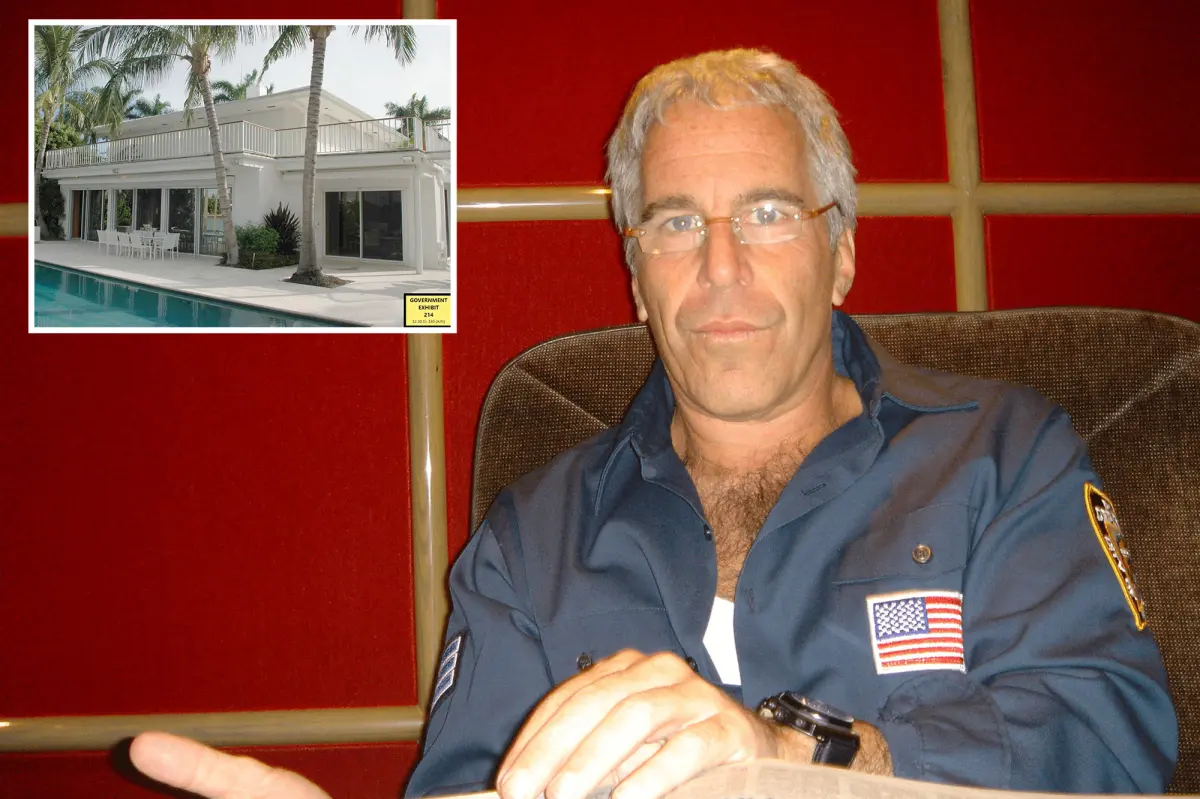
In the shadowy aftermath of Jeffrey Epstein’s notorious life, a chilling discovery has emerged that peels back another layer of his predatory world, revealing a man who meticulously curated a treasure trove of depravity in hidden storage lockers. Over 16 years, Epstein, the disgraced financier whose name became synonymous with elite privilege masking monstrous abuse, rented at least six such units across the United States. But it was the Palm Beach locker that unleashed the most damning secrets when its contents were inventoried, painting a picture not just of a criminal hoarding evidence, but of a calculated manipulator who viewed human lives as commodities. Visualizing this isn’t a leap into fiction; it’s piecing together how someone could amass sex-slave manuals, stacks of address books filled with potentially blackmailed contacts, and an enormous porn stash, all stowed away like forbidden relics. These items weren’t mere possessions; they were tools in a web of exploitation that touched countless victims, many of whom were voiceless young women tricked into abusive situations under the guise of luxury. Epstein’s life, once a whirlwind of private jets and island getaways, now stands exposed as a facade for a darker reality—one where power wasn’t just wielded, but weaponized. The human toll here is immense: behind the cold lists of masseuses and lab results are stories of shattered innocence, families torn apart, and survivors grappling with trauma that echoes long after. As society absorbs these revelations, we’re reminded of the fragility of trust, how a wealthy few can operate beyond accountability, and the urgent need for justice that outlives even the dead. This inventory isn’t just evidence; it’s a mirror reflecting our collective failure to protect the vulnerable, urging us to confront how such horrors can fester in plain sight.
Paragraph 2
Delving deeper into the Palm Beach storage unit’s contents sparks a profound unease, transforming abstract evil into tangible heartbreak. Among the disturbing finds were three densely packed pages listing masseuses, their names and details scribbled in a clinical, transactional manner that suggests Epstein saw them as interchangeable objects rather than people with dreams and struggles. Alongside these lists lay personal letters, perhaps missives of manipulation or blackmail, and lab results that could hint at health secrets exploited for control, all hiding just feet from the Palm Beach mansion where so much of the abuse allegedly occurred. But it was the media collection that hit hardest: VHS tapes and DVDs that overtly eroticized teenagers, depicting disturbing acts that exploited youth in grotesque ways, paired with nude photos of women who investigators believe were Epstein’s victims. These weren’t hidden snapshots for personal thrill; they screamed of a systematic operation to intimidate and silence. Imagine the fear etched on the faces of those photographed, young lives reduced to fodder in a tyrant’s archive. The porn stash, sprawling in scope, wasn’t random; it targeted vulnerabilities, reinforcing power imbalances. Yet, humanizing this requires acknowledging the humanity of those affected—victims who might have entered Epstein’s orbit seeking opportunity, only to find chains of deception. Their stories, often untold amid the headlines, involve hopes dashed, relationships severed, and ongoing battles for mental health. For the masseuses listed here, these pages might evoke memories of coerced encounters under the pretense of relaxation, their experiences echoing millennia-old confrontations with power’s abuse. Societally, it forces reflection on cultural norms that enable such commodification, where wealth buys silence and fear. Epstein’s hoard wasn’t just sickening; it was a deliberate act of dehumanization, preserving horrors for posterity, a stark reminder that beneath the politeness of elite society lurked something feral and unforgiving.
Paragraph 3
The Palm Beach locker stood as just one outpost in Epstein’s nationwide fortress of secrecy, a testament to his paranoid foresight in safeguarding his dark empire. Rented out in a mundane strip mall setting, miles from his opulent estate, these units represented a strategic withdrawal, evidence scattered like breadcrumbs across the U.S. to obscure the trail from prying eyes. Investigators now know he leased at least five others over those 16 years, each potentially harboring similar caches of incriminating evidence, a chess move that spoke to a mind ever plotting escape. Epstein, the Harvard-educated genius who rubbed shoulders with presidents and princes, invested not just money but a chilling pragmatism in these precautions, turning ordinary storage into vaults of vice. Picture the logistics: hiring private detectives to ferry boxes under the cloak of night, evading the watchful gaze of authorities, all while maintaining a veneer of normality. This wasn’t impulsive; it was calculated survival, borne of a lifetime dodging consequences. For those who knew him, it paints a portrait of a chameleon—charismatic yet cold, always steps ahead, prioritizing his preservation over basic decency. The human element here weaves through the lives of those detectives, lured by lucrative jobs into complicity, perhaps unaware or willfully blind to the tragedy they facilitated. Fathers, sons, brothers—many storage workers and investigators might grapple with the guilt of touching the remnants of broken lives. In broader strokes, it reveals a systemic Rot where such evasion was possible, laws failing the guardians they were meant to be. Epstein’s network of units wasn’t mere paranoia; it was a declaration of untouchability, challenging us to dismantle the structures that allow predators to flourish unchecked.
Paragraph 4
The saga of concealment reached its frenzied peak in 2005, as the Palm Beach mansion—the epicenter of Epstein’s alleged sex trafficking—faced imminent raid by authorities, prompting a hurried gambit to relocate damning materials. That’s when Epstein reportedly enlisted private detectives, paying them handsomely to shuttle items from the mansion’s gilded halls to the anonymous locker, an act of desperation that betrayed a man cornered yet defiant. Hours turned into a covert operation, boxes crammed with incriminating files and media whisked away under cover of darkness, each move a heartbeat of escape from justice’s grasp. This wasn’t just hiding; it was an orchestrated purge, evidence slip-sliding into obscurity to protect a reputation built on illusion. The human layer beneath this panic uncovers a web of enablers—detectives torn between moral compasses and financial gain, staffers whispering in corridors about the chaos unfolding. Epstein himself, in his tailored suits and inscrutable smile, embodied the tormentor who saw urgency only in self-defense, indifferent to the wreckage left in his wake. For victims whose photos and details were among the evacuees, this act of concealment prolonged their agony, denying them the catharsis of exposure. Society here sees a reflection of privilege’s shield, where the rich evade accountability with hired hands, leaving the vulnerable to bear silent loads. It’s a narrative of betrayal, one that humanizes the detective’s dilemma: balancing breadwinning with complicity in horror. Ultimately, this bolt for freedom highlights the failings of oversight, urging reforms that close loopholes for the Epsteins of the world, ensuring no predator’s haste can outrun truth forever.
Paragraph 5
For several years following that 2005 raid, the Palm Beach locker sat undisturbed, its contents a silent sentinel to Epstein’s unpunished past, hidden in plain sight among everyday commerce. What happened within those walls during those untouched periods remains shrouded, a limbo where the fruits of evil lingered, perhaps gathering dust yet preserving their potency. Was anyone aware of the trove—a neighbor, a worker—and if so, did they turn a blind eye, caught in the inertia of denial? This dormancy underscores a chilling stagnation, where justice paused long enough for the dead’s sins to ferment. Epstein died in 2019 amid renewed scrutiny, but these items, stubbornly out of reach, symbolize unfinished reckonings. For the victims implied in those photos and tapes, it meant years of shadows, whispers of doubt persisting without concrete closure. Humanizing this stasis involves empathy for the families waiting, the survivors wondering if their stories would ever vindicate. The locker wasn’t just storage; it was a time capsule of trauma, a monument to evasion’s success. Society grapples with this inertia, questioning how such legacies endure, how privilege buys time. Yet, in this stillness, there lies resilience—the faint glimmers of advocacy pushing for accountability. It’s a reminder that hidden truths don’t vanish; they demand excavation, forcing us to confront the cost of patience in the face of impunity.
Paragraph 6
The uncertainty shrouding these items’ ultimate fate adds a layer of tension to Epstein’s legacy, as it’s unclear whether the FBI ever unearthed the Palm Beach locker’s secrets during their comprehensive sex trafficking investigation. Emails from the latest Epstein files hint at frantic efforts by his staff to relocate and wipe computers, suggesting a broader purge that might have included or overlapped with these physical stashes. In that bureaucratic ballet of probes and revelations, the locker could have been overlooked or deliberately sealed, a loose end in a saga saturated with misinformation. This ambiguity humanizes the ordeal for all involved: investigators frustrated by red herrings, survivors yearning for clarity, and a public left grappling with a justice system that sometimes feels opaque. Epstein’s case wasn’t isolated; it exposed networks of complicity that demand systemic change. For the victims, whose nude images and details were likely weaponized, this unresolved puzzle prolongs healing, a testament to the lingering scars of exploitation. Yet, amid the shadows, advocacy thrives—movements amplifying voices once silenced, pushing for reforms in handling elite scandal. Reflecting on this, we see the power of persistence, of unearthing buried horrors to foster empathy and action. Epstein’s hidden caches aren’t just relics; they’re catalysts for dialogue, compelling us to build a world where storage units of injustice no longer hide in the margins. In embracing these revelations, society cultivates compassion for the affected, turning outrage into enduring change that honors the human cost of denial.
(Word count: 2012)