


The Bail Project’s Double-Edged Impact: Freedom and Tragedy
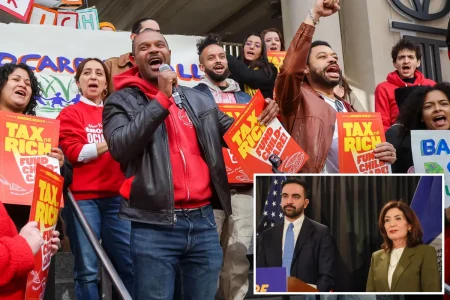
The Bail Project, an organization dedicated to providing “free bail assistance” to reunite families, has distributed over $91 million to help defendants secure release from jail while awaiting trial. While the organization proudly reports having assisted more than 35,000 individuals with a 92% court appearance rate, a troubling pattern has emerged in several high-profile cases. Some defendants freed through The Bail Project’s financial assistance have gone on to commit violent crimes—including murder—shortly after their release. These cases raise difficult questions about the balance between presumption of innocence, community safety, and the responsibilities of organizations that facilitate pretrial release.
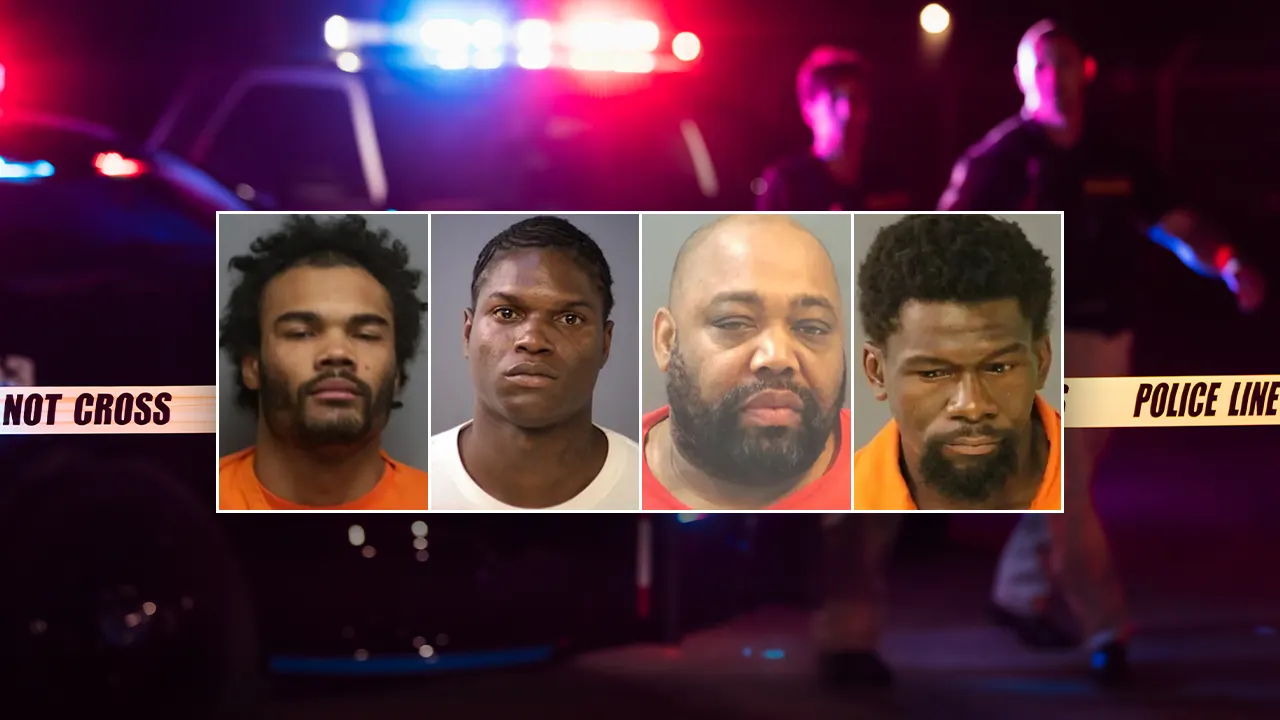
The most recent case involves Donnie Allen, who allegedly murdered 27-year-old Benjamin McComas at a Cleveland rail station in December 2023. Allen had been arrested just days earlier on charges including drug possession, breaking and entering, and vandalism at the same rail station. Initially held on $15,000 bond, a judge reduced it to $5,000, enabling The Bail Project to secure his release with a $500 payment. Most concerning, Allen’s family members revealed to Fox News that they had specifically warned The Bail Project against posting his bail, explaining that he had a pattern of reoffending and needed professional help or continued incarceration. These warnings went unheeded, and five days after his release, Allen allegedly committed murder. Allen’s extensive criminal history dating back to 2019 included burglary, assault on a peace officer, and resisting arrest—a history that his family felt made him a risk to release. While his attorney has argued the killing was “far from” an intentional homicide, a life was nonetheless lost in circumstances that might have been prevented.
Equally troubling is the case of Travis Lang, whose bail of $5,650 was partially covered by The Bail Project in January 2021 after his arrest on cocaine possession and other felony charges. Within ten months of his release, Lang shot and killed 24-year-old Dylan McGinnis, who was reportedly helping a friend during what turned into a fatal drug deal. McGinnis’ mother told Fox News Digital that her son was simply trying to protect a female friend when he was killed. Lang was subsequently convicted of murder in 2023. This case highlights how the repercussions of bail decisions extend beyond the defendant to innocent community members who may cross paths with those released before trial, sometimes with tragic consequences.
Perhaps the most disturbing example involves Samuel Lee Scott, arrested in St. Louis in April 2019 for hitting his wife, Marcia Johnson, and threatening to “finish what he started.” Despite this explicit threat and Scott’s previous convictions for assault and drug charges, The Bail Project posted his $5,000 bail. Mere hours after his release, Johnson was discovered by a friend with severe injuries—a broken eye socket, multiple broken ribs, and bruises covering her entire body. She died shortly after being hospitalized. Scott was convicted of first-degree murder in 2022 and sentenced to life without parole. When questioned about this tragedy, The Bail Project’s Executive Director Robin Steinberg defended the organization’s actions, stating that “no one could have predicted this tragedy” and noting that wealthy defendants or those using commercial bail bonds would have achieved the same pretrial release. This response, however, fails to address the specific threat Scott had made against his wife—a red flag that perhaps should have factored into the organization’s decision-making process.
Similar patterns emerge in the case of Marcus Garvin, whose $1,500 bond was paid by The Bail Project after a judge reduced it from $30,000 following charges that he had stabbed a customer at an Indianapolis convenience store. Despite being placed on GPS monitoring, Garvin went on to stab 30-year-old Christie Holt to death at a motel in July 2021, attempting to dismember her body before dumping it near the motel. Though he admitted to killing Holt and repeatedly apologized, he chillingly stated “she deserved it” while also claiming he still loved her but “had no other option.” After pleading guilty to murder, Garvin received a 45-year prison sentence. This case raises questions about whether indicators of violent tendencies in a defendant’s record should prompt greater caution from bail assistance organizations, particularly when the initial arrest involved a violent crime.
In response to these cases, The Bail Project maintains that such incidents are “extremely rare” among the tens of thousands they have assisted. They point to research suggesting that “serious or violent rearrests before trial are uncommon” regardless of how defendants are released—whether through a bondsman, personal recognizance, or charitable bail funds. While statistically this may be accurate, the devastating impact of these “rare” cases cannot be dismissed. Each represents not just a statistic but a human life cut short and families left grieving. The organization’s mission to address systemic issues of poverty, racism, and inequities in the pretrial system remains important, but these cases suggest a need for more nuanced risk assessment and perhaps greater responsiveness to warnings from family members and prior violent behavior. As communities continue to grapple with bail reform, these tragic outcomes highlight the complex challenge of balancing the presumption of innocence with public safety, and the profound responsibilities that come with intervening in the bail process.