




The Limbo of Conflict: How the Pendulum of US-Iran Geopolitics is Wearying Ordinary Citizens
The Whiplash of Modern Warfare and Diplomacy
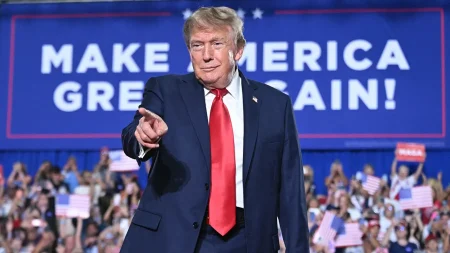
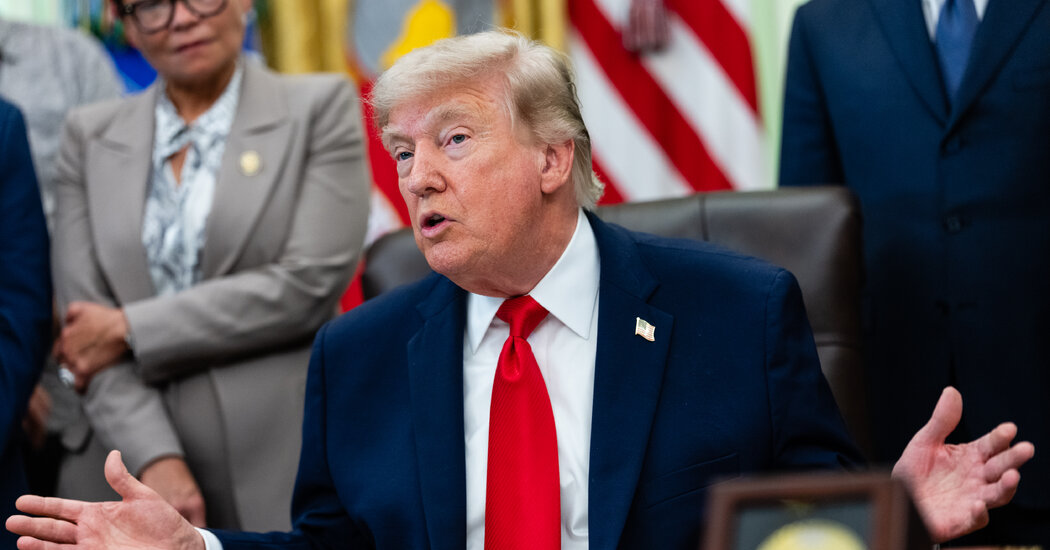
For days on end, the people of Iran have engaged in a grueling nightly ritual, going to sleep to the reverberating echoes of distant explosions only to awaken to headline notifications proclaiming that another fragile diplomatic breakthrough is quietly underway. This unsettling cycle of conflict has reached a fever pitch, trapping over eighty million people in a continuous, high-stakes game of geopolitical chicken where the rules of engagement change by the hour. On a recent Thursday, this volatile pendulum swung with dizzying speed, exposing the profound unpredictability that defines modern Middle Eastern geopolitics. Within a mere handful of hours, Donald Trump issued a fierce warning to strike Iran “VERY HARD” and seize control of Kharg Island—the strategic lifeline of the country’s crude oil exports—only to abruptly withdraw his military orders, claiming that rapid progress on a comprehensive peace agreement had suddenly been made in secret backchannels. This rapid-fire posturing was met with swift counter-threats from Tehran’s armed command, which warned of catastrophic retaliatory strikes against sensitive regional energy infrastructure across the Persian Gulf should Western forces cross their red lines. For the average observer, this may look like standard brinkmanship, but for those living under the direct flight paths of fighter jets and surveillance drones, this erratic pattern of behavior is an exhausting sensory bombardment that turns daily existence into an agonizing exercise in survival.
              THE PENDULUM OF TENSION
                       |
        +--------------+--------------+
        |                             |
Nighttime Strikes             Daytime Diplomacy
(Explosions, Threats, (Secret Negotiations,
Empty Highways) Sanctions, Hope)
/
/
v v
[ PSYCHOLOGICAL & ECONOMIC LIMBO ]
The Human Cost of Geopolitical Volatility
Directly beneath this grand theater of international diplomacy lies a deeply human crisis of cumulative exhaustion, anxiety, and profound fatigue. For ordinary citizens residing in metropolitan centers like Tehran, this constant vacillation between paralyzing terror and brief moments of relief has exacted a devastating psychological toll that cannot be captured in military press briefs or state-sponsored broadcasts. In candid phone interviews and encrypted text exchanges, everyday Iranians expressed a deep weariness with the current situation, with many admitting they would prefer any definitive resolution—even open conflict—to the slow torture of indefinite waiting. “They go to war at night, they stop the war by morning, the entire situation has become completely ridiculous,” remarked Vahid, a thirty-seven-year-old Tehran resident who spoke on the condition of anonymity to avoid reprisal from domestic security services. “Either fight or don’t fight; we are simply fed up with living our lives in mid-air.” This profound sense of alienation and doom prompted a massive exodus from the capital on Thursday, with thousands of families packing whatever possessions they could carry and fleeing northward toward the forested coasts of the Caspian Sea. According to local traffic authorities, the three primary mountain highways heading out of Tehran were congested with bumper-to-bumper traffic, reflecting a civilian population that is running out of options and patience.
Infrastructure Under Siege and the Fear of Domestic Collapse
                 CIVILIAN LIFE IN FLUX
                           |
    +----------------------+----------------------+
    |                                             |
Exodus to the North Economic Paralysis
(Chalus & Haraz Highways (Fluctuating Currency,
clogged with traffic) businesses frozen)
The mass migration out of the cities is driven by a deep fear of what a modern, high-tech air campaign could do to the delicate network of civilian infrastructure that keeps urban centers habitable. These fears are not unfounded; recent strikes in the southern provinces have targeted and destroyed essential facilities, including a key installation that independent open-source intelligence analysts identified as a critical regional drinking water plant. For middle-class professionals like Reza, a forty-eight-year-old corporate manager, the risk of being caught in an urban center without access to running water, electricity, or basic heating has made temporary displacement the only logical choice. After consulting with his wife, Reza chose to suspend his business activities and embark on a sudden journey to the north, hoping to shield his family from the immediate fallout of the next inevitable escalation. “Our professional lives are completely paralyzed because the domestic currency is fluctuating wildly by the hour, and businesses cannot price raw materials or honor basic commercial contracts,” Reza explained, his voice heavy with resignation. “It feels as though our collective lives have been placed in a state of permanent suspension, with the basic mechanisms of daily existence held hostage by decision-makers who do not have to live with the consequences of their actions.”
The Economic Strangulation of the Naval Blockade
While the immediate threat of airstrikes keeps populations in a state of high alert, the ongoing naval blockade enforced by Western alliance forces represents a quieter, more systemic form of warfare that is slowly grinding the domestic economy to a halt. In his public statements announcing the cancellation of the latest round of retaliatory airstrikes, Trump made it clear that the suffocating maritime embargo on Iran’s major shipping terminals would “remain in full force and effect” until Tehran capitulated to a highly restrictive, new defense framework. For ordinary families, this economic blockade is just as damaging as aerial bombardment, as it slowly chokes off access to essential goods, international banking systems, and vital medical supplies. Mahasti, a sixty-five-year-old healthcare administrator in Tehran, emphasized that the lack of open military engagement does not mean the civilian population is safe from harm. “The slow destruction of our quality of life through comprehensive economic sanctions and deep naval blockades is just as painful as any physical bomb,” she noted, highlighting the severe shortages of specialized medical treatments and basic consumer goods across the country. “Our lives are becoming exponentially more difficult with each passing cycle of diplomatic maneuvering; if it is not the threat of imminent war, it is the quiet violence of economic isolation.”
             ECONOMIC SANCTIONS & BLOCKADES
                           |
    +----------------------+----------------------+
    |                                             |
Shortages of Meds Hyperinflation
(Crucial health supplies (Iranians’ purchasing
held up at ports) power decimated)
The Sociological Anatomy of “Suspense and Dread”
This ongoing crisis has fundamentally altered the social and psychological landscape of the country, giving rise to what social scientists call a state of chronic societal suspension. On various social media networks, independent intellectuals, sociologists, and ordinary writers have begun documenting the collective trauma of a society that has spent decades navigating the volatile waters of international isolation and proxy warfare. Iman Vaghefi, an influential sociologist based in Tehran, shared an widely shared status update detailing the heavy mental toll of living in a state of suspended animation for over half a year, describing the persistent feelings of terror and dread that accompany every sudden noise in the night. This pervasive atmosphere of fear has eroded social trust, stifled cultural life, and forced an entire generation of young, educated professionals to view their futures through the limiting lens of basic survival. The state-run media, which swings between defiant nationalistic rhetoric and carefully edited accounts of international negotiations, does little to ease this anxiety, leaving citizens to rely on VPNs and foreign broadcasts to make sense of the very real threats mounting just beyond their borders.
                       SOCIETAL INERTIA
                              |
          +-------------------+-------------------+
          |                                       |
Collective Trauma                       Emigration Pressures
(Vaghefi: “Suspense & Dread”) (Young professionals seeking
foreign exit)
Political Gridlock and the Elusive Search for Resolution
At the highest levels of governance, the leadership is finding it increasingly difficult to balance domestic political survival with the need to project strength on the international stage. In a recent speech commemorating the country’s former spiritual leadership, President Masoud Pezeshkian acknowledged that the current state of perpetual tension is unsustainable, noting that maintaining a “no war, no peace” status quo is deeply damaging to the nation’s long-term stability and economic health. Yet, even as reformist factions within the government argue for compromise to lift the crippling sanctions regime, the powerful security apparatus remains highly skeptical of Western diplomatic overtures, warning that any capitulation under pressure would only invite further aggression. This domestic gridlock is compounded by confusing signals from Washington, where triumphant claims of an imminent European peace deal clash with cautious statements from Tehran’s Foreign Ministry, which maintains that no final agreement has been reached. Until a genuine, reliable framework for diplomatic engagement is established, the ordinary citizens of Iran will remain caught in this volatile cycle—longing for a permanent peace, yet always preparing for the sudden arrival of war.