


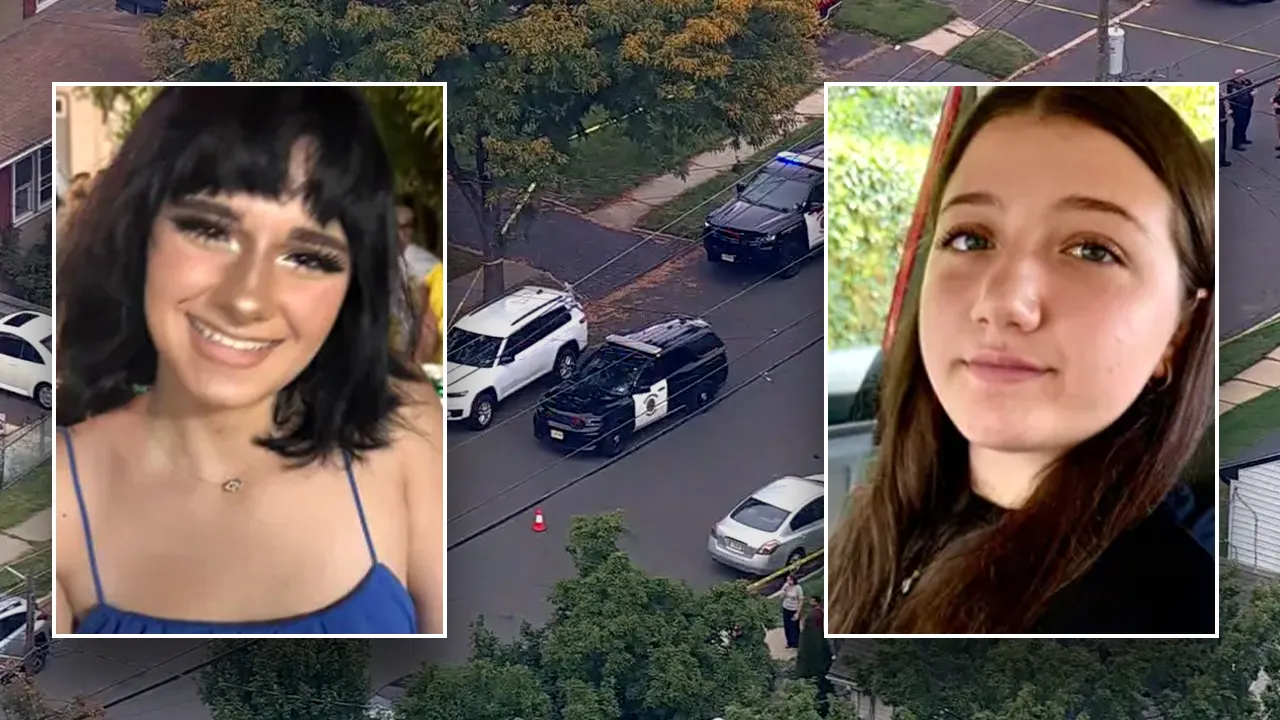
On a late-September evening in the quiet suburban town of Cranford, New Jersey, the vibrant lives of two seventeen-year-old girls were violently cut short in a tragedy that has left an entire community reeling from grief. Isabella Salas and Maria Niotis were doing what any teenagers might do on a crisp autumn afternoon—navigating the gentle streets on an electric bicycle, enjoying each other’s company, and basking in the simple, promising dawn of their young adulthood. But at approximately 5:26 p.m., that innocence was shattered. A speeding black Jeep Compass tore through the neighborhood, striking the girls with a devastating impact that instantly transformed a quiet street into a harrowing scene of chaos. The collision robbed two families of their beloved daughters, halting their dreams and aspirations in a single, senseless moment, and leaving those who loved them to grapple with an agonizing, empty silence.
The frantic aftermath of the crash was captured in a series of desperate 911 calls, painting a raw and petrifying picture of the immediate panic that gripped witnesses on the scene. Terrified onlookers described a vehicle flying down the road and slamming into the teenagers, leaving one girl pinned beneath a car while the driver allegedly fled the area. “This is really bad,” one caller wept to dispatchers, while another voice, trembling with disbelief, cried out that nobody was conscious and everyone on the street stood frozen in shock. First responders rushed both Isabella and Maria to local hospitals, but the gravity of their injuries proved too severe, and both girls were pronounced dead shortly after arrival. The suddenness of the loss sent shockwaves far beyond Cranford, turning a heartbreaking local incident into a grim reminder of how quickly life can be stolen by reckless disregard.
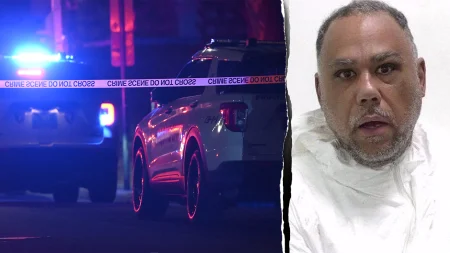
For months, the identity of the teenage driver responsible for the carnage remained hidden from the public, shielded by juvenile privacy laws because he was only seventeen at the time of the crash. However, a significant legal shift occurred when the Union County Prosecutor’s Office announced that the suspect, now eighteen-year-old Vincent Battiloro of Garwood, would be waived up to adult court to face two counts of first-degree murder alongside multiple traffic offenses. This transition to the Criminal Part of the Superior Court in Union County finally allowed authorities to release his name, stripping away the anonymity that had frustrated the victims’ families. Public records and police reports previously revealed that in the immediate wake of the hit-and-run, Battiloro had actually been released to his father after his initial detention, raising intense public scrutiny and anger over why a suspect in such a catastrophic event was not kept in custody from the very beginning.
The pain of this tragedy is further compounded by chilling allegations from Maria Niotis’ mother, Foulla Niotis, who believes that the fatal crash was not a random accident, but a premeditated act. In heartbreaking statements, Foulla shared her conviction that Battiloro had been stalking her daughter prior to the crash, creating a climate of fear that the family had active grievances about. Even more devastatingly, she alleged that local law enforcement failed to act on the family’s warnings and pleas for help before the tragedy occurred. “They should have done a lot. They didn’t do anything,” she lamented, expressing the profound betrayal a parent feels when the institutions designed to protect the vulnerable fail to intervene before it is too late. For Foulla, the loss of her child is an open wound aggravated by the haunting belief that this unimaginable disaster could have been prevented.
Adding another layer of distress to the unfolding legal battle are allegations of systemic bias and protected status. Foulla Niotis publicly expressed her belief that the suspect felt “untouchable” because he allegedly has relatives working within law enforcement, suggesting this connection may have influenced the initial handling of the case and his brief release to his father before his formal arrest on October 1. While the prosecutor’s office has moved forward with first-degree murder charges, the perception of favoritism has cast a long, cynical shadow over the community’s faith in local justice. By waiving Battiloro to adult court, prosecutors have signaled that the gravity of taking two young lives demands the highest level of accountability, irrespective of any perceived influence, though the battle to restore faith in the system remains an uphill climb for the grieving families.
As the legal proceedings transition into the adult court system, the memory of Isabella Salas and Maria Niotis remains a powerful rallying cry for justice and reform. The community of Cranford, forever altered by the events of that September evening, watches closely as a grieving mother demands accountability for her daughter and her daughter’s best friend. No courtroom verdict or prison sentence can ever restore the laughter, the milestones, or the futures stolen from Isabella and Maria, but their families and friends refuse to let their names be forgotten or reduced to mere statistics. Their focus now rests entirely on ensuring that the full truth is laid bare in a court of law, holding those responsible accountable, and finding some semblance of peace in a world that has been permanently darkened by their absence.