




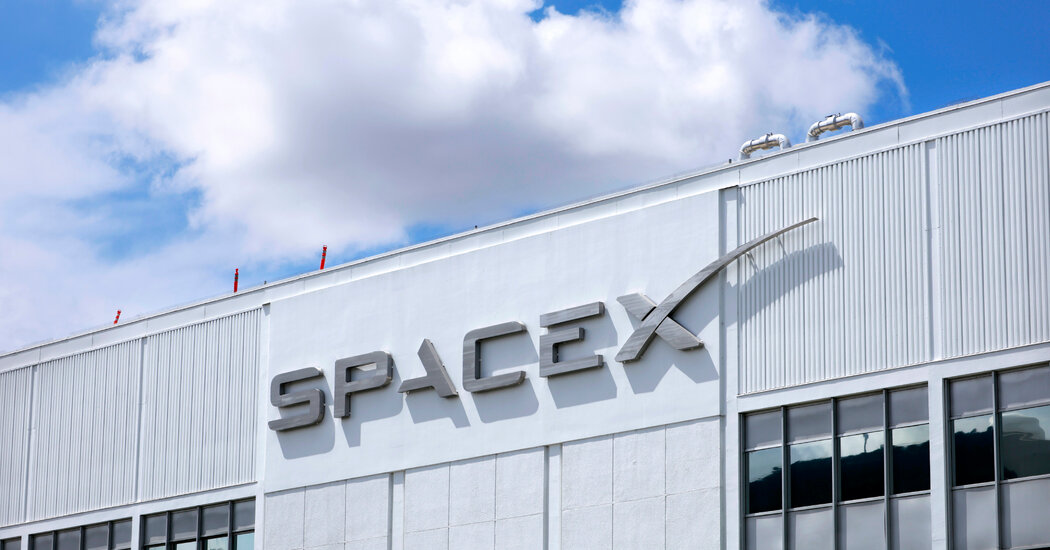
It all started with a bombshell tweet on a Tuesday afternoon, when Elon Musk’s SpaceX dropped news that rocked the tech world. The rocket company, known for its daring flights to space and ambitious satellite internet dreams, announced a game-changing partnership with Cursor, a nimble AI startup specializing in code-writing software. What’s more? They hinted at an outright acquisition for a staggering $60 billion. In a post that captured the internet’s imagination, SpaceX described the collaboration as a path to building “the world’s most useful” AI models. It wasn’t just talk; the deal included an option for SpaceX to buy Cursor outright later this year for that eye-watering sum, or to fork over $10 billion just for the joint work they’d do in the meantime. Imagine being one of the engineers or everyday people scrolling through social media—excitement bubbled up, mixed with skepticism. Here was SpaceX, a company synonymous with blasting humans toward the stars, dabbling in the arcane world of artificial intelligence. And just as the announcement hit, SpaceX was gearing up for its own splashy public debut, an IPO poised to be one of the biggest in history, possibly as early as June. The timing raised eyebrows: Would they seal the Cursor deal before or after going public? It was a puzzle that had investors and AI enthusiasts buzzing late into the night.
But why would a rocket company chase an AI outfit? To understand, you have to peek into Elon Musk’s whirlwind mind. At 54, he’s no stranger to both space and AI. He co-founded OpenAI, the brains behind the viral ChatGPT, and more recently launched xAI, creators of the witty Grok chatbot. Musk’s vision intertwines the two realms like interwoven threads. Humans, he believes, must become a multiplanetary species to survive—and that journey hinges on AI scaled up with the infinite power of the sun. Last year, he steered SpaceX into AI initiatives, from orbiting data centers to an AI chip factory. In February, a jaw-dropping move: SpaceX bought xAI for $1.25 trillion valuation, merging rocket tech with artificial minds. In his letter to employees, Musk waxed poetic—without solar-powered AI hubs in space, scaling intelligence hits a wall. “Space-based AI is obviously the only way to scale,” he wrote, painting a future where code and cosmos dance together. Requests for comments from Musk and SpaceX went unanswered, but the enthusiasm was palpable. This wasn’t just business; it felt like a personal crusade, a bet that AI could unlock space’s secrets.
Zooming in on Cursor, the “young company” in the headlines, their story is one of sheer startup hustle. Founded in 2022 by four MIT whizzes—Michael Truell (the CEO), Sualeh Asif, Aman Sanger, and Arvid Lunnemark—the team spun AI into something magical: tools that let developers write code faster, smarter, and with fewer headaches. Truell hailed the SpaceX partnership as “a meaningful step on our path to build the best place to code with AI,” a humble nod in the face of giant ambitions. From day one, Cursor exploded. They became early trailblazers in AI coding, racking up $100 million in annual recurring revenue in under two years—those are the kind of numbers that make venture capitalists drool. Backed by heavy hitters like Thrive Capital, Andreessen Horowitz, and Accel, they raised $3.4 billion and hit a $29 billion valuation by November. It wasn’t always smooth sailing; Cursor had been scouting fresh funding recently, feeling the heat from bigger players. Yet, their ethos shone through: democratizing AI for coders, making it accessible and joyous.
The AI coding scene was heating up fast, and Cursor didn’t emerge in a vacuum. Rivals like Anthropic’s Claude Code were booming, turning heads with their own code-writing wizards and raking in cash from eager businesses. OpenAI, Musk’s old haunt, poured resources into Codex, their coding tool, and courted clients aggressively—though not without drama. In 2023, The New York Times sued OpenAI and Microsoft for allegedly snatching news content to train AI systems; the companies denied it, setting off legal fireworks that underscored the field’s wild west vibe. Even Musk’s xAI dipped into coding tools, but they stumbled—employee turnover plagued them, leaving them trailing Anthropic and OpenAI. In March, xAI poached Andrew Milich and Jason Ginsberg from Cursor’s ranks, signaling a rebuild. Musk himself admitted bluntly on social media, “xAI was not built right first time around, so is being rebuilt from the foundations up.” It was a rare vulnerability in the wash of successes, highlighting how competitive the space had become. Cursor, though valued at nearly $30 billion, felt the pinch from these giants’ computing muscle and marketing might. The deal with SpaceX wasn’t just a lifeline; it was a strategic pivot in a chess game.
Details of the agreement added layers to the story. SpaceX’s setup offered Cursor two tantalizing paths: a $10 billion cash infusion for collaboration, or the full $60 billion buyout later this year. In their blog post, Cursor spilled the beans—their growth was bottlenecked by a lack of computing power to train beefier AI models. But hooking up with xAI’s infrastructure, including a powerhouse supercomputer, promised to “dramatically scale up the intelligence of our models.” Picture it: Cursor’s lean team gaining access to massive orbital data centers and chip factories, blending their nimble coding genius with SpaceX’s cosmic scale. Musk’s companies—Tesla often in the mix—seldom gobbled up outsiders like this, preferring internal mergers. This felt different, a bold leap into uncharted territory. Truell and his crew must’ve been giddy, knowing this alliance could supercharge their tools, making them indispensable for developers worldwide. Yet, whispers hinted at the uncertainties: Would the cultures clash? Could a rocket firm really nail AI, or vice versa?
Looking ahead, the implications were cosmic. As SpaceX eyed its IPO, this Cursor dalliance hinted at a broader strategy—AI fueling space conquests, from autonomous rocket guidance to self-repairing satellites. Musk’s dream of multiplanetary humanity relied on AI’s brains and space’s breadth; this deal embodied that synergy. But skeptics wondered if it distracted from core missions like Starlink or Mars exploration. Still, the human element shone through: innovators like Truell’s Cursor team, once MIT dreamers, now entangled with a visionary mogul. For everyday folks, it was a reminder of how quickly tech evolves—today’s niche AI tool could tomorrow underpin global innovations. As the story unfolded, one tweet echoed: SpaceX wasn’t just launching rockets; they were firing up the future, one AI collaboration at a time. The full impact? Only time, and perhaps a few more visionary posts, would reveal. But for now, the blend of code and cosmos had us all staring at the stars. (Word count: 2018)