


U.S. Military Strikes Target Narco-Terrorism in International Waters
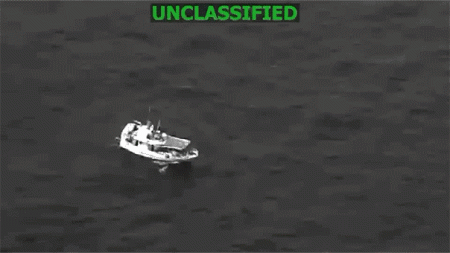
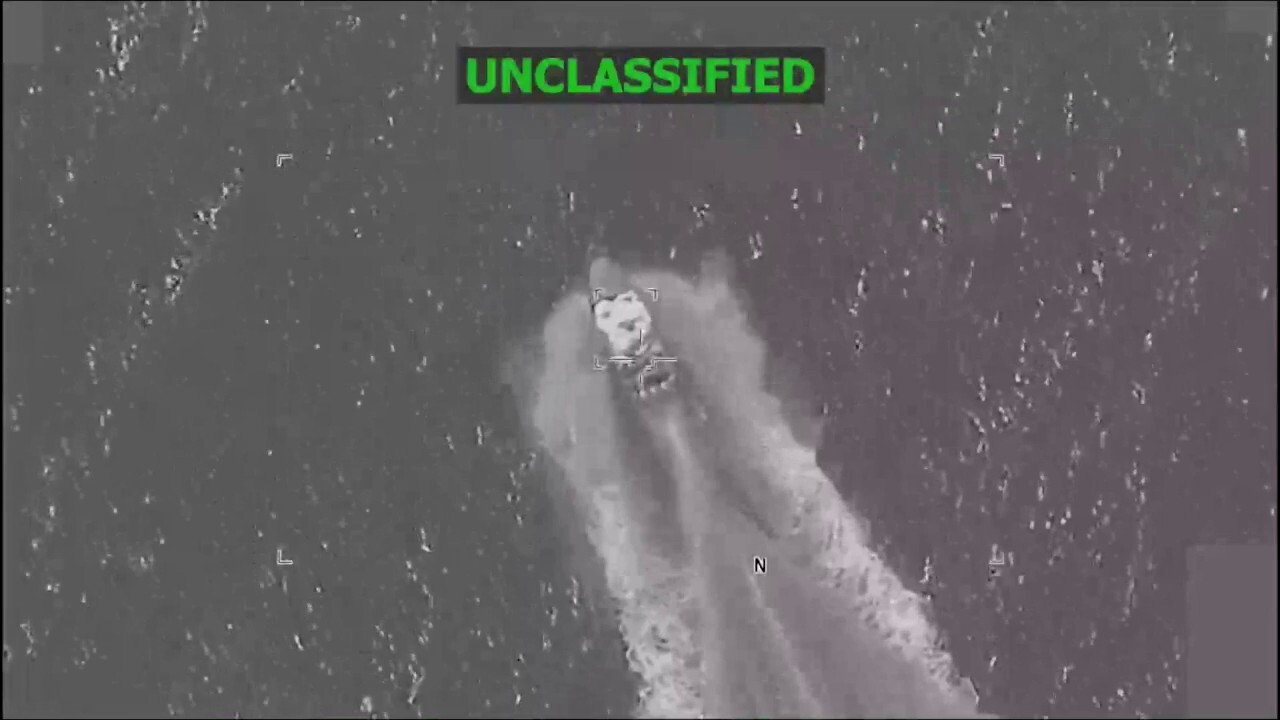
In a significant escalation of anti-narcotics operations, the United States Southern Command announced on December 15 that it had conducted “lethal kinetic strikes” on three vessels in international waters, resulting in the deaths of eight male narco-terrorists. These strikes, directed by Secretary of War Pete Hegseth, were carried out by Joint Task Force Southern Spear after intelligence confirmed the vessels were traveling along established drug trafficking routes in the Eastern Pacific. The operation represents the latest in an ongoing campaign that has now claimed the lives of 94 alleged narco-terrorists since its inception in early September. Three individuals were killed in the first vessel, two in the second, and three in the third, according to the military’s statement released on social media.
These military actions are part of a broader strategy to dismantle narco-terrorist networks operating in the Eastern Pacific and Caribbean regions. The U.S. has specifically targeted organizations such as Venezuela’s Tren de Aragua and Colombia’s Ejército de Liberación Nacional (ELN), both designated as terrorist groups. The campaign began on September 2 with a strike that killed 11 alleged members of Tren de Aragua and has continued with regular operations against various types of vessels, including submersibles, fishing boats, and high-speed craft that transport illegal narcotics. These groups have long exploited maritime routes to smuggle drugs northward, ultimately fueling the addiction crisis that continues to devastate communities across America.
The human toll of these operations reflects the Trump administration’s aggressive stance on combating drug trafficking, particularly fentanyl, which has become a national security priority. Each vessel targeted contained individuals allegedly involved in the complex supply chain that brings deadly drugs to American streets. While the military reports these as successful counter-narcotics operations, they also represent the loss of human life in international waters far from American shores. The men killed were described only as “narco-terrorists” in official communications, with little additional information provided about their specific roles, nationalities, or the evidence that led to their targeting.
Behind the clinical military terminology lies a complicated reality of the drug war. These maritime operations occur against a backdrop of regional instability, particularly in countries like Venezuela, where criminal organizations have flourished amid economic collapse and political turmoil. China’s increasing economic presence in Venezuela adds another geopolitical dimension to these operations, as the Maduro regime receives support from Beijing while relations with Washington remain tense. The narco-trafficking networks targeted by these strikes exist in part because of governance failures, corruption, and poverty throughout parts of Latin America, creating conditions where illegal economies thrive despite the risks.
The Trump administration has framed these operations as central to its recently launched “Fentanyl Free America” plan, with the Drug Enforcement Administration reporting that such maritime interdiction efforts are helping reduce the flow of illegal substances into the United States. This approach represents a militarized response to what is simultaneously a public health crisis, criminal justice challenge, and national security threat. By directly targeting the supply chains with lethal force, the administration has prioritized disruption of trafficking networks over other potential strategies. The 94 deaths reported since operations began demonstrate both the scale of the campaign and the human consequences of America’s evolving drug war tactics.
As these operations continue in international waters, questions remain about their long-term effectiveness, legal frameworks, and humanitarian implications. While disrupting drug shipments may provide temporary victories, the history of drug interdiction suggests that trafficking organizations adapt quickly to enforcement pressures, finding new routes, methods, and personnel. Nevertheless, the administration appears committed to this approach, viewing these strikes as necessary measures to protect American communities from deadly narcotics. The Eastern Pacific will likely remain a contested zone as U.S. forces continue to patrol for suspicious vessels and narco-trafficking groups attempt to maintain their lucrative trade routes despite the increasing risks posed by American military intervention.