



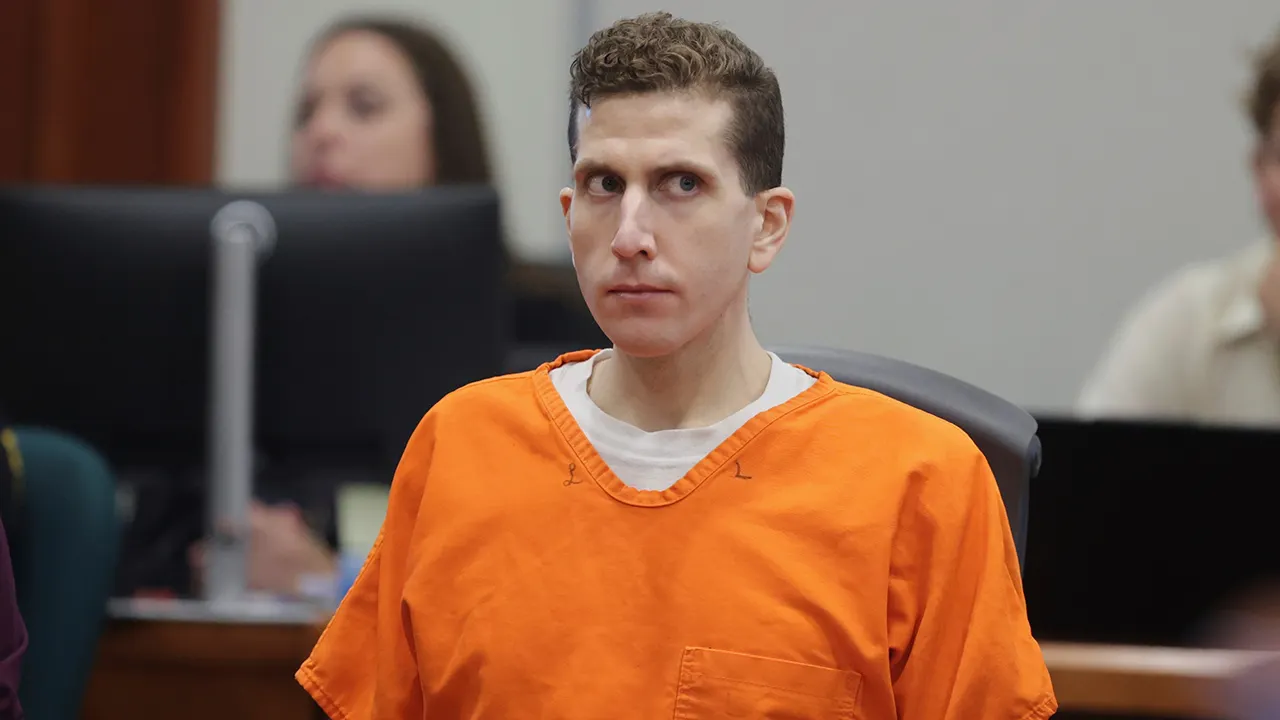
Sister of Idaho Killer Reveals Chilling Conversations and Family Struggles
In a heart-wrenching revelation that underscores the profound disconnect between appearance and reality, Bryan Kohberger’s younger sister Mel has shared how she unwittingly warned her own brother about a “psycho killer” on the loose—not realizing she was speaking to the very person who would later plead guilty to the brutal murders of four University of Idaho students. Speaking with The New York Times, Mel recounted their conversation following the November 13, 2022 killings of Ethan Chapin, Madison Mogen, Xana Kernodle, and Kaylee Goncalves, where she expressed concern for his safety during his late-night jogs with doors unlocked. “Bryan, you are running outside and this psycho killer is on the loose,” she remembers warning him. “Be careful.” Her brother calmly thanked her for checking in, assuring her he would remain safe—a moment that now haunts her with its disturbing layers of deception.
Behind the shocking confession lies a troubled history that Mel candidly revealed in her interview. Bryan’s adolescence was marked by severe bullying, addiction, and personal struggles that left lasting scars. As a teenager, Bryan described himself in online posts as “an organic sack of meat with no self-worth,” claiming he felt little emotion or remorse. His heroin addiction reached such depths that he once stole his sister’s phone to sell it at a mall, desperate for drug money. The family feared they might lose him to an early death—a fate that had already claimed one of his friends. “We were all so proud of him because he had overcome so much,” Mel explained, describing how Bryan had sought treatment and appeared to be rebuilding his life, though he remained socially awkward and sometimes abrasive in his interactions.
The disconnect between the brother Mel thought she knew and the killer he became represents the most devastating aspect of her experience. Despite his social awkwardness, she never perceived him as violent or dangerous. Even as Bryan stayed at their parents’ Pennsylvania home in the days before his arrest, the murders came up only once in conversation, with Bryan simply noting that investigators were still searching for a suspect—a chilling moment of calculated deception from someone sharing their family home. When the FBI finally arrested Bryan on December 30, 2022, Mel’s world imploded. She recalls the surreal phone call from her older sister Amanda: “She was like, ‘I’m with the FBI, Bryan’s been arrested.’ I was like, ‘For what?’ ‘The Idaho murders,'” Amanda responded. The news was so unbelievable that Mel initially suspected a cruel prank, before the horrific reality set in, leaving her physically ill.
The fallout from Bryan’s crimes has devastated not just the victims’ families but also his own, whose lives have been permanently altered by association. Mel, who had been training to begin a new career as a mental health counselor in New Jersey, was forced to abandon her professional aspirations when her new employer became overwhelmed with inquiries following her brother’s arrest. Her dreams and identity became collateral damage in the wake of Bryan’s horrific actions. The family has endured not only the shock of learning that their son and brother was capable of such violence, but also public scrutiny and speculation about their potential knowledge or involvement—accusations that Mel vehemently rejects.
What emerges from Mel’s account is the portrait of a family that believed they had weathered their son’s troubled adolescence, only to be blindsided by revelations of unimaginable violence. The psychological journey from pride in Bryan’s apparent recovery to horror at his true nature represents a particularly cruel twist of fate for parents and siblings who thought they had supported a loved one through his darkest days. Their story highlights the limitations of even those closest to us in truly knowing what someone is capable of, as Bryan apparently maintained a façade of normalcy while harboring the capacity for extreme violence. The juxtaposition between the brother who thanked Mel for her concern about his safety and the man who methodically took four young lives creates a cognitive dissonance that his family continues to struggle with.
Mel’s most emotional response came when addressing online speculation that the family might have known about Bryan’s crimes. “I have always been a person who has spoken up for what was right,” she insisted. “If I ever had a reason to believe my brother did anything, I would have turned him in.” Her defense speaks to the secondary trauma experienced by killers’ families, who often face suspicion, harassment, and blame for actions they neither committed nor condoned. As both the families of the victims and the perpetrator attempt to process this tragedy, Mel’s testimony offers a rare glimpse into the collateral damage that extends beyond the immediate victims of violent crime—the shattered trust, abandoned dreams, and lingering questions that may never find satisfactory answers. Her story serves as a haunting reminder that in the wake of senseless violence, grief and confusion ripple outward in countless directions, leaving no one connected to the events untouched by their devastating consequences.