


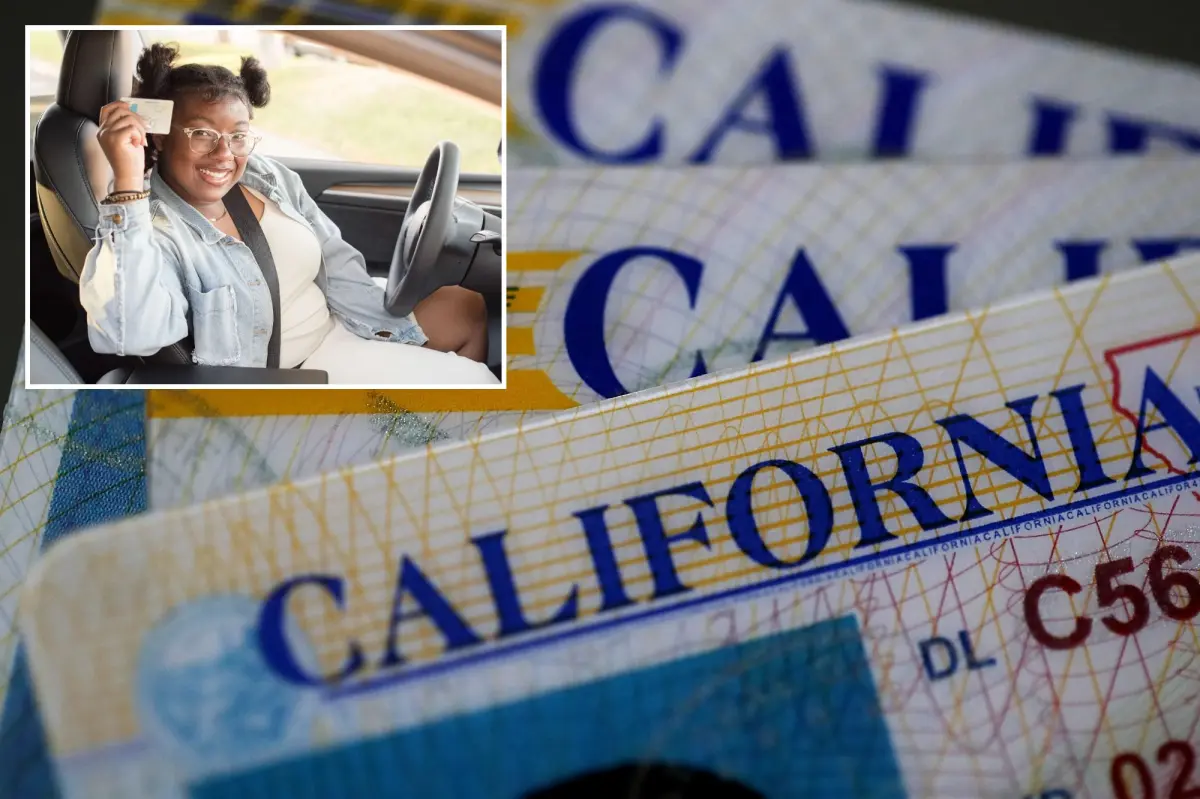
The sudden threat of losing a driver’s license has plunged over 11,000 Californians into a state of anxious confusion, but the mystery behind the state’s abrupt demands has finally been unraveled. For weeks, affected drivers were left completely in the dark after receiving alarming notices from the California Department of Motor Vehicles (DMV). These notices warned that their recently passed written exams were invalid due to vague “irregularities” and gave them a strict 30-day deadline to retake the test or face immediate suspension. After maintaining a tight-lipped silence that frustrated both the public and state lawmakers, the DMV has finally admitted that the heavy-handed state response was triggered by suspected widespread cheating on the written exam.
According to agency officials, the chaos began after an internal audit uncovered highly suspicious patterns in written test results completed between July 2025 and April 2026. The DMV’s review suggested that thousands of applicants had potentially bypassed standard testing protocols using a variety of sophisticated cheating methods. While this revelation explains the sudden crackdown, DMV authorities have remained frustratingly vague about the mechanics of the deception. Despite intense pressure from state legislators seeking clarity on the scope of the fraud, the agency has refused to disclose how the cheating occurred or whether organized rings, external actors, or digital loopholes were involved. Instead, the DMV has quietly referred several of the most egregious cases to county district attorneys for potential criminal prosecution, signaling that they view the breach as a serious threat.
To manage the fallout and protect its reputation, the DMV has attempted to walk a fine line between public safety and public relations. Department spokesman Jonathan Groveman emphasized that receiving a warning letter does not serve as an official accusation of guilt. Rather, he explained that the targeted drivers had their results flagged merely because their testing patterns appeared “potentially problematic.” Groveman defended the department’s aggressive stance by arguing that maintaining the strict integrity of the licensing process is fundamentally a matter of public safety. In the state’s view, allowing potentially unlicensed or uneducated drivers onto California’s notoriously busy freeways poses an unacceptable risk, making it imperative to verify that every driver truly understands the rules of the road.
Yet, this bureaucratic quest for safety has created a logistical nightmare for thousands of everyday Californians, many of whom insist they did absolutely nothing wrong. For those caught up in the dragnet, the burden of proof has been unfairly reversed. The DMV’s official directive is uncompromising: show up, prove your knowledge by passing the exam a second time, or surrender your driving privileges. For countless residents who rely on their cars for work, family duties, and daily survival, the threat of losing their license over an unexplained bureaucratic glitch has caused immense stress, particularly since many had already studied for and passed the exam in good faith.
Compounding this anxiety is the frustratingly rigid process required to resolve the issue. The DMV has barred affected drivers from simply walking into a local branch or taking the test online to clear their names. Instead, the thousands of flagged motorists must navigate the state’s notoriously slow scheduling system to secure a formal, in-person appointment. Furthermore, they are required to bring the original physical warning letter to their appointment, creating an extra hurdle for anyone who might have misplaced the mail in frustration or confusion. This lack of flexibility has turned what should be a simple verification process into a time-consuming ordeal.
As the 30-day deadlines loom, the situation remains a stark reminder of how quickly bureaucratic suspicion can disrupt the lives of ordinary citizens. While the state’s desire to root out systemic cheating and keep roads safe is understandable, its execution has left a trail of anger and confusion. For the 11,000 Californians caught in the middle of this scandal, the coming weeks will be a stressful race against the clock to schedule appointments, retake exams, and protect their livelihood from a automated system that assumed their guilt before proving it.