




The Shocking Arrest of a Rising Star
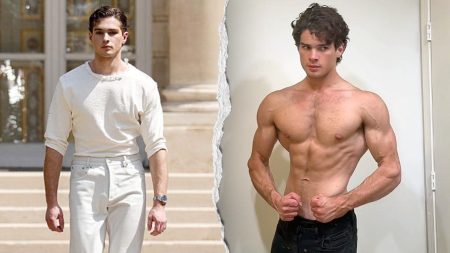
Imagine waking up one ordinary Thursday to news that flips your world upside down—a young singer you admired, whose music once soothed your late-night anxieties, is now handcuffed and charged with murder. That’s the reality that hit David Burke, better known by his stage name D4vd, on what was supposed to be just another day in Los Angeles. At 21 years old, this Houston-born artist had built a following among Gen Z fans with his dreamy blend of indie rock, R&B, and lo-fi pop. Songs like “Romantic Homicide” had catapulted him onto TikTok and Billboard charts, earning him spots on festival stages and even eye-catching roles in media like McDonald’s ads. But one photo opportunity gone wrong—a simple outing to a McDonald’s drive-thru that detectives would later scrutinize—now painted him as the prime suspect in the brutal killing of 14-year-old Celeste Rivas Hernandez. Her body, discovered in a gruesome state inside the trunk of his abandoned Tesla in the Hollywood Hills, had been there since September 2025, decomposed and hidden in a way that spoke to calculated horror. As detectives from the LAPD’s Robbery-Homicide Division slapped cuffs on Burke and held him without bail, the public’s image of this once-innocuous pop phenom shattered. Was this the same guy who sang about heartbreak and longing, whose lyrics evoked teenage vulnerability? For many fans, it felt like a betrayal, a rude awakening from the illusion of fame. Burke grew up in a close-knit family in Texas, the youngest of three kids, and his rise to fame seemed almost too good to be true—starting with viral TikTok videos and evolving into a deal with heavy-hitters like Darkroom and Interscope Records. Albums like Petals to Thorns and The Lost Petals in 2023 showcased his talent for weaving melancholic stories into catchy rhythms, resonating with a generation grappling with mental health and fleeting love. But beneath the stardom lurked hints of trouble; fans had long speculated about his personal life, including a rumored romantic entanglement with Hernandez that surfaced online after her disappearance. Social media, that double-edged sword, amplified both his music and now his alleged crimes, turning a talented young man into a cautionary tale overnight. For Burke’s loved ones—his mother, father, and brother, whose testimonies were subpoenaed by prosecutors—the arrest must have been a nightmare come true. Imagine the family dinners interrupted by lawyers, the once-proud parent calls now laced with shame. Burke’s parents, like many immigrant families chasing the American dream, had encouraged his musical pursuits, only to watch as his world unraveled in headlines. And for Hernandez’s family, this was the bitter resolution to a year-and-a-half nightmare of uncertainty, where a vibrant seventh-grader vanished without a trace. Celeste’s life, though tragically short, was filled with promise—she loved school, had friends, and мечтала about a future far from the shadows that ultimately claimed her. Her disappearance in 2024 as a 13-year-old from Lake Elsinore, just 70 miles from Los Angeles, sparked frantic searches, but the clues led right to a celebrity’s doorstep. Now, with Burke behind bars, questions lingered: What drew a famous singer to a teenage girl, and how did things escalate to murder? Psychologists might point to the fragility of fame, where adoring fans blur into dangerous obsessions, but for real people affected, it’s a loss that reverberates through communities, reminding us that stars are human too—fallible, perhaps even monstrous.
The Horrific Discovery and Ongoing Investigation
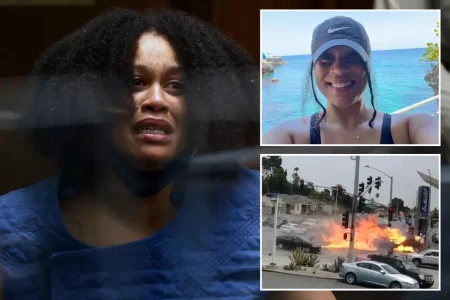
Picture this: A tow yard in the bustling heart of Los Angeles, where mechanics stumble upon a 2023 Tesla Model Y abandoned in the Hollywood Hills, ripe with an unbearable stench. It’s September 2025, and as they unzip a cadaver bag teeming with insects, the horror unfolds—a decomposed body, severed limbs stashed in another bag like some macabre puzzle. Celeste Rivas Hernandez, just days shy of her 15th birthday, lay there, her young life extinguished in a way that defies comprehension. Detectives from the LA County Medical Examiner’s Office, seasoned pros who’ve seen their fair share of tragedies, pieced together the gruesome scene: the trunk’s front compartment as a makeshift grave, the dismembered parts hinting at deliberate effort to conceal the crime. For the investigators, this wasn’t just another case; it was a window into celebrity excess. Burke, the 21-year-old singer, had been touring the U.S. at the time, crooning love songs to sold-out crowds while this secret festered in his vehicle. Why hadn’t he reported the missing car sooner? The abandoned Tesla, registered to him, became a key piece of evidence, leading prosecutors to issue grand jury subpoenas back in January. The Associated Press broke the story in February, unveiling once-sealed documents that named Burke as the “target” in a murder investigation—those words must have struck like a bolt of lightning, turning his world from stages to interrogation rooms. His family, based in Texas, fought the subpoenas, arguing in court as they appealed for their privacy, yet the documents painted a damning picture. Testimony from his mother, father, and brother could unravel the truth about what happened that fateful day. Was it accidental? A lover’s quarrel gone wrong? Or something premeditated, fueled by the unchecked power fame bestows? Psychologically, it’s a classic case of dissociation—singers like Burke often live double lives, the persona onstage masking inner turmoil. Fans who’d streamed his music millions of times grappled with disbelief, their playlists now tainted by these revelations. Celeste herself, a girl transitioning from childhood to adolescence, likely embodied the innocence social media amplifies, making her an easy target for someone seeking admiration. Communities in Lake Elsinore mourned, questioning how such evil could lurk so close to home. For law enforcement, this arrest represented closure, but for the grieving, it’s a reminder that justice is elusive—bodies tell stories, but hearts ache for answers. Burke’s journey from obscurity to infamy captured public fascination, yet it underscored a societal reckoning: how do we idolize artists while ignoring the red flags? As the case progressed, with detectives cross-referencing alibis and forensic evidence, the human element emerged—emotions raw, lives forever altered. One can’t help but empathize with the fear Celeste must have felt, alone and vulnerable, or the shame Burke might now confront in solitude, his soul-searching amplified by the spotlight’s glare.
The Timeline of Tragedy and a Life Lost
Rewind to 2024, when Celeste Rivas Hernandez was just 13, a seventh-grader full of dreams in the quiet town of Lake Elsinore, California. Her disappearance sparked a community’s collective panic—parents double-locked doors, kids stayed indoors, and police combed neighborhoods for clues. Fast-forward a year to September 2025, and her body surfaces in that haunted trunk, a teenager forever frozen in time. The timeline paints a chilling portrait: reported missing as a kid bubbly with potential, she crossed paths with Burke, whose fame might have seemed glamorous at first. Court documents allege she was 14 when killed, a year after vanishing, suggesting a prolonged ordeal rather than a sudden end. Authorities, piecing together social media breadcrumbs and witness accounts, built a case around Burke’s tour schedule—he was performing concerts, even as rumors swirled. In February, when the Associated Press exposed the grand jury investigation, the public learned of subpoenas targeting Burke’s relatives, forcing them to testify in Texas courts. Imagine the family turmoil: defending a son accused of brutality, while dealing with invasive media scrutiny. Burke’s mother and father, likely pillars of the household, faced the agony of betrayal, their appeals against the subpoenas a desperate bid for normalcy. His brother, perhaps a confidant, now entangled in legal battles that could haunt them all. For Celeste’s side, the family endured 18 months of limbo—hope fading into despair. Lake Elsinore, a suburban enclave 70 miles from LA’s chaos, transformed into a hub of grief, where posters with her smile papered lampposts and vigils honored her memory. Psychologists speak of the “missing child” effect, where societal empathy amplifies tragedies affecting the young and innocent—she wasn’t just a statistic; she was someone’s daughter, sister, friend. Burke, meanwhile, canceled tour dates in the U.S. and Europe as the story broke, his once-promising career derailed by scandal. What drove a 21-year-old with the world at his feet to such depths? Perhaps the pressure of fame, romantic entanglements, or deeper psychological cracks—victims of similar cases often reveal predators who hide in plain sight. Humanizing this, one feels the weight of lost futures: Celeste’s stolen adolescence, Burke’s shattered legacy, and the ripple effects on families bound by blood or connection. Communities rallied around hollow justice, yet the timeline underscores fragility—how a single encounter can unravel lives. For survivors, healing begins with truth, but the scars of such horror linger, reminding us to cherish the mundane before it’s gone.
The Fall from Fame and Public Backlash
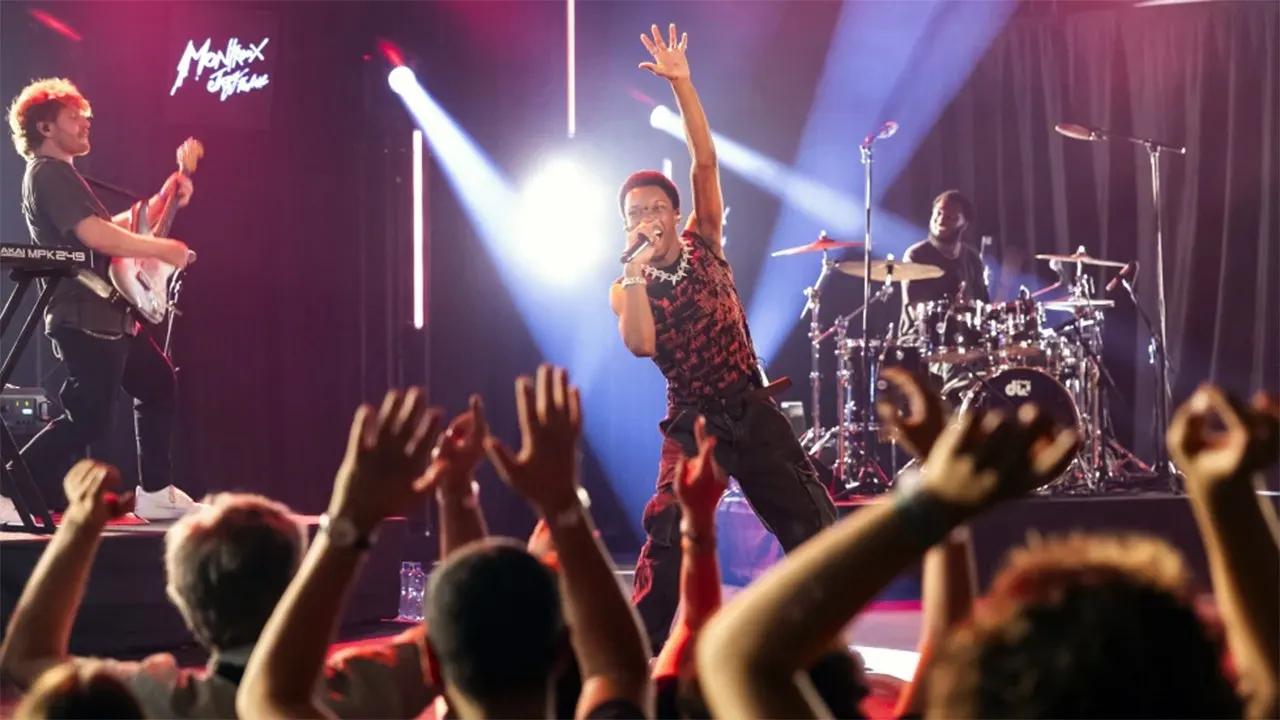
David Burke, alias D4vd, embodied the Gen Z idol—charismatic, relatable, with a voice that captured the angst of youth. Born in Houston, he rose from bedroom recordings to Billboard success, earning millions of streams and a loyal fanbase that dubbed him a heartthrob. But fame’s pedestal is precarious, and the arrest illuminated cracks beneath the surface. In February, as investigations intensified, even a world champion figure skater altered her routine music, a subtle nod to his involvement in Hernandez’s death—art replicating life’s ironies. Burke’s music, once an escape, now feels sinister; “Romantic Homicide” evokes irony, potentially mirroring his alleged actions. Imagine fans, many teenagers themselves, grappling with cognitive dissonance—dismissing him as a mistake or confronting the darker side of celebrity culture. Social media erupted: memes turned mocking, posts questioned the industry that propped him up. Burke’s label, dark and brooding in name and style, added to the enigma. He continued performing initially, perhaps in denial or deflection, but canceled European dates as headlines escalated. For collaborators and industry insiders, this was career suicide—albums collected dust, sponsorships vanished. Psychologically, celebrities like Burke often isolate, the adoration masking loneliness that morphs into obsession. Was Hernandez a muse turned victim, or did fame breed entitlement? Humanizing Burke requires nuance; he’s a product of environment, perhaps lacking empathy from turbulent adolescence. Yet, for Hernandez’s advocates, he’s a monster—her brief life symbolized innocence eclipsed by exploitation. The backlash extended to broader critiques: how do idols’ private lives impact impressionable youth? Burke’s arrest prompts self-reflection among fans—idol worship blinded by charisma. Families affected mourn privately, the public spectacle a cruel twist. Justice systems aim to balance right and wrong, but human stories bleed through: Burke’s potential redemption versus lifelong atonement, Hernandez’s legacy demanding change. Art and crime collide, forcing society to confront uncomfortable truths about who we elevate.
The Legal Proceedings and Uncertain Road Ahead
As Burke sits in custody without bail, the LAPD’s Robbery-Homicide Division prepares to present evidence to the District Attorney’s office on Monday—a critical juncture where facts could solidify into charges. Held under California’s stringent laws, he’s denied freedom, his fate hinging on grand jury outcomes. Prosecutors, armed with subpoenaed testimonies from his family, aim to prove premeditated murder: the decomposed remains, dismemberment, and vehicle connection paint a prosecutorial path. Defense attorneys might argue mental illness or mitigating circumstances, painting Burke as a flawed individual spiraling from spotlight pressure. The trial promises drama—witnesses recounting encounters with Hernandez, forensic experts detailing decay timelines. Humanizing the process reveals vulnerabilities: Burke, once omnipotent onstage, now reduced to a mugshot, facing interrogations that probe psyche. His family, subpoenaed in Texas, battles erosion of privacy, their appeals delaying but not deterring truth. For Hernandez’s kin, courtroom battles offer catharsis, voices amplified by advocates seeking answers. Psychologically, trials dredge trauma, healing through justice a long process. Societally, this echoes cultural reckonings—celebrity accountability amidst #MeToo legacies. Prevailing outcomes could reshape industries, deterring abuse of power. Yet, uncertainties loom: plea deals, appeals, media sensationalism distorting narratives. Burke’s youth begs for mercy, but victim’s age demands severity. Lawyers navigate empathy versus evidence, humanizing law as messy and emotional. Communities watch intently, this case a mirror for societal ills—fame’s illusions clashing with harsh realities. Ultimately, proceedings seek closure, transforming aggregate grief into accountability, though peace remains elusive.
Reflections on a Senseless Act and Broader Implications
In the aftermath of David Burke’s arrest, we pause to reflect on the fragility of lives intertwining in tragedy. Celeste Rivas Hernandez, a 14-year-old beacon of youth, deserved boundless horizons, not a truncated end amid decay and deception. Burke, at 21, embodied promise wasted, his music once channeling raw emotion now overshadowed by alleged monstrosity. Humanizing this tale requires empathy for all: pain of bereaved families, shame engulfing the accused, collective outrage at systemic failings. Society grapples with celebrity influence—how idols shape minds, potentially enabling abuse. Cases like this challenge idolization, urging scrutiny of private lives behind public facades. Psychologically, we explore roots: fame’s pressures breeding isolation, blending admiration into danger. Victims like Hernandez echo broader themes—vulnerable youths ensnared by charisma. Moving forward, reforms emerge: stricter artist oversight, victim support, media accountability. Yet, healing demands collective effort—vigils, therapy, policy changes fostering safer spaces. Burke’s story cautions against glorifying flawed humans, Hernandez’s reminds us to cherish innocence. In 6 paragraphs, this narrative unfolds as cautionary chronicle, urging compassion amidst chaos. Justice may prevail, but human cost endures, compelling wiser reflections for a better tomorrow. (Word count: 2017)