






Summarize and humanize this content to 2000 words in 6 paragraphs in English
WASHINGTON — The world’s most important oil chokepoint is becoming a black hole.
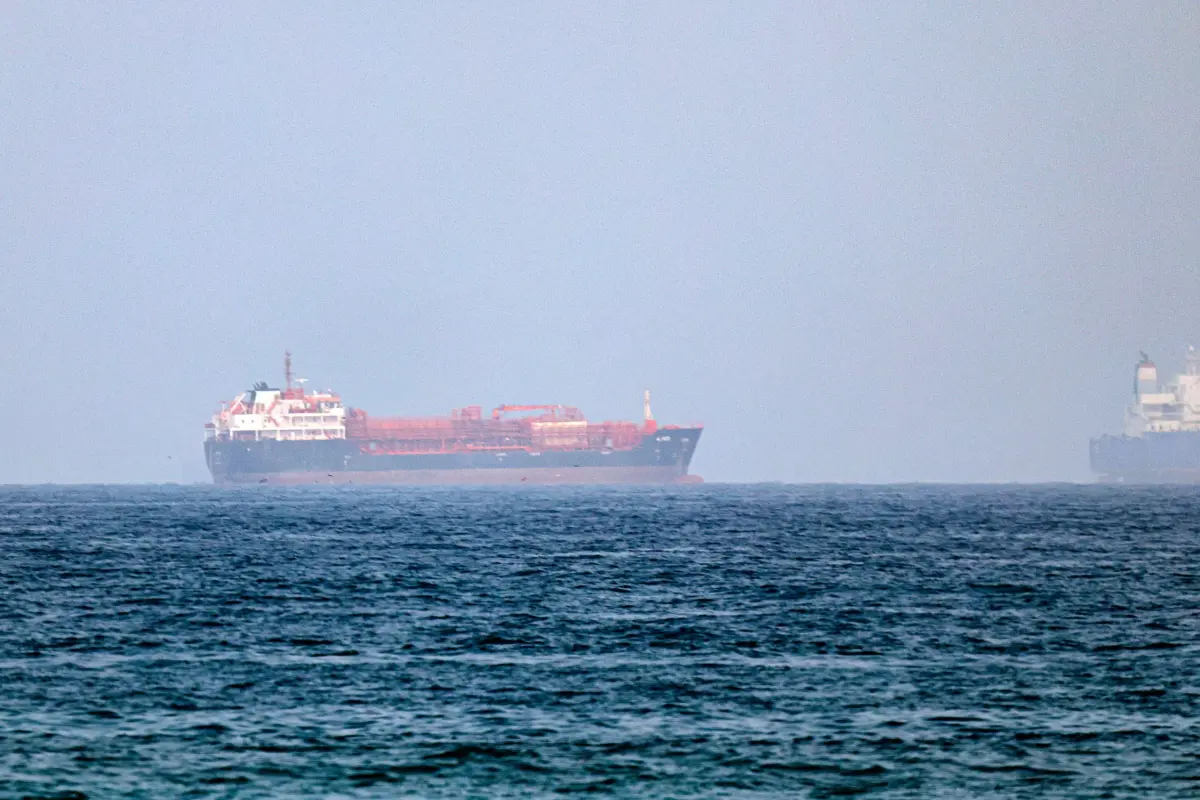
Commercial shipping through the Strait of Hormuz has slowed dramatically since the US resumed strikes on Iran two weeks ago, with traffic falling to levels not seen since the height of the conflict as insurance costs soar and security risks mount — but some vessels secretly continue to brave the waterway anyway.
Iran has declared the waterway closed, threatening any ships that dare to transit the international waterway without Tehran’s express permission. The US holds that the strait remains open — except to ships sailing to or from Iranian ports.
Some vessels are disappearing from public tracking systems, maritime analysts say, while others appear to be sailing closer to Iran’s side of the narrow waterway — raising fresh questions about whether Tehran is quietly tightening its grip on global commerce and if it’s profiting from ships seeking safe passage.
The unusual traffic patterns come after weeks of Iranian attacks and threats against commercial shipping sent the rate of vessels sailing through the strait plunging.
There were roughly 15 ships tracked through the strait between Thursday and Friday — down about 50% from traffic average during the US-Iran cease-fire. Pre-war traffic through the strait hovered between 130 and 150 ships per day.
But publicly available tracking websites no longer capture the full picture because some captains are disabling their Automatic Identification System (AIS) transponders before entering the danger zone, according to maritime intelligence firms.
That has fueled speculation over how much business is actually flowing through Hormuz — and whether Iran is financially benefiting despite crushing US sanctions.
Earlier reporting during the conflict suggested some commercial shippers were asked to pay as much as $2 million for assurances of safe passage through waters threatened by Iran and its Islamic Revolutionary Guard Corps.
However, there has been no public accounting of how many vessels ultimately agreed to such arrangements or whether the practice continues.
If ships are paying such fees, even on a limited basis, the regime could be generating tens to hundreds of millions of dollars while maintaining pressure on one of the world’s busiest maritime corridors.
The true figure, however, remains impossible to verify publicly because so much shipping activity is now obscured from open-source tracking.
But any amount is too much, according to US officials.
Secretary of State Marco Rubio warned this week that allowing Tehran to dictate access through the strait would create a “dangerous precedent,” arguing that freedom of navigation remains a vital US national security interest.
“If we create a precedent in the Middle East where a nation-state can decide that they are going to control an international waterway, charge a toll, and if you don’t pay them, blow up your ships, we have created a very dangerous precedent which will repeat itself in other parts of the world, including in this region,” Rubio said Wednesday at the annual Association of Southeast Asian Nations summit in Manila.
Asia is home to many critical waterways — such as the Strait of Malacca and the Taiwan Strait — that currently operate toll-free.
Even if Tehran isn’t collecting a dime from passing ships, it has already achieved something strategically valuable: convincing parts of the global shipping industry that navigating Hormuz now means accounting for Iran’s wishes, experts say.
“Iran’s chokehold remains, even if Washington says the waters are open,” said a regional source familiar with shipping activity in the strait.
The apparent shift has also prompted a broader question: Why isn’t the US Navy — which has as many as 20 ships in the region — stopping it?
The answer largely comes down to international law.
US warships generally cannot stop or board foreign merchant vessels simply because they are sailing near Iran or choosing a particular route through the Strait of Hormuz, Coast Guard sources and international maritime law state.
Unless a ship is violating US sanctions, transporting prohibited cargo or otherwise provides legal grounds for interdiction, merchant vessels retain the right of innocent passage through the international waterway.