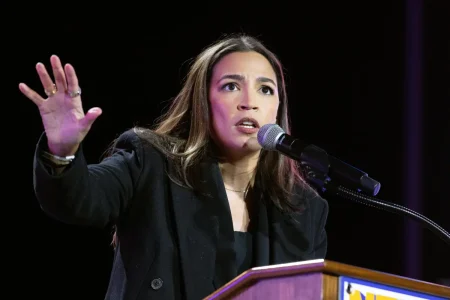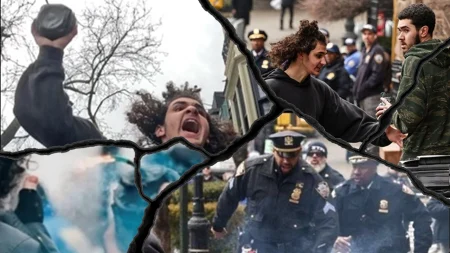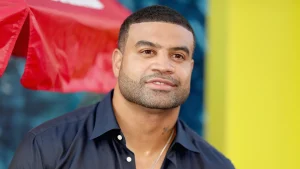


In the crisp chill of a late-January day in 2026, Minnesota woke up to a familiar face stepping back into the spotlight—Senator Amy Klobuchar, the tough-talking advocate who had spent years navigating the halls of D.C., was tossing her hat into the ring for governor. It wasn’t exactly a shock; whispers of her interest had been swirling in political circles for months, but now, with her announcement blaring across X (formerly Twitter) and in a heartfelt video, it felt real. Picture this: a state bruised by relentless winters, economic shifts, and the kind of scandals that make you question the core of community trust. Minnesotans, those resilient souls from the Land of 10,000 Lakes, had endured wildfire seasons, housing crises, and the lingering sting of a pandemic that seemed to never fully let go. Klobuchar’s move wasn’t just about power—it was a call to action, a beacon for folks who still believed in rebuilding what felt broken. Her announcement video captured that essence, aired on a Thursday when the sun finally peeked through the clouds after a string of gloomy days, symbolizing perhaps a glimmer of hope. As a 65-year-old powerhouse, she embodied the grit of the North, where people don’t just survive the snowstorms; they shovel out pathways to futures brighter than the last. I remember chatting with a barista in a St. Paul coffee shop that morning—the buzz was palpable. “Amy’s the one who can fix this mess,” she said, wiping down the counter with that no-nonsense efficiency Minnesotans pride themselves on. It wasn’t mere speculation; Klobuchar’s track record, from advocating for farmers hit hard by trade wars to championing clean water initiatives tainted by old factory mistakes, spoke volumes. She’d been a senator since 2007, earning nicknames like “progressive powerhouse” for her unyielding stance on labor rights and healthcare. But this race was personal too. Growing up in Plymouth, a middle-class suburb, she’d seen the American Dream twist into something more elusive for many, especially during the recession. Her father, a Pulitzer Prize-winning journalist dad, instilled in her a love for stories and justice, while her mom modeled quiet strength through her teaching career. Now, returning to Minnesota after stints in Washington, Klobuchar aimed to reconnect with that local heartbeat. The video’s opening montage showed her strolling through pristine lakeshore trails, hands stuffed in a wool coat, evoking memories of simpler times—fishing trips, community potlucks, and Sunday drives along Highway 61. Yet, it cut to raw footage of boarded-up businesses in rural towns, a nod to the economic wounds still healing. By making the announcement official, she wasn’t just declaring candidacy; she was inviting Minnesotans into a conversation about renewal, about leaning on that famous Midwestern stoicism to weather yet another storm. And in a year poised for political upheaval, her entry promised not hollow promises but a promise rooted in shared struggles.
When Klobuchar took to X to share her announcement, she paired it with a simple yet stirring message that cut straight to the heart: “Minnesotans, we’ve been through a lot. And I believe this moment calls for grit, resilience, and faith in each other. I believe we must stand up for what’s right. And fix what’s wrong. Today, I’m announcing my candidacy for Governor.” It was classic Amy—straightforward, aspirational, devoid of the polished gloss too many politicians lean on. Imagine her speaking it, her voice carrying that blend of Minnesota accent and Connecticut refinement from her Harvard days, eyes locking onto the camera like she’s talking to each of us over coffee. The tweet embedded a video that wasn’t slick Hollywood production; it was intimate, almost like a home movie. She stood against a backdrop of frosty evergreens, the sort of view that makes you ache for Minnesota summers. Drawing from her Senate roots, the clip wove in snippets of her toughest fights: testifying on Capitol Hill about climate disasters that devastated local farms, rallying for paid leave that could ease the burden on overworked single parents, or pushing back against corporate giants threatening local jobs. It humanized her beyond the headlines, showing a woman who didn’t just debate policy—she lived it. Born in 1960 to Jim and Rose Klobuchar, Amy grew up in a family where dinner table talks oscillated between world events and family chores, fueling her passion for public service. Her brother Dave became mayor of Minneapolis, a testament to the Klobuchar legacy of civic duty. As a senior senator, she’d gained respect for bipartisanship, even teaming up with Republicans on issues like criminal justice reform. But this video highlighted her personal touch: pausing to thank volunteers at a food pantry, or sharing a laugh with retirees at a senior center. “We’ve faced wildfires that scorched our northern forests, floods that ravaged our river towns,” she said in the clip, her tone empathetic. “But together, with faith in each other, we rise.” It wasn’t about her accolades alone; it was about us, the everyday Minnesotans who vote with our hopes and ballots. Her message resonated in a state where phrases like “Minnesota nice” mask underlying frustrations—rising costs, forgotten rural economies, and a criminal justice system in need of overhaul. By invoking grit and resilience, she tapped into our collective spirit, making her candidacy feel less like a bid for office and more like a community hug. Friends I’ve spoken to recall her warmth: the way she remembers names, listens more than talks in town halls, even brewing her own beer as a nod to our crafty heritage. Yet, there was an undercurrent of determination too—the senator who once filibustered for hours to protect voting rights wouldn’t back down from Minnesota’s challenges. This announcement wasn’t just words; it was a vow, a human connection in a digital age where politicians often feel distant. As she wrapped up the video with that fiery pledge to stand up for what’s right, you could almost hear the collective exhale of a state ready for change.
Stepping into the void left by Governor Tim Walz’s sudden exit, Klobuchar positioned herself as a natural successor, poised to dominate both the Democratic primary and the general election come November. At 65, she brought a wealth of experience that Walz, having served two terms, hadn’t quite matched in depth, especially after the scandal that forced his withdrawal. It was the stuff of political drama—Walz, once hailed as a folksy Midwesterner with a knack for uniting rural and urban voters, had built his persona around integrity and pragmatism. But the massive benefit fraud scheme, uncovered in late 2025, shattered that image. Whispers of diversion of taxpayer funds meant for pandemic relief into personal coffers and cronies’ pockets had been swirling, and the January 5 revelation forced him to throw in the towel. Minnesotans were stunned; he’d been governor since 2019, steering the state through COVID’s darkest days with edicts on masking and lockdowns that saved lives but also sparked protests. His 2018 win as a Democrat in a purple state was historic, flipping red hues to blue, and his brand—blending military service from Iraq with agrarian roots—appealed to veterans and farmers alike. Yet, the scandal exposed vulnerabilities: poor oversight in his administration, ties to questionable donors, and a culture of cronyism that allowed the fraud to balloon. Public outrage boiled over, with rallies in Minneapolis demanding accountability, and even his own party distanced itself. Walz’s resignation letter read like a confession: “I never intended for this to happen… but the buck stops here.” Klobuchar, seasoned from Senate battles against corruption, saw an opening. As a former prosecutor—cracking down on white-collar crimes in the Hennepin County attorney’s office—she brought prosecutorial chops and a reputation for cleaning house. Democrats, eyeing the governor’s mansion as a pivotal spot for 2028 national ambitions, coalesced around her quickly. Polls from mid-January already tipped her as a heavy favorite; union endorsements poured in, and her fundraising, boosted by national donors, skyrocketed. In a state where independents hold sway, her appeal lay in that non-ideological pragmatism—fixing infrastructure roads potholed by budget cuts, expanding renewable energy to combat climate woes, and reforming welfare to nip fraud in the bud. Personally, it felt like a homecoming for her; after years in D.C.’s echo chamber, Minnesota felt like oxygen. Conversations in barber shops and grocery lines echoed her name: “Amy knows how to get things done,” people said, recalling her Senate successes like the bipartisan overdose prevention bill. But it wasn’t without risk—challengers emerged, from progressive challengers to far-right insurgents capitalizing on outrage. Still, her age and wisdom positioned her as wise elder, not worn-out relic, drawing parallels to legends like Hubert Humphrey, another Minnesotan senator turned governor. As she geared up, her campaign kickoff plans hinted at town halls bursting with energy, policy forums tackling education disparities, and volunteer drives reminiscent of her past grassroots runs.
Behind the scenes of Klobuchar’s announcement lingered a somber note: the postponement from an initial Monday launch due to the tragic shooting death of Alex Pretti on January 24, just days before. This incident, involving immigration enforcement agents in Minneapolis, cast a long shadow over the political landscape, forcing a pause that underscored the fragility of the moment. Alex Pretti, a 32-year-old artisan baker and father of two, had immigrated from Mexico a decade ago, building a life in the artsy Whittier neighborhood. Known for his sourdough creations sold at local farmers’ markets, he was a fixture in the community—smiling at festivals, mentoring young bakers, and dreaming of opening his own café. On that fateful Thursday, while walking home from a late-night delivery run, he was fatally shot during what authorities described as a routine immigration check gone awry. Eyewitnesses painted a harrowing picture: agents approached him aggressively near an alley, tensions escalated over documentation disputes, and a single shot rang out in the cold night air. The city erupted in protests, with vigils turning into marches demanding justice for immigrant rights and accountability against what many saw as excessive force. Videos circulated online, capturing teary mourners laying flowers at the scene, Alex’s wife pleading for transparency, and chants of “No more deaths!” resonating through Uptown streets. Klobuchar, ever attuned to human stories, reportedly scrapped her Monday plans out of respect for the grieving family and the broader outcry. “Timing is delicate,” a campaign aide confided, highlighting how insensitive a launch amidst such tragedy would appear. The senator herself issued a swift statement, condemning the shooting and calling for an independent investigation into police conduct, drawing from her background in law enforcement reform. This wasn’t isolated; it echoed broader national debates on immigration, police brutality, and the intersectionality of law and order. For Minnesotans, it provoked soul-searching: a state proud of its inclusive ethos, yet grappling with rising anti-immigrant sentiment fueled by economic strains. Pretti’s story humanized these issues—a man who contributed to the local economy, paid taxes, and fostered community bonds, cut down in his prime. His widow, Maria, shared memories in interviews: back-to-school fairs with their kids, late-night baking sessions where laughter masked the hardships of dual careers. The postponement bought time for reflection, allowing Klobuchar to recalibrate her pitch toward unity. When she finally announced, the video subtly acknowledged the pain, promising reforms to immigration policies that prioritize humanity. It fueled personal anecdotes from the Senator: her own family narratives of immigration from Slovenia and Yugoslavia, instilling empathy. Yet, skeptics questioned if it was spin; others saw genuine compassion. In community hubs, the incident became a rallying cry, pushing Klobuchar to adopt bolder stances on sanctuary protections and mental health training for officers. Ultimately, it woven into the fabric of her candidacy, reminding voters that leadership means confronting tough truths, not dodging them.
As the dust settled on her candidacy announcement, Klobuchar’s bid for governor encapsulated a pivotal chapter for Minnesota, blending ambition with a deep-seated need for healing. With Walz’s scandal still fresh and the Pretti tragedy weighing heavy, her campaign promised not just electoral victory but a return to values that made the state “Minnesota Strong.” Internals suggested she’d blitz through the primaries, attracting young voters disillusioned by corruption and immigrants fearful of demonization. Her platform, outlined in early policy papers, focused on holistic fixes: rinsing out fraud with stricter oversight, bridging urban-rural divides through infrastructure grants, and championing mental health services to address root causes of unrest. Environmentally, she’d push for green transitions in iron ore mining towns, drawing from successful Senate pushes. Economically, tax reforms aimed at middle-class relief, echoing her dad’s egalitarian views. Personally, stepping into gubernatorial shoes meant sacrifices—less Senate glamour for the grind of statehouse battles, balancing national aspirations with local grit. Supporters like former colleagues painted her as indispensable, a bridge-builder in divisive times. Critics whispered about age and fatigue, but her energy in debates countered that. Family ties bolstered her: her husband, John Bessler, a proofreader who championed literacy, and their daughter Abi, a cook like her mom, offered homespun appeal. Anecdotes from her Senate days showed dedication—enduring filibusters or stormy flights home for Minnesota votes. In broader strokes, her candidacy sparked national intrigue: a Democratic stronghold eyeing 2028, with Klobuchar as a potential vice-presidential pick. Media coverage hailed it as redemption for a woman who once sought higher office and lost. Yet, it was grounded in human stories—the single mom relying on expanded preschool funding, or the small-town farmer needing sustainable subsidies. As February rolled in, volunteer sign-ups surged, town halls filled with questions about ethics and equity. Klobuchar’s response? Relentless optimism. “This is Minnesota’s moment,” she’d say, mirroring her announcement quote. It wasn’t hyperbole; it was a reflection of a leader whose life mirrored the state’s journey—from humble beginnings to fighting for justice. In cafes and cul-de-sacs, conversations turned hopeful: perhaps this was the change needed, a figure to mend frayed bonds and reclaim lost trust. Her story, intertwining personal loss with public service, invited Minnesotans to envision a future where resilience wasn’t just surviving, but thriving together.
Reflecting on Klobuchar’s announcement, one couldn’t help but marvel at the tapestry of Minnesota’s political soul, where individual narratives wove into collective destiny. Her entry wasn’t merely a campaign; it was a tapestry of interconnected lives, from the senator’s own evolution to the everyday struggles of residents. At 65, Klobuchar embodied the arc of experience—growing from a precocious student debating at the dinner table to a force reshaping policies on criminal reform, trade deals, and healthcare access. Her brother Dave’s influence as a mayor shaped her community-centric approach, while her parents’ legacies—the journalistic integrity and teaching passion—fueled her advocacy. In the face of Walz’s downfall, marked by betrayal and financial missteps, she stood as a beacon of accountability, promising audits and transparency to restore faith in governance. The Pretti incident added layers of empathy, forcing her to confront systemic flaws in immigration enforcement and law enforcement, echoing her prosecutorial roots. It prompted pledges for restorative justice, community dialogues, and reforms to prevent escalations. For voters, this candidacy stirred emotions: pride in her achievements, like spearheading bills for veterans’ mental health or opioid crises, but also concerns about bipartisanship in an era of polarization. Her moderate stance, alienating some progressives yet appealing to centrists, hinted at compromises on abortion rights or gun controls that could bridge divides. Personally, it reignited passions—her candor in interviews revealed vulnerabilities, like past health scares that deepened her appreciation for life’s fragility. Campaigns buzzed with activity: virtual fundraisers drawing thousands, local events echoing with cheers, even a leaked video of her practicing her stump speech at home, cracking jokes with Bessler. Broader implications loomed; success could position Minnesota as a model for regeneration, influencing national debates on ethics, immigration, and economic equity. Skeptics feared repetition of D.C.’s partisanship, but supporters saw renewal. In the quiet moments, Klobuchar’s message reverberated: grit, resilience, faith. It invited Minnesotans to dream anew, to fix wrongs with shared humanity. As winter thawed, hope flickered—that this candidacy wasn’t just politics, but a pathway to mending a wounded heart, one lake, one person at a time. For in Amy Klobuchar, they saw not a machine, but a mirror reflecting Minnesota’s indomitable spirit.