


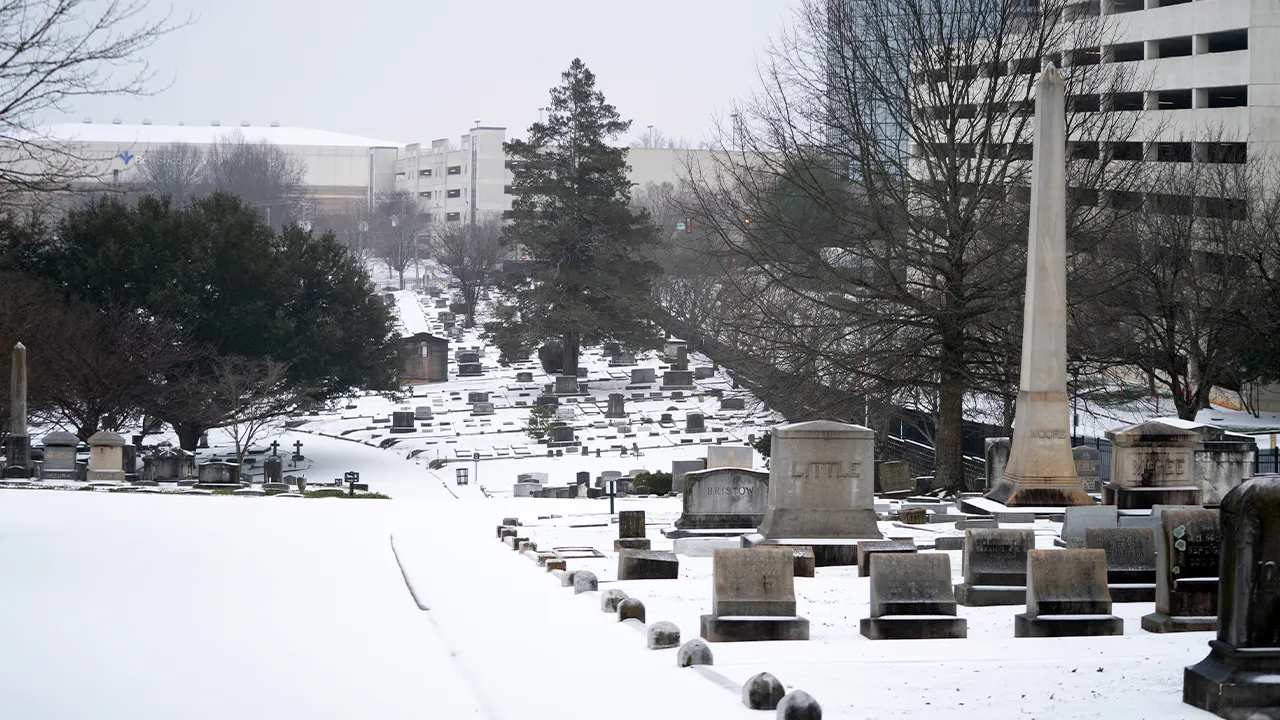
South Carolina is grappling with the harsh aftermath of a brutal winter storm that swept across the southern United States, leaving behind a trail of tragedy and challenging the resilience of its communities. In the quiet, snow-laden landscapes of Lexington and Greenwood Counties, lives have been irreparably altered, reminding us all of the vulnerability of our elderly population to the unforgiving grip of extreme weather. The South Carolina Department of Public Health (SCDPH) confirmed this week that the storm, which raged over the weekend of January 25th, claimed its second victim—an 83-year-old woman who succumbed to hypothermia after venturing outside. This poignant loss echoes the fragility of life in the depths of winter, where a simple outing can turn deadly without warning. As families mourn and local authorities piece together the stories behind these deaths, the incident underscores the critical need for awareness and preparation amid escalating climate challenges. Across the region, whispers of fear and sympathy are shared among neighbors, with many recalling their own close calls during the bone-chilling cold that blanketed homes and highways alike. The woman’s identity remains undisclosed out of respect for her family’s privacy, but her passing amplifies the human cost of such natural disasters. It’s not just a statistic; it’s a life interrupted, a story cut short, perhaps while seeking comfort or assistance that never arrived. In Greenwood County, the first casualty was announced just days prior—a 96-year-old woman who tragically met the same fate, her body discovered amid the relentless freeze. These women, pillars of their communities through decades of laughter, wisdom, and quiet strength, now represent the faces of those who’ve fallen victim to winter’s icy wrath. As coroners confirm their deaths were hypothermia-related, one can’t help but imagine the loneliness of their final moments, wandering or simply enduring the cold without respite. This dual tragedy highlights the disproportionate impact on the elderly, who may lack the mobility or support systems to protect themselves from plunging temperatures. Communities are rallying with donations of blankets and heaters, sharing stories of elderly relatives who’ve battled similar storms in the past. The storm’s shadow extends beyond South Carolina, serving as a stark reminder of how interconnected our struggles are in the face of impersonal forces like weather patterns shifting unpredictably. Yet, amidst the sorrow, there’s a sense of communal solidarity emerging, with volunteers braving the elements to check on isolated seniors and ensure no one else suffers alone. The SCDPH’s release of these details prompts heartfelt conversations about compassion and vigilance, transforming impersonal reports into narratives of loss that resonate deeply. It’s a call to action for families to reach out, for governments to prioritize vulnerable populations, and for all of us to empathize with the invisible battles fought in the quiet homes of those enduring old age. This isn’t just about the storm; it’s about the human spirit’s endurance and the profound empathy required to weather such emotional storms together.
Delving deeper into the lives affected by this merciless winter storm, it’s impossible not to feel a profound sadness for the nameless women whose stories have been so abruptly concluded. The 83-year-old from Lexington County, confirmed deceased on January 25th by county officials, was likely someone cherished by her family—a grandmother, perhaps, who’s spent a lifetime nurturing others through countless seasons. Hypothermia, the silent killer, crept in while she was outdoors, her body unable to fend off the subzero temperatures that invaded every crevice of exposed skin. We can picture her bundled in inadequate layers, venturing out for milk or a neighborly chat, unaware of the peril lurking in the wind. Similarly, the 96-year-old from Greenwood County, whose death was reported on Monday, embodied resilience, having navigated nearly a century of life’s ups and downs. Imagine her as a matriarch, surrounded by old photographs and stories of yesteryear, her final breath taken in solitude as the storm raged outside. Both women, unidentified in media reports for privacy reasons, leave behind voids in households that now grapple with grief’s heavy weight. Family members are likely sifting through memories—holidays shared, wisdom imparted, quiet moments of joy. This tragedy evokes empathy for the elderly, who may outlive spouses and friends, facing winter’s bite with diminished strength. Healthcare experts warn of hypothermia’s dangers, where symptoms like confusion and drowsiness can lead to fatal outcomes quickly, especially for those with underlying health issues. In communities hit hard, support groups are forming, offering counseling and resources to prevent future incidents. It’s a poignant reflection on aging gracefully yet vulnerably, urging societal changes like better home heating assistance and emergency check-ins. By humanizing these victims, we honor their legacies, turning stark facts into tributes that inspire better safeguards. The coroner’s confirmations add legal weight, but the emotional toll reverberates through neighborhoods, fostering a collective resolve to protect the most fragile among us. This event isn’t isolated; it’s a mirror to broader issues of isolation in modern life, where even in densely populated areas, individuals can feel the chill of loneliness. As volunteers distribute care packages and hot meals, the community spirit shines through, transforming sorrow into opportunities for connection and care. Ultimately, these women’s deaths compel us to value life in all its tiers, ensuring that no one faces winter’s fury unprepared or alone.
President Donald Trump’s response to the escalating winter crisis stands as a beacon of federal commitment, swiftly mobilizing aid to mitigate the storm’s devastation across multiple states. On January 24th, in a post on Truth Social, Trump announced his approval of South Carolina Governor Henry McMaster’s request for a federal emergency disaster declaration, unlocking vital resources to bolster local recovery efforts. “I have approved Emergency Declarations for the historic winter storms headed to the great state of South Carolina and the Commonwealth of Virginia,” he wrote, emphasizing collaboration with FEMA and state partners to prioritize safety and warmth. This declaration arms South Carolina’s 46 counties with access to federal personnel and equipment, from rescue teams to supplies, potentially saving lives already on the brink. Just hours later, Trump expanded his support, sanctioning similar declarations for Tennessee, Georgia, North Carolina, Maryland, Arkansas, Kentucky, Louisiana, Mississippi, Indiana, and West Virginia—extending a lifeline to a broad swath of the nation battered by the storm. These actions reflect a proactive leadership style, where decisive interventions aim to bridge gaps left by nature’s impartial wrath. FEMA’s involvement means funding for debris removal, emergency housing, and storm-related repairs, directly alleviating the burdens on overwhelmed states. In South Carolina, Governor McMaster’s office praised the move, highlighting how federal aid complements grassroots efforts, ensuring residents aren’t abandoned in dire times. Trump’s promises to “keep everyone safe, and make sure both States have the support they need” resonate with those shivering in impacted regions, offering reassurance amid uncertainty. He’s pledged ongoing monitoring, staying attuned to evolving weather patterns and new requests from affected areas. This isn’t mere bureaucracy; it’s a tangible demonstration of intergovernmental solidarity, where Washington steps in to empower locals fighting on the front lines. By addressing the storm’s “historic” scale, Trump acknowledges its severity, from snow-choked highways to frozen power lines crippling daily life. His communications humanize the crisis, blending authority with empathy, urging citizens to “stay safe, and stay warm!” For families like those in South Carolina mourning losses, this aid symbolizes hope, providing financial relief and logistical support to rebuild stronger. Critics might debate political motivations, but to those enduring the cold, it’s a lifeline that could mean the difference between survival and despair. As the storm trailed emotions as deep as its snowdrifts, Trump’s declarations foster unity, transforming federal oversight into a comforting presence. This response underscores the importance of nimble governance in crises, where leadership’s human touch can inspire confidence and cooperation.
The winter storm that unleashed its fury last weekend wasn’t confined to South Carolina; it blanketed a vast expanse of the United States, from the arid expanses of New Mexico all the way to the bustling coastlines of New England, dumping relentless snow, sleet, and freezing rain while plunging temperatures into subzero realms. This widespread onslaught, described as “historic” in presidential declarations, disrupted lives across tens of thousands of miles, turning highways into icy gauntlets and homes into frozen fortresses. In New York City alone, officials reported a staggering 10 deaths linked to the storm, including a 90-year-old woman who tragically wandered outside amid the chaos, her disorientation a heartbreaking symptom of the cold’s insidious grip. Elsewhere, a 66-year-old Tennessee man succumbed to a heart attack while shoveling snow, adding another layer of heartbreak to the storm’s toll—a mundane chore turned mortal hazard. These stories paint a vivid picture of a nation under siege, where everyday activities morph into perilous adventures. Communities faced power outages, stranded travelers, and schools shuttered, forcing folks to huddle indoors with whatever warmth they could muster. The storm’s reach spanned diverse landscapes: in the Southwest, it mingled with dust storms, while up north, it fortified already frigid waters. Meteorologists noted record lows, with wind chills dropping comforters into near-irrelevant status. Reported death tolls climbed, including these mentioned cases, sparking nationwide sympathy and calls for better preparedness. People shared anecdotes on social media—neighbors digging out cars, families rationing firewood—building a tapestry of resilience against adversity. The Associated Press’s coverage captured this scope, detailing how states raced to declare emergencies, mobilizing plows and heating centers. Yet, beneath the statistics lies the human element: children missing school, elders isolated without heat, workers risking icy commutes for livelihoods. This storm wasn’t just weather; it was a shared ordeal testing communal bonds, where kindness—like strangers sharing shovels or warmth—restored faith amid frostbitten trials. Expansions in aid coverage, as per Trump’s approvals, aimed to alleviate these burdens, providing tangible relief to those bearing the brunt. As tales of survival emerged, so did gratitude for first responders who braved elements to rescue the vulnerable. The event’s scale, from New Mexico’s deserts to New England’s shores, illustrates how interconnected our fates are, prompting reflections on climate adaptation and collective action to shield against future tempests.
As the echoes of last weekend’s storm fade, a new chapter of winter adversity looms on the horizon, with forecasts predicting yet another bout of ferocious weather set to batter states from the Carolinas northward through the Northeast. Just a week after the initial onslaught, residents are steeling themselves for round two, as Fox Weather alerts warn of potential travel snarls and hazardous conditions that could echo the prior week’s disruptions. The Carolinas, already smarting from the first hit, brace for more icy precipitation, which might compound recovery efforts in areas still clearing snow from driveways and roofs. However, Massachusetts and its iconic Cape Cod region stand poised to endure the fiercest impacts, with accumulations nearing six inches of snow anticipated alongside howling winds whipping up to 70 mph by Sunday. This storm’s projected path evokes images of ghost-town streets buried under white blankets, children snowbound indoors crafting makeshift forts, and coastal communities fortifying against erosion as tides surge perilously. Scientists attribute such back-to-back events to shifting atmospheric patterns, perhaps exacerbated by climate changes that amplify extremes. For families in affected areas, this means revisiting emergency plans—stockpilng non-perishables, ensuring carbon monoxide detectors, and staying connected through apps to avoid isolation. Elders, like those lost in South Carolina, are at heightened risk, prompting pleas from healthcare advocates for boosted assistance programs. Commuters will face gridlocked roads, while airlines brace for cancellations, echoing the frustrations of delayed journeys during the prior storm. Yet, amidst the apprehension, there’s a sense of seasoned preparedness; communities that weathered the first round are sharing tips, from layering clothing to communal coping strategies. Fox Weather’s detailed projections include interactive maps, allowing people to visualize the danger zones, fostering informed decisions. This impending event isn’t a surprise isolated incident but a reminder of winter’s capricious nature, where days of calm can swiftly yield to chaos. Stories from past storms inspire resilience—think of neighbors banding together for shoveling parties or impromptu soup kitchens. As the first signs of snowfall appear, human connections deepen, transforming fear into fellowship. With federal aid already deployed and local authorities vigilant, hopes ride on minimizing casualties, ensuring that empathy and preparedness turn potential tragedy into triumph.
In wrapping up this poignant saga of winter’s unyielding challenge, it’s clear that the storms ravaging the United States have woven threads of sorrow, solidarity, and survival into the national tapestry. From the confirmed deaths in South Carolina—those two beloved women who fell prey to hypothermia’s cruel embrace—to the broader ripple effects across a dozen states, we’ve witnessed the tangible costs of nature’s indomitable force. President Trump’s swift affirmations of emergency declarations offer a layer of governmental empathy, channeling resources through FEMA to mend the fractures caused by snow and ice. Yet, beyond the declarations and forecasts, this ordeal illuminates the profound humanity affected: families grappling with loss, communities rallying with kindness, and individuals rediscovering their capacity for endurance. The upcoming storm, poised to lash Massachusetts and beyond, demands vigilance, reminding us to cherish our warmth in literal and figurative senses. As Fox News enables listeners to audibly engage with such stories, it bridges gaps, making narratives of resilience accessible to all. This isn’t merely about weather; it’s a testament to how crises reveal our collective strength, urging better policies for the vulnerable and a renewed appreciation for life’s fragile beauty. In the face of such hardships, let us remember the stories untold—the survivors who adapt, the heroes who assist—ensuring that future winters yield not just survival, but stories of triumph. Here, in the quiet aftermath, empathy blossoms, transforming cold statistics into warm imperatives for compassion and action. As nations heal, the human spirit endures, fortified by shared experiences that bind us against the unknown. Though the storms may rage anew, our resolve, like eternal embers, keeps the heart warmed through. Ultimately, these events call for innovation in disaster response, community education, and climate awareness, paving paths toward safer tomorrows where no one faces the chill alone. By listening, learning, and lifting one another, we emerge not broken, but boundless in our capacity for healing. This chapter closes with hope, as voices across Fox News echo the narratives of hope amid havoc, inspiring all of us to weather life’s tempests with grace and grit. The path ahead, though uncertain, is paved with the promise of warmer days and stronger bonds, born from the frigid trials endured together.