


The Mystery Deepens: Unpacking the Nancy Guthrie Case
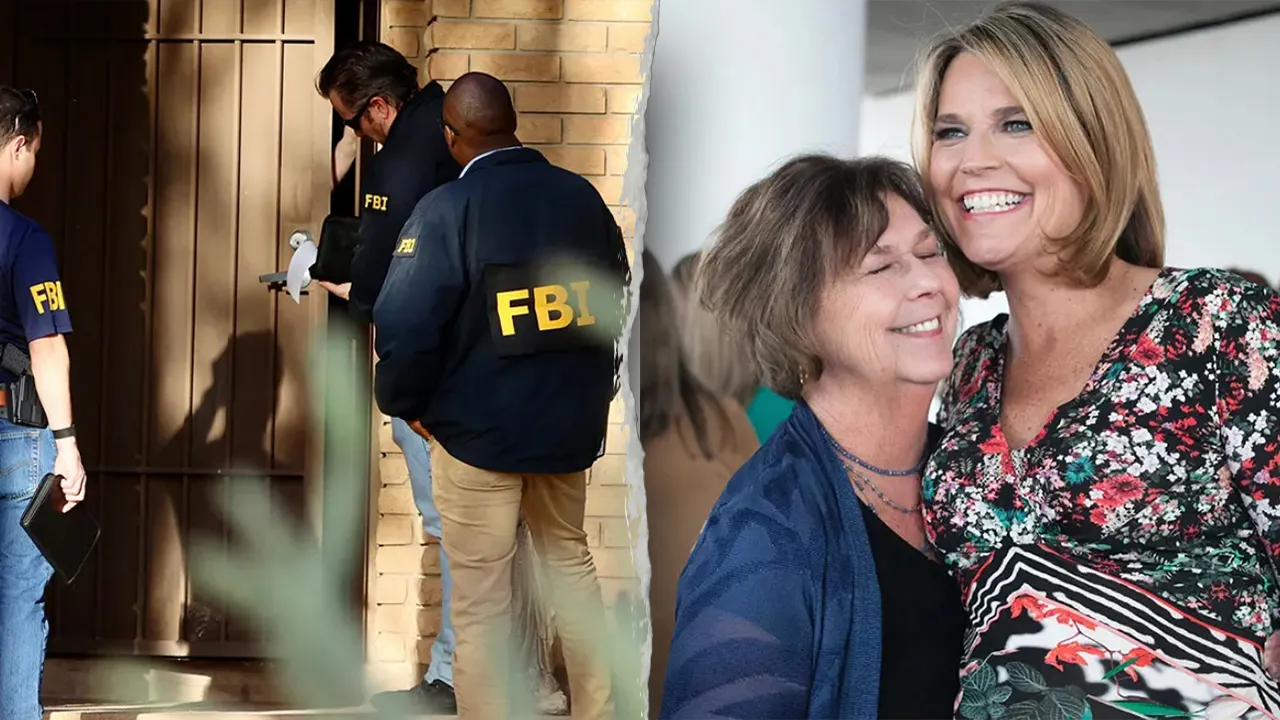
Imagine this: a quiet Tucson neighborhood, a successful real estate agent named Nancy Guthrie known for her vibrant life and close ties to her family, suddenly vanishes from her home in late October. It’s been nearly a week, and a ransom note surfaced, demanding $6 million in Bitcoin—sent oddly through the media instead of direct family contact. The family and authorities are scrambling, offering a $50,000 reward, but as days turn into the ninth with no suspects, experts are starting to question if the kidnapping for ransom theory holds water. On Fox News’ “Hannity,” former FBI Deputy Director Dan Bongino sat down with host Sean Hannity to brainstorm alternative scenarios, drawing from his law enforcement experience to humanize the tragedy and offer fresh perspectives on what might have gone wrong in that upscale home.
Bongino didn’t dismiss the kidnapping possibility outright—it’s always plausible in a high-profile case like this—but he urged viewers to consider other paths this investigation could take. “Picture a typical home invasion,” Bongino explained in that candid, straightforward way of his, like he was sharing a war story from his FBI days. A break-in for valuables turns deadly or disastrous when the homeowner unexpectedly confronts the intruders. Maybe they were just after cash, jewelry, or even drugs in what Grusing later described as a “nice neighborhood”—but Nancy was home, alert and ready to defend herself. Things escalate fast; a struggle ensues, and suddenly, the robbers are dealing with a situation they never planned for. In Bongino’s words, this could be a “crime that went awry,” where opportunistic criminals end up fabricating a ransom demand to capitalize on the chaos, milking the public’s sympathy and media buzz to extort money for something they never committed. It’s a scenario that feels all too real, especially in today’s world where scams exploit fear and headlines.
Shifting gears, Bongino leaned into something even more off-the-wall, encouraging listeners to think beyond crime scenes and bad guys. “What if this wasn’t about kidnapping at all?” he pondered, his voice empathetic, almost philosophical, as if pondering the fragility of life itself. Echoing ideas from medical experts like Dr. Nicole Saphier, Bongino hinted at a medical emergency—a sudden health scare that could explain why Nancy seemed to vanish without a trace. For an elderly woman like her, described by her family as sharp and independent, a rapid-onset issue like a stroke, heart attack, or even a confused state from an infection could have led her to wander off or hide. Bongino pointed out the eerie fact that in such disappearances with no immediate body or clues, it might mean the initial story isn’t the full picture. “We’re taught to find someone quickly if it’s foul play,” he reflected, humanizing the fear in law enforcement lingo—either it’s professionals who vanish traces perfectly, or the whole narrative changes. In a case dragging on without progress, this theory adds an emotional layer: maybe Nancy wasn’t a victim of malice but of something as human as a failing body, her disappearance a silent cry for help rather than a criminal act.
Diving deeper, former Denver FBI agent Jonny Grusing joined the conversation, bringing decades of hands-on experience to validate Bongino’s skepticism about the ransom demands. Grusing agreed that while kidnapping for ransom is a classic motive, the details here just didn’t add up—and he wasn’t afraid to say it could be something entirely different, his tone steady and reassuring amidst the uncertainty. “I’ve seen too many home invasions where things spiral,” he shared, painting vivid pictures from his cases: intruders sneak in expecting an empty house, only to face a homeowner who fights back or collapses from shock. In one real-life parallel he recalled, an innocent person died in their own home; in others, the burglars fled or escalated unintentionally. For Nancy, living in an affluent, supposedly safe area, it could have been bad luck—wrong place, wrong time. Maybe they targeted her for valuables, not kidnapping, and the confrontation turned tragic. Grusing humanized this by noting the human element: “People make mistakes, and violence erupts.” Even if she survived, the intruders might have panicked, hiding her or worse, all while the ransom note became a cover for their original crime. It’s a reminder that behind the headlines, real people with hopes and surprises inhabit these stories.
Grusing didn’t stop there; he picked apart the ransom angle with forensic precision, questioning why the alleged kidnappers played it so strangely. In his experience, real ransom demands come fast and direct—phone calls to the family, urgent negotiations over money that builds pressure. But here, the messages went public through the media, lacking the intimacy and haste of a genuine threat. “It’s disorganized,” he observed, contrasting it with the reportedly “tactical” abduction itself. If the kidnappers were pros enough for a stealthy grab, why botch the payoff? Grusing’s take adds humanity to the puzzle: maybe the whole thing was an afterthought, dreamed up to exploit a viral news story. He also floated another chilling theory from his cases— that they might have hit the wrong door entirely. Picture this: burglars with a mistaken address, bursting in for violence directed at someone else, only to realize their error too late. Nancy became an unintended casualty, her life derailed by a mix-up. Grusing’s stories are laced with empathy, underscoring how random and senseless such encounters can feel, turning a family’s world upside down without rhyme or reason.
Finally, Dr. Nicole Saphier, a radiologist and Fox News contributor, brought a doctor’s perspective to the mix, humanizing the speculation with a mix of hope and realism. Bongino’s medical emergency idea resonated with her, but she tempered it with caution: while slim, it’s possible Nancy had an undocumented condition like cognitive decline from an infection or rapid disease that confused her. “Elderly patients can deteriorate fast,” Saphier explained warmly, drawing from her medical experience, not unlike comforting a worried family member. Even without known issues, a sudden cardiac event or stroke could have struck during what started as a minor intrusion, overwhelming her heart in the initial terror. Saphier imagined the burglars’ shock—planning a quick grab, but facing death right there, forcing them to linger, conceal evidence, or even stage a disappearance. “It wasn’t the plan,” she mused, her words empathetic to both Nancy’s potential ordeal and the perpetrators’ human panic. In weaving these threads, Saphier reminded us that cases like Nancy’s blend crime, chance, and biology, urging patience amid the frenzy. As investigators pore over clues—from floodlights on the property to tech-traced communications—the hope lingers that truth will emerge, restoring peace to a family gripped by fear. This case, still unfolding, challenges us to hold onto humanity in the face of uncertainty.
This narrative captures the essence of the discussions, transforming dry news into a relatable exploration of possibilities, where experts humanize a tragic mystery with their personal insights.