





Behind the frictionless convenience of modern global trade—the shelves stocked with fresh produce, the fuel flowing effortlessly into gas stations, and the consumer goods delivered to our doorsteps within days—lies an invisible army of nearly two million merchant mariners who navigate the world’s oceans. For these civilian workers, the sea has recently transformed from a demanding but peaceful workplace into a terrifying frontline of geopolitical conflict, where they find themselves acting as unwilling and defenseless pawns in disputes they had no hand in creating. Today, thousands of these mariners are trapped in high-risk maritime corridors, particularly in the waters surrounding the Middle East, navigating treacherous channels under the constant shadow of drone strikes, ballistic missiles, and hostile boardings. This crisis is not just a statistical anomaly or a minor disruption to global supply chains; it is a profound humanitarian emergency occurring aboard massive steel giants that have effectively been turned into floating targets. These are not military personnel trained for combat; they are ordinary citizens—fathers, sons, husbands, and daughters working as cooks, engineers, deckhands, and captains—who signed up for a career of hard labor to support their families back home. The sheer vulnerability of these workers highlights a glaring moral failure of the modern global economy, which relies heavily on their sacrifices to keep commerce moving while failing to guarantee their basic safety or secure their release when violence erupts on the high seas. As international tensions flare, the human cost of keeping our world connected is rising to an unsustainable and deeply tragic level, leaving these forgotten workers to face the terror of modern warfare completely unprotected on the open water.
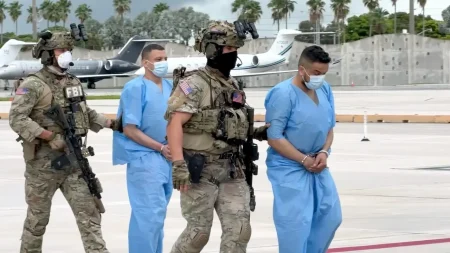
On one specific vessel, a crew of civilian sailors has been held by the Iranian navy for more than three long, agonizing months, living through a slow-motion nightmare that seems to have no end in sight. Since their ship was boarded by heavily armed commandos who descended from helicopters in a terrifying display of military might, these mariners have existed in a state of suspended animation, their daily lives strictly policed by captors who patrol the decks with automatic weapons. The physical conditions of their captivity are grueling, as the intense, stifling heat of the Persian Gulf bakes the ship’s steel hull, turning the interior living quarters into oppressive ovens where the air is thick and heavy. Access to fresh water, nutritious food, and basic medical supplies is strictly rationed, leaving the crew physically weakened, mentally exhausted, and highly vulnerable to illness. Yet, it is the psychological toll that is most devastating; the days bleed into weeks and the weeks into months without any clear indication of when, or if, they will ever be allowed to return home. Deprived of regular, private communication with the outside world, these sailors are left to grapple with a suffocating silence, wondering if their governments have abandoned them or if their employers have written them off as acceptable collateral damage. Every sudden noise, every creak of the ship’s hull, and every heavy footstep on the deck above triggers a fresh wave of panic, reminding them that they are entirely at the mercy of a political regime that views them not as human beings with lives and dreams, but as mere leverage in an international game of political chess.
To truly grasp the tragedy of this crisis, one must look closely at the demographic reality of these modern-day mariners and the dreams they carry with them onto the water. The vast majority of the world’s merchant crews hail from developing nations such as the Philippines, India, Ukraine, and various countries across Africa, where maritime work represents one of the few viable pathways to lift an entire family out of systemic poverty. These men and women endure months of grueling isolation, missed milestones, and the inherent physical dangers of life at sea so they can send remittances home to pay for their children’s college education, build modest houses for their aging parents, or secure a sliver of financial stability for their future. When a ship is seized or trapped in a conflict zone, these hard-earned dreams are abruptly shattered, replaced by a cruel reality where their labor is exploited and their lives are endangered for causes they do not understand and cannot control. It is a profound irony that the very individuals who keep the lights on and the grocery stores stocked in wealthy nations are the ones left most vulnerable when international law breaks down on the high seas. They are the collateral damage of a globalized system that capitalizes on their affordable labor but displays a shocking lack of urgency when it comes to defending their fundamental human rights or negotiating their freedom from state-sponsored captivity, leaving them feeling profoundly betrayed by the very industry they serve.
While the sailors endure the physical and mental hardships of captivity, a parallel tragedy unfolds thousands of miles away in their home communities, where their families are trapped in an agonizing limbo of their own. For the wives, children, and parents of these captured mariners, every day is an exhausting exercise in anxiety, spent waiting by the phone for any scrap of news and scouring the internet for updates on diplomatic negotiations that seem to move at a glacial pace. The brief, heavily monitored phone calls they occasionally receive from the ship are bittersweet lifelines; they offer a fleeting reassurance that their loved ones are still breathing, but they also reveal the unmistakable strain, fear, and hopelessness in the sailors’ voices. Beyond the immense emotional toll, these families are also forced to confront a looming financial catastrophe; with the primary breadwinner detained, many families face immediate poverty, struggling to pay rent, buy basic groceries, or keep their children in school while receiving little to no meaningful support from shipping companies or government bureaucracies. The sense of isolation is overwhelming as these families realize that their personal catastrophes are largely ignored by a world that is far more concerned with the fluctuating price of crude oil and the delayed arrival of consumer goods than the lives of the human beings who transport them. They are left to fight a lonely battle, begging indifferent institutions for help while watching the days tick away, terrified that the next update they receive will be the one they dread the most.
For the thousands of other sailors who have not yet been captured but continue to transit through these high-risk maritime corridors, life has become an exhausting trial of hyper-vigilance and unrelenting terror. Sailing through the Red Sea, the Gulf of Aden, or the Strait of Hormuz now requires crews to constantly scan the horizon and the skies for incoming threats, knowing that a single drone strike, anti-ship missile, or fast-attack boat could instantly turn their vessel into a fiery inferno. The psychological wear and tear of operating under this perpetual threat of violence is immense, leading to chronic sleep deprivation, severe anxiety, and a pervasive sense of helplessness among crew members who possess absolutely no means of defending themselves against military-grade weaponry. They watch helplessly as naval warships patrol the same waters, offering a semblance of protection but also serving as a stark reminder that they are sailing through an active combat zone where the rules of civilian transit no longer apply. The daily work of maintaining a massive vessel—already physically demanding and inherently dangerous—is now compounded by the knowledge that any mistake or unlucky turn of events could result in death or prolonged captivity, leaving these civilian workers to shoulder a burden of risk that should never be asked of any worker in any industry. They sail in silence, hoping that the radar remains clear, yet knowing that they are entirely exposed to the whims of geopolitical actors who view their ships as legitimate targets in a shadow war.
The ongoing maritime crisis in the Middle East is not merely a logistical headache for global shipping conglomerates, nor is it simply a strategic puzzle for naval strategists; it is, first and foremost, a humanitarian emergency that demands the immediate attention and moral outrage of the international community. We cannot continue to treat these civilian seafarers as invisible footnotes in the history of geopolitical conflict, ignoring their suffering as long as our packages arrive on time and our energy supplies remain stable. The international community, through organizations like the United Nations and the International Maritime Organization, must move beyond issuing lukewarm condemnations and instead take decisive, coordinated action to protect these vulnerable workers. It is time for world leaders, international maritime organizations, and multinational corporations to prioritize human lives over commercial interests, using every diplomatic, economic, and legal lever at their disposal to secure the immediate release of the captive crews and to establish genuinely safe transit corridors. We must listen to the voices of the sailors trapped on these ships and the pleas of their desperate families, recognizing our shared humanity and our collective responsibility to those who keep our global society functioning. We cannot allow shipping lanes to become lawless zones where civilian workers are snatched from their workplaces with impunity. Only by refusing to normalize this state of lawlessness and violence on the oceans can we hope to restore dignity, safety, and justice to the forgotten workers of the sea, ensuring that no one else has to sacrifice their freedom or their life just to earn a living on the water.