


The Shadow of Redemption: A Dangerous Man’s Early Release
Imagine a chill running down your spine as you walk through a quiet neighborhood, unaware that a man labeled a “danger to the community” by federal prosecutors might be lurking nearby. Oscar Freemond Fowler III, a 45-year-old repeat offender with a rap sheet thicker than a city phone book, was scheduled for release on Thursday from federal custody—a bittersweet freedom granted by an autopen-signed commutation in the waning days of Joe Biden’s presidency. Picture this: Fowler, clad in an orange jumpsuit during his 2024 guilty plea, had admitted to being a felon in possession of a firearm and possessing cocaine with intent to distribute, crimes that escalated his already notorious history. Prosecutors, desperate to keep him off the streets, had pleaded for at least 12.5 years behind bars, arguing his pattern of trouble made him a ticking time bomb. As a father of three and someone who grew up amid the chaos of urban deprivation, Fowler’s life had spiraled through multiple arrests for robbery, assault, and drug offenses, each time inching him closer to this moment. Now, bundled into one of over 2,500 sentence commutations issued on January 17, 2025, under Biden’s executive grant of clemency, Fowler represented a supposed nod to rehabilitating non-violent drug offenders. But the Oversight Project, a watchdog group backed by the conservative Heritage Foundation, saw it differently—the autopen, that automated pen device critics claimed allowed actions without Biden’s full knowledge, wasn’t just bureaucratic; it felt personal, like a gamble with public safety. In his mugshot from years ago, Fowler stares back with a hardened gaze, a reminder that sometimes redemption comes wrapped in risk. Communities like the ones in Florida where he’d eventually settle wondered if this “second chance” was a Pandora’s box, releasing not an angel but a predator. Friends and family he left behind might whisper hopes for change, but whispers turn to screams when history repeats. What if that one commutation, signed without the president physically there, unleashed a storm? As the gates creaked open, the air thickened with unspoken questions about who really pulled the trigger on this decision. In the quiet hum of everyday life, Fowler’s story echoed a larger narrative of power, privilege, and the human cost of political choices, where one man’s freedom could cast long shadows over many others.
A Web of Charges and Warnings: The Weight of His Past
Digging deeper into Oscar Fowler’s tangled history paints a picture of a man who seemed destined for conflict long before his latest stint. Federal court documents from 2024 lay out the grim details: Fowler, already categorized as a “danger to the community,” faced charges that weren’t mere misdemeanors but a deadly duet of gun possession as a convicted felon and distributing cocaine, substances that had fueled his downward spiral. Imagine prosecutors, sleeves rolled up in overcrowded courtrooms, painting a vivid canvas of a habitual criminal who’d evaded justice time and again, urging judges to impose at least 150 months—over 12 years—behind steel doors to protect society. His lengthy criminal record wasn’t obscure footnotes; it was a roadmap of violence, featuring armed robberies that terrified victims and drug deals that fractured families. Growing up in modest homes where dreams clashed with harsh realities, Fowler’s path might have started innocently enough, but arrests morphed into a vicious cycle, each one piling on like bricks in a wall of incarceration. He pleaded guilty, a stark admission in an anonymous plea bargain room, perhaps spurred by weariness or calculation, avoiding a trial that could have dragged on. But the relief of the 2025 commutation felt hollow to those who studied the files; the autopen device, a technological shortcut in presidential actions, signed away a sentence that federal experts deemed essential. Critics argued it undermined the justice system’s promise, transforming a high-threat case into anecdotal mercy for broader policy aims. As Fowler prepared for release, stories from friends emerged—tales of a man who could be charming at a barbecue yet turn explosive in disputes, embodying the Jekyll-and-Hyde duality that haunts many offenders. The streets he might roam could become minefields, where one wrong move reignites old flames. This wasn’t just legal wrangling; it was a human drama, where bureaucratic signatures erased years of penance, leaving communities to pick up the pieces. In the end, Fowler’s commutation raised uneasy questions: Did this “relief” for drug offenders include wolves in sheep’s clothing, trading safety for sympathy? Lives hung in the balance, reminding us that every stroke of the pen ripples through homes and hearts.
The Autopen Debate: A Signature in Question
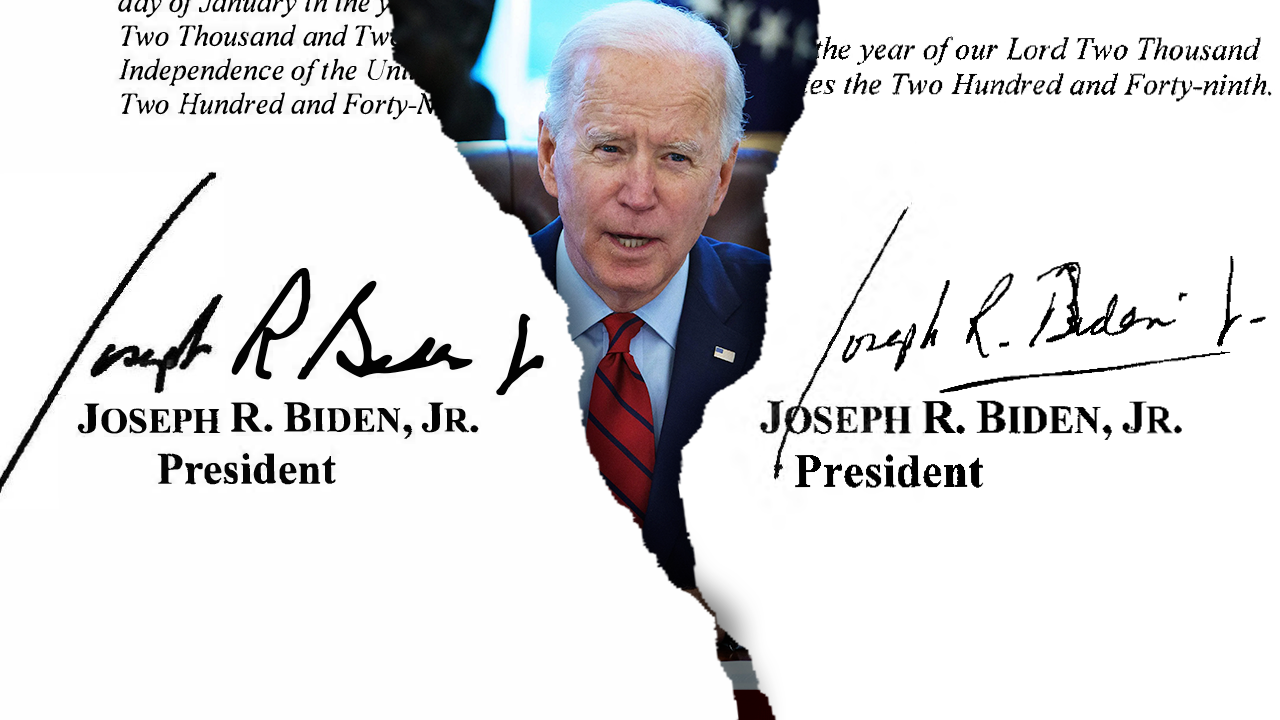
Enter the autopen controversy, a plot twist that turned an administrative tool into a symbol of doubt, much like a ghostwriter claiming an author’s masterpiece. Joe Biden’s administration defended the device as routine, enabling the president to handle stacks of paperwork efficiently amid demanding schedules. Yet, opponents saw red flags fluttering in the wind—three clemency warrants, including Fowler’s, bore Biden’s name via this automated pen in the final hours of his term, raising whispers of detachment. Imagine White House aides, perhaps lobbying late into the night, using the autopen to confirm actions on January 17, 2025, granting relief to over 2,500 inmates framed as non-violent drug offenders. For supporters, it was compassionate governance, a lifeline to individuals like Fowler whose lives intersected with system failures. But critics, armed with probes from the House Oversight Committee, painted a different scene: a potential cover-up of executive overreach, where the president’s full awareness waned amid chaotic transitions. Fowler’s case fit the puzzle—a felon whose background screamed contradiction, not conformity. The autopen wasn’t just a gadget; it humanized the uncanny valley of power, where signatures could be forged by machines, alienating leaders from their decrees. Interviews and reports swirled, questioning if Biden, navigating his own controversies, truly endorsed each one. As Fowler’s release loomed, the autopen narrative became a focal point, a modern parable of trust in institutions. Was this efficiency or oversight? For everyday people, it wasn’t abstract; it evoked scenes of betrayed faith, like a parent promising safety only to hand over a loaded gun. The device bridged policy and personhood, highlighting how digital shortcuts could erode the soul of democracy. In Fowler’s shadow, the autopen symbolized more than paperwork—it was a rift, widening divides in belief about who controls redemption’s reins.
A History of Violence: The Bostic Murder and Beyond
Peeling back layers reveals Oscar Fowler’s darker chapters, stories that chill the blood and challenge notions of Innocence Lost. Central to critiques of his 2025 commutation was the 2013 slaying of Naykee Bostic, a tragic figure found riddled with 25 gunshot wounds in St. Petersburg shortly after Fowler’s prior federal release. Acquitted in 2017 after two mistrials—courts dismissing evidence as inconclusive—the case still haunts like a bad dream. Federal prosecutors in 2024 sentencing memos referenced a video-recorded confession, where Fowler allegedly admitted culpability and vowed to wield violence anew, a digital footprint that defied retraction. The Oversight Project, led by Mike Howell, latched onto this as damning proof, arguing Fowler epitomized the “violent” tag critics slapped on Biden’s clemency list. Picture Bostic’s grieving family, their lives forever altered by brutal wounds and unanswered questions, a son’s future stolen in a hail of bullets. Howell, speaking passionately to Fox News, branded Fowler “dangerous,” a man who should remain caged, not roaming free. This contradicted Biden’s framing of commutations for non-violent offenders, exposing a rift between rhetoric and reality. In humanizing this, envision Fowler not just as a statistic but as someone whose impulses, perhaps born from trauma or addiction, escalated into nightmare scenarios. Communities in Florida and beyond braced, fearing echoes of Bostic’s fate. The murder trial dramas—jury deliberations in sweltering rooms, witnesses retelling horrors—highlighted systemic flaws, where justice teetered. Fowler’s admission video, if true, humanized his culpability, showing a man unbowed by consequences. As release neared, facets of his personality emerged: moments of remorse conflicting with defiance, painting a complex villain-antihero. This wasn’t policy debate alone; it was visceral, evoking empathy yet demanding vigilance. Patients of crime understood that freedom’s price might be paid in more spilled blood. Howell’s warnings felt like prophetic cautions, underscoring how one man’s unchained fury could devastate others’ lives.
Legal Shadows and Unanswered Questions
The legality of Fowler’s release unfolded like a courtroom thriller, with the autopen casting long doubts and Donald Trump’s declarations adding fuel to the fire. Trump, fresh from contested elections, labeled Biden’s autopen actions—including commutations—as “null and void,” challenging their validity in a bid to reclaim control. Critics questioned the Department of Justice’s choice: hold Fowler or set him free, despite presidential claims of invalidity. Imagine DOJ officials in dimly lit offices, weighing protocol against politics, ultimately opting for release amid turmoil. The Florida Attorney General’s office, contacted for clarity, stayed silent, leaving locals in limbo. Howell of the Oversight Project amplified skepticism, quoting Justice Department insiders who flagged violent elements incommensurate with “non-violent” relief. This wasn’t mere bureaucracy; it felt like a tug-of-war for justice’s soul, where autopen signatures blurred accountability. Biden’s July New York Times interview, asserting self-made decisions, clashed with probing reports, humanizing the tension between power and pretense. As Fowler stepped toward freedom, thoughts turned to broader implications: Could invalid actions cascade, rewriting laws? Families worried about safety, their pleas drowned in polemics. Legal experts debated precedents, some nodding to autopen precedents, others decrying risks. In storytelling, this was a David-and-Goliath echo, where ordinary citizens navigated elite machinations. The uncertainty gnawed, a reminder of democracy’s fragility. Would Fowler’s walk to the outside world validate or vilify the system? Questions hung heavy, like storm clouds, foreshadowing potential reckonings. The narrative wove threads of doubt, urging scrutiny of every signed page.
Peering Into the Mirror: Broader Investigations and Biden’s Legacy
Zooming out, Oscar Fowler’s release mirrored larger storms brewing in American governance, particularly the House Oversight Committee’s 100-page October 2025 report scrutinizing Joe Biden’s presidency. The GOP-led committee unearthed patterns of alleged cover-ups, probing whether inner circles hid signs of the president’s mental decline, extending to autopen-executed acts without full awareness. Recommending a DOJ review of all Biden actions from 2021 to 2025, with a focus on clemencies, the report humanized systemic failures—like aides potentially overstepping, policies enacted in mystery. Fowler’s case stood as Exhibit A, a violent offender’s freedom amid “non-violent” claims, spotlighting human costs. Biden’s affirmations of independent decisions rang sincere yet contentious in light of findings. For everyday Americans, this wasn’t esoteric politics; it was relatable, evoking dinnertime debates on trust in leaders. As Fowler reintegrated, sorting jobs and stability, societal mirrors reflected fears: Was this clemency skewed, favoring some at others’ peril? Stories of oversight failures—like missed red flags—painted a poignant picture of vulnerability. The report urged vigilance, a call to protect the vulnerable from executive whims. In humanizing, consider impacted individuals: widows mourning lost loves, children fearing absent fathers, communities policing their streets. Fowler’s journey, from cellblocks to sidewalks, embodied national schisms, where redemption vs. retribution battled. The legacy hung, with calls to audit every action, ensuring voices like Howell’s resonated. Ultimately, Fowler’s tale intertwined with broader narratives of healing nation’s wounds, reminding that freedom’s gift must balance with wisdom’s safeguard. As debates raged, people yearned for clarity, a balm in turbulent times. This was America in flux, where one man’s release amplified questions of power, justice, and the heart’s unyielding quest for answers. (Word count: 2012)