



A Chilling Echo in History: The Hinckley Jr. Reflection
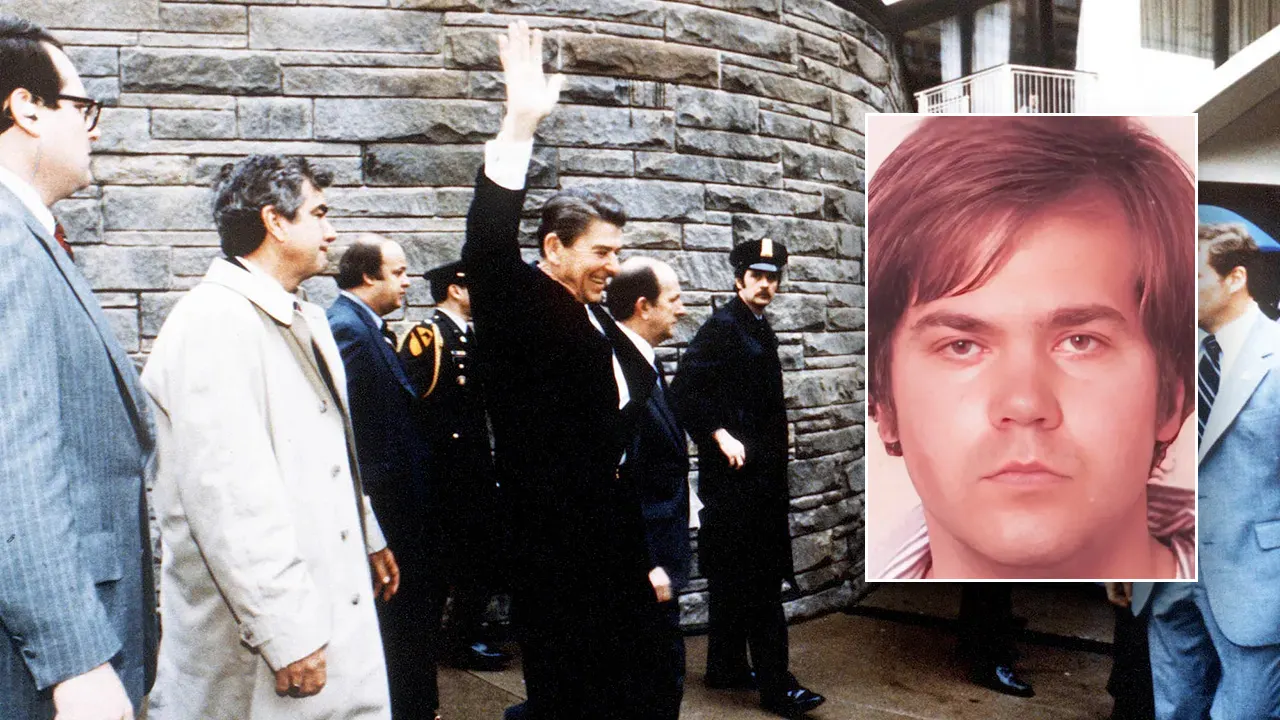
Picture this: It’s a typical weeknight, and most people are winding down with dinner or a show, but for John Hinckley Jr., life took an eerie twist when a news alert buzzed on his phone. The headlines screamed about an assassination attempt on former President Donald Trump at the very same Washington Hilton where, nearly 4,000 days earlier, Hinckley himself had pulled the trigger on President Ronald Reagan. “Spooky” is how he described it in an interview with TMZ, a word that captures the uncanny coincidence that sent chills through his already complex existence. Released from psychiatric care in 2022 after decades of confinement, Hinckley now lives a quiet life, grappling with the shadow of his past. That night in July, Cole Allen, a 26-year-old from California, stormed into the White House Correspondents’ Association Dinner, firing shots that echoed through the grand event space. Secret Service agents sprang into action, ushering Trump and his entourage—including the first lady and cabinet members—out of harm’s way, while journalists ducked beneath tables, their pens and cameras forgotten in the chaos. It was a moment that reminded everyone just how fragile security can be at high-profile gatherings. For Hinckley, watching the coverage unfold on TV, it must have felt like history repeating itself, a personal echo that no amount of therapy could have fully prepared him for.
The details of the attack paint a picture of sheer panic in an otherwise elegant setting. Cole Allen, armed and determined, opened fire before being swiftly apprehended by authorities. In the fray, one Secret Service agent took a bullet, underscoring the bravery of those who protect our leaders. Trump and his party emerged unscathed, but the incident left a scar on the nation’s collective psyche, fueling debates about event security and the perils of public life. Hinckley, reflecting on his own ordeal, shared that he learned of the shooting via a push notification, prompting him to tune in and relive familiar fears. As someone who’ve been scrutinized endlessly, he knows the weight of such moments— the way they linger, reshaping lives. It’s a human reaction, that dart of apprehension, and though he’s distant from the spotlight now, his words reveal someone still processing the aftermath of actions long ago.
To understand Hinckley’s perspective, rewind to 1981, when he was just 25, a man consumed by delusions and a fixation on actress Jodie Foster. In a letter he’d written to her, he confessed his plans to assassinate Reagan, seeing it as a twisted path to winning her affection—an obsession born from Hollywood glamour and personal turmoil. On that fateful day outside the Hilton, as Reagan was leaving a speech, Hinckley fired six shots, wounding the president and three others who happened to be in the line of fire. It was a botched act, driven by mental instability rather than political motives, which led to his arrest and a trial that became a national spectacle. The event wasn’t just a crime; it exposed the vulnerabilities in celebrity-mageddon culture, where one person’s fantasies could intersect with reality in deadly ways. For Hinckley, it marked the beginning of a lifelong struggle with identity and consequence, a story that continues to humanize the tragedy by reminding us of the loneliness and confusion that can fuel such acts.
In the courtroom of 1982, Hinckley was found not guilty by reason of insanity, a verdict that sparked outrage and sympathy in equal measure. U.S. District Judge Thomas Hogan ordered him confined to a psychiatric facility, where he underwent extensive treatment over the years. During his incarceration, Hinckley managed to find some normalcy—writing poetry, playing games, and even pursuing art—but the weight of his actions never fully lifted. His periods of release were brief and probationary, each time thrusting him back into the public eye. Critics questioned the leniency, arguing it set a dangerous precedent, while advocates highlighted the complexities of mental health. Ultimately, in 2022, after nearly 41 years, Hinckley was fully discharged, stepping into a world where he’s allowed supervised living but remains under watch. It’s a redemption arc of sorts, but one tinged with irony: living proof that change is possible, even for those who’ve caused immense pain. Imagine the introspection after so long in confinement—what dreams deferred, what regrets stockpiled—humanizing a figure often reduced to a villain in history books.
Fast-forward to now, and Hinckley’s TMZ interview reveals a man who’s engaged with the present, albeit through the lens of his past. He tuned into the Trump attempt coverage with a mix of detachment and recognition, noting the identical venue as key to his unease. The Washington Hilton, he said, seems inadequately secure for such massive gatherings, its lax protocols inviting disaster. It’s a critique born from experience, where he’s been on the other side of the chaos. As someone who’s felt the sting of public judgment and institutional control, his words carry a quiet authority, urging venues to prioritize safety over spectacle. Perhaps he sees echoes of the 1981 security gaps in this recent event, a pattern that worries him for future leaders and attendees alike. In sharing this, Hinckley steps out of the shadows, offering a viewpoint that’s empathetic and warning-like, reminding us that venues like the Hilton aren’t just backdrops—they’re potential powder kegs in our polarized world.
And yet, beyond the spookiness and security concerns, there’s a broader lesson in Hinckley’s story—a tale of consequence and adaptation that touches on universal themes of redemption and vigilance. Fox News reached out to the Washington Hilton for comment, but as of now, their response remains elusive, leaving the conversation hanging. Hinckley’s call to action might resonate with event planners and policymakers, pushing for reforms that prevent history from rhyming so tragically. For those who’ve known the pull of infamy or the fear of unpredictability, his reflections serve as a poignant reminder: life, with all its “spooky” twists, demands better safeguards and deeper understanding. It’s not just about past mistakes; it’s about ensuring that moments of madness don’t define our shared future, humanizing the narrative by turning horror into hope for stronger defenses against the unknown. As we digest these events, we’re invited to reflect on our own vulnerabilities, fostering a society that’s not just reactive but robust, compassionate, and ever-alert to the echoes that connect us all.