

Federal Prosecutors Dismiss Defense Claims in High-Profile Murder Case
In the unfolding legal drama surrounding accused assassin Luigi Mangione, federal prosecutors have firmly rejected what they describe as “meritless” arguments from the defense team. Mangione’s lawyers had claimed that Attorney General Pam Bondi should recuse herself due to alleged conflicts of interest stemming from her previous employment at Ballard Partners, a lobbying firm with connections to UnitedHealthcare—the company whose CEO, Brian Thompson, was the victim of the alleged assassination. The defense’s motion suggested that Bondi’s decision to pursue the death penalty against Mangione was influenced by these prior professional relationships, stating that “the very first defendant she personally selected to be executed was the man accused of killing the CEO of her former client.” However, prosecutors countered by describing these allegations as both “incomplete and misleading,” emphasizing that Bondi no longer works for the firm, receives no compensation from them or their clients, and that the decision to seek the death penalty was not influenced by any “corporate interests.”
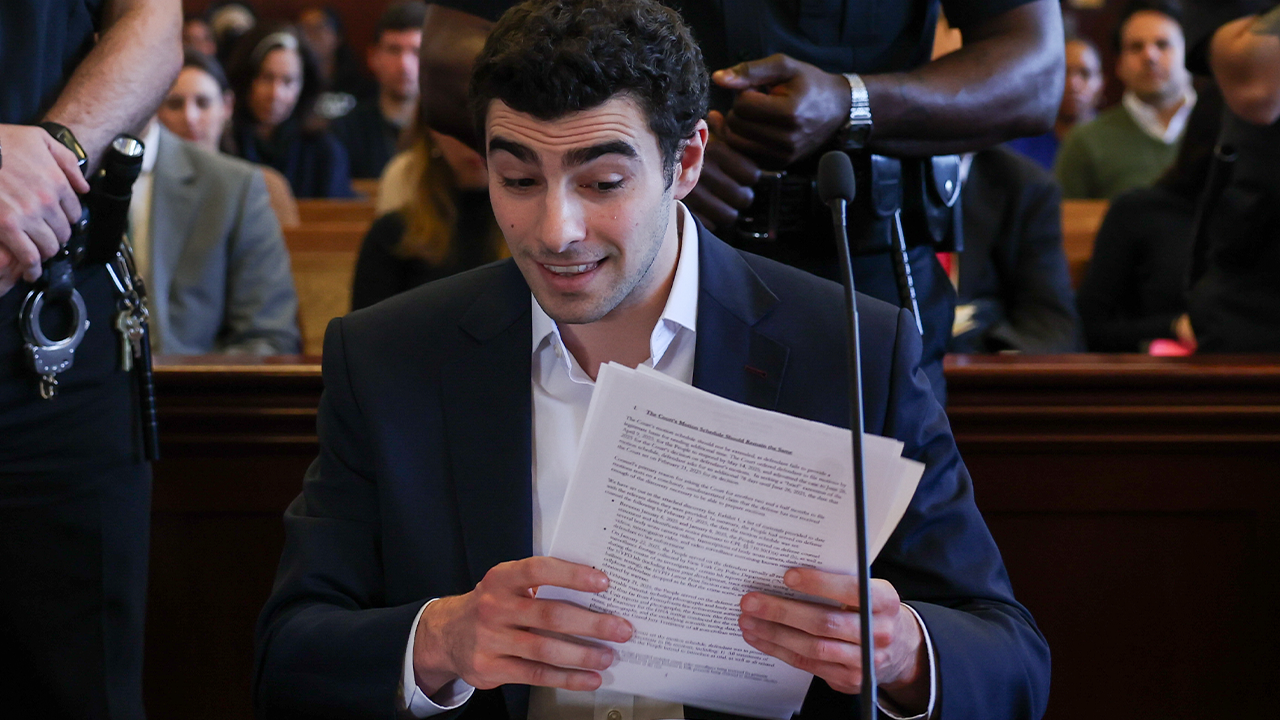
As Mangione prepares for his upcoming status conference in federal court, several critical legal issues remain unresolved. While his defense team has abandoned their initial motion to suppress statements made to police before and after his arrest at a Pennsylvania McDonald’s, they continue to fight against the admission of evidence recovered from Mangione’s backpack, which was searched without a warrant. This evidence reportedly includes the suspected murder weapon and journals containing potentially incriminating content. The prosecution maintains that these items would have “inevitably been discovered” even without the immediate search by Altoona police. Legal experts observing the case have noted that police typically don’t need warrants when searching bags during an arrest, though the defense has requested a separate evidentiary hearing to address this matter—a request that prosecutors argue is unnecessary.
The legal strategy of Mangione’s team has evolved in recent days, with Maryland-based appellate attorney Paresh Patel joining as special counsel for the upcoming hearing. The defense is now focusing on attempts to dismiss two of the four federal charges against Mangione, including the most serious count of murder through use of a firearm. This strategic pivot suggests that the defense may be concentrating its efforts on reducing potential penalties rather than contesting all aspects of the prosecution’s case. The gravity of these legal maneuvers reflects the high-stakes nature of the proceedings, as Mangione faces the possibility of capital punishment if convicted on all counts.
The case has attracted significant public attention due to both the profile of the victim and the brazen nature of the alleged crime. Surveillance footage reportedly shows a man approaching Thompson, a 50-year-old married father of two from Minnesota, from behind before shooting him outside a Manhattan hotel that was scheduled to host a shareholder conference later that same morning. The seemingly targeted nature of the attack against a prominent healthcare executive has raised questions about motive and planning, elements that will likely feature prominently as the case proceeds to trial. The prosecution’s evidence collection and the defense’s challenges to that evidence will play crucial roles in determining how the narrative of this case unfolds before a jury.
As the legal proceedings continue, the tension between prosecutorial power and defense rights is being showcased through the arguments over Attorney General Bondi’s involvement. The defense’s allegations of bias and conflict of interest represent an attempt to question the fairness of the prosecution at its highest levels, suggesting that personal or professional connections may have influenced the decision to pursue the most severe penalties available under law. While prosecutors have dismissed these claims, the very nature of such arguments highlights the intensely adversarial character of high-profile federal cases, particularly those involving potential capital punishment. The court’s handling of these motions will set important precedents for how conflicts of interest are evaluated in similar cases going forward.
Beyond the technical legal questions, this case touches on broader themes of corporate power, violence, and justice in American society. The alleged assassination of a healthcare CEO raises uncomfortable questions about tensions surrounding the healthcare industry, though no clear motive has yet been established in public documents. As the case proceeds toward trial, both prosecution and defense will need to navigate complex legal issues while also telling compelling narratives about what happened and why. For now, as Mangione faces his next court appearance, the focus remains on evidentiary matters and procedural questions that will shape the contours of a trial that promises to be closely watched by legal observers and the general public alike.