


The Unfolding Case Against Luigi Mangione: From McDonald’s Recognition to Courtroom Battles
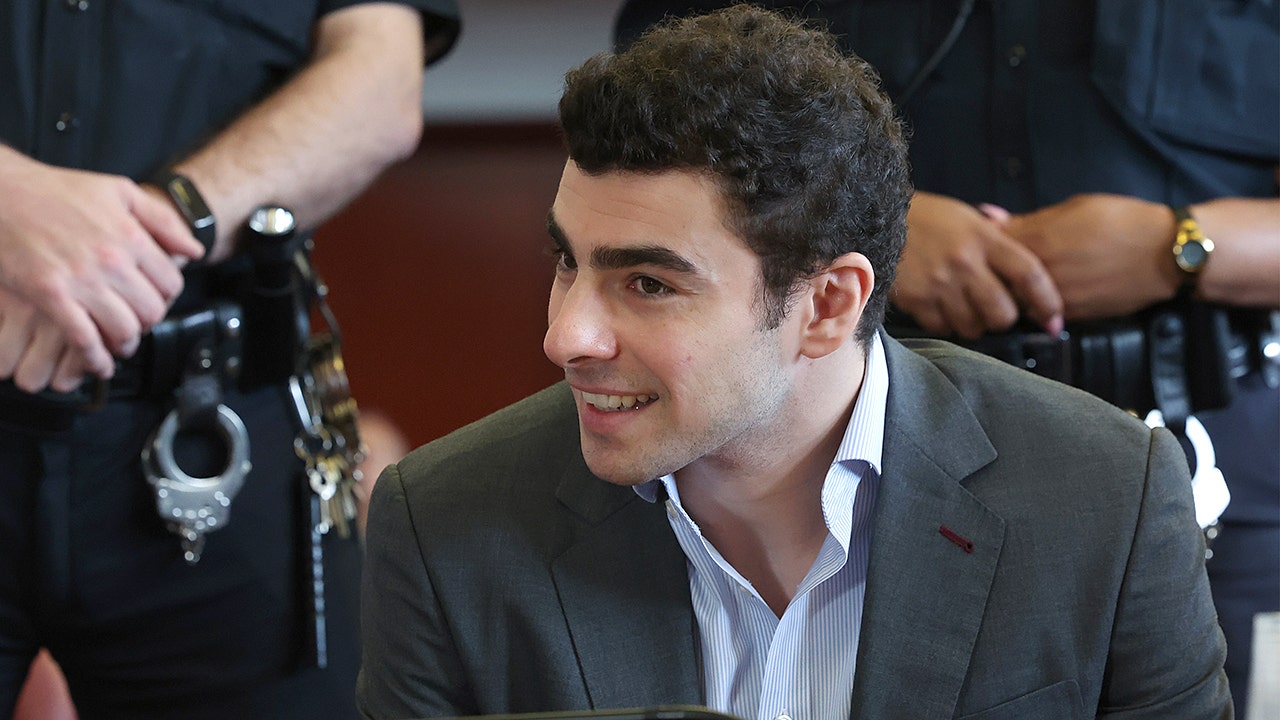
Luigi Mangione returned to Manhattan Criminal Court for the seventh consecutive day of pre-trial hearings, as prosecutors and defense attorneys debate which evidence will be admissible in his upcoming murder trial. Mangione stands accused of killing UnitedHealthcare CEO Brian Thompson in a case that has garnered national attention. Recently released body camera footage from his December 9, 2024, arrest in Altoona, Pennsylvania shows police repeatedly warning Mangione that continuing to use a fake name would only compound his legal troubles. This detail emerged as part of an ongoing examination of whether the evidence collected during his apprehension was obtained legally—a critical factor that could significantly impact the prosecution’s case.
The circumstances of Mangione’s arrest began at a McDonald’s in Altoona, where an attentive employee recognized him and alerted management, who then contacted authorities. Body camera footage reveals the initial interaction, with an officer approaching Mangione and informing him that he had received a call about someone looking “suspicious.” When questioned, Mangione identified himself as “Mark Rosario” and presented what would later be determined to be fraudulent identification. The 911 call, also presented during the hearing, captured a McDonald’s manager telling the dispatcher: “I have a customer here that some other customers were suspicious of, that he looks like the CEO shooter from New York.” This moment of recognition in a small-town fast food restaurant led to the apprehension of a man wanted in connection with a high-profile murder case.
A significant portion of the pre-trial hearings has focused on the search of Mangione’s backpack following his arrest. Defense attorney Karen Friedman Agnifilo has challenged the legality of this search, arguing that police should have obtained a warrant before examining the contents of his bag. Video evidence presented in court captured an exchange between officers at the scene, with one stating, “We probably need a search warrant at this point,” while another responded, “It doesn’t matter. He is under arrest for a crime here, so we can search,” referring to Mangione’s arrest for possessing fake identification. Altoona Police Lieutenant William Hanelly testified that a warrant wasn’t necessary due to what he described as a “warrant exception,” as Mangione was already in custody for using a fake ID when the bag was searched. This legal debate over Fourth Amendment protections could potentially lead to key evidence being excluded from trial.
Prosecutors have released several photographs of items in Mangione’s possession at the time of his arrest, including identification documents, credit and debit cards, and what appears to be an escape route mapped from Pittsburgh to Cincinnati. These items potentially offer insights into Mangione’s activities and intentions following the alleged murder of Brian Thompson. The prosecution likely views these possessions as crucial evidence demonstrating consciousness of guilt and premeditation—factors that could strengthen their case against Mangione. However, if Judge Maxwell Wiley determines that the backpack search violated Mangione’s constitutional rights, these items may be excluded from evidence, potentially undermining key elements of the prosecution’s narrative.
The interaction between Mangione and law enforcement, as captured on body camera footage, reveals the tense moments leading up to his arrest. When approached by police, Mangione appeared apologetic, saying “I’m sorry” before looking down at his phone. Officers informed him that he had been reported by someone who “thought [he] looked like someone.” This initial contact quickly escalated as officers became suspicious of his identification. Lieutenant Hanelly’s testimony included his recollection of warning Mangione that continuing to use a false name would only add to his legal problems—a warning that seemingly went unheeded. These details paint a picture of a suspect attempting to evade capture by assuming a false identity, only to be recognized and reported by observant citizens.
As the pre-trial hearings continue, Mangione faces numerous state and federal charges related to the alleged murder of Brian Thompson. The legal battle over evidence admissibility represents just one facet of what promises to be a complex prosecution. The case has captured public attention not only because of the high-profile victim but also due to the dramatic circumstances of Mangione’s apprehension—recognized in a McDonald’s and arrested after presenting false identification. The outcome of these evidentiary hearings will significantly shape the prosecution’s strategy moving forward, potentially determining which narrative of events jurors will ultimately hear when the case goes to trial. For now, both sides continue their meticulous examination of every detail surrounding Mangione’s arrest, with each piece of evidence potentially tipping the scales of justice in this high-stakes murder case.