

In a quiet residential corner of Philadelphia’s Olney neighborhood, the kind of place where neighbors know each other by name and children play on the sidewalks after school, an ordinary-looking home has become the center of a nightmare. The property on Chew Avenue belonged to Raymond “RC” Horsch, an 82-year-old man who died last year, leaving behind a legacy that was already disturbing—a career built on brutally themed pornography and self-published books that reveled in graphic violence. But the true horror of what may have happened inside those walls only began to surface this summer, after Horsch’s 44-year-old son, Eugene Horsch, was arrested on charges involving unlawful firearms and forgery. What police discovered during that investigation was so dark, so methodically cruel, that experts now wonder whether they have stumbled upon something far larger than one man’s twisted compulsions: a possible network of people who collect and distribute the most depraved material imaginable. As investigators sift through more than a million pieces of digital evidence—photographs, videos, documents—the case has transformed from a local crime story into a probe that could expose a hidden underworld of sadism, profit, and death.
The man at the center of this unfolding mystery, RC Horsch, was not just a pornographer; he was a convicted producer of methamphetamines and the author of sexually explicit, violent books that read like instructions for murder. One of his works, a 2014 volume titled Empathy, contains a chapter that chillingly describes dissolving a murdered woman’s body using boiling chemicals. It is a detail that now haunts investigators, because when they searched the Horsch home, they did not just find disturbing writings—they found a drum of chemicals connected to the home’s water system, raising the possibility that such a gruesome fantasy was not fiction but an actual method used to erase evidence. The elder Horsch died before any of this came to light, leaving his son to face the consequences of a hidden world built over decades. Eugene Horsch’s June arrest, which initially seemed to be a routine matter involving illegal weapons and forged documents, cracked open a case that now involves seven missing women, at least five of whom are believed to be dead. And yet, as of now, no homicide charges have been filed—leaving prosecutors to painstakingly build a case from the mountain of evidence still being analyzed.
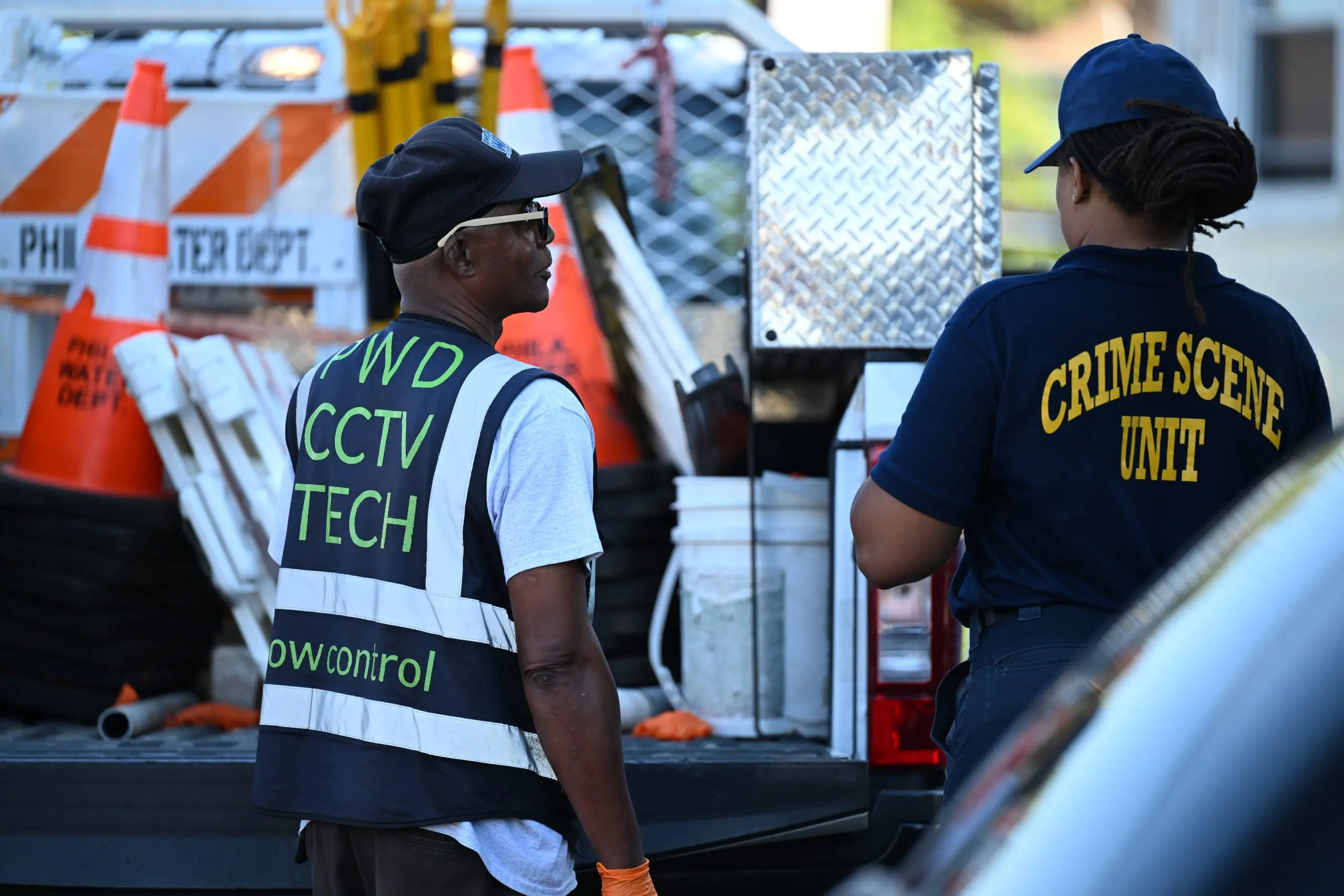
Perhaps the most disturbing revelations are the videos. Inside the home, police allegedly discovered what they describe as “snuff” films—recordings that appear to show the torture and murder of real human beings. The footage is believed to depict several of the missing women, captured in their final moments. The sheer volume of material is staggering: more than a million pieces of digital evidence, of which less than a third has been reviewed. Investigators have already identified four of the missing women in these images, two of whom have been publicly named: Gabrielle Amarando and Maribel Fresses. The knowledge that these women may have been victimized not just once, but repeatedly, as their suffering was recorded and potentially shared, adds a layer of cruelty that is almost impossible to comprehend. For the families of these women, the wait for answers has become a living nightmare, worsened by the realization that their loved ones’ stories may have been exploited as entertainment for a hidden audience. Meanwhile, nearby residents watch as excavation crews dig beneath and around the home, searching the sewers for remains, each day bringing new questions and no sense of closure.
The forensic psychologist Dr. Kris Mohandie, a board-certified expert with decades of experience studying violent offenders, has been following the case closely. In speaking about the evidence, Mohandie said the investigation could take a far darker turn if the sadistic images were not merely private trophies but products for distribution. “The fact that the father was involved in the pornographic industry indicates that there may have been, in addition to the sadistic motives that we usually see in serial murders, that there may have been profit in distribution of so-called snuff films,” he explained. Mohandie emphasized that the alleged crimes may include abduction, rape, and torture—things “that sadistic offenders will do to victims”—but the possibility that these acts were filmed and circulated to underground networks adds a shocking commercial dimension. “This may very well also have been a participation in distributing so-called snuff films to underground networks of people that are into this stuff,” he said. “It’s scary, and I’m hoping that the investigators are able to resolve some of those questions.” His words capture the apprehension felt by everyone following the story: what if this wasn’t just the work of one deranged family, but a link in a chain of consumers and collectors who trade in death?
The deeper investigators dig, the more tangled the web becomes. At the time of Eugene Horsch’s arrest, authorities allege that a woman accompanying him was carrying the identification of one of the missing women—a detail that suggests a connection not just between the Horsch property and the victims, but possibly between Eugene and the active pursuit or control of these women. Yet the younger Horsch has not been charged with any crimes related to the missing women. He remains the focus of the firearms and forgery charges, while the investigation into the disappearances continues to expand. It is a frustrating situation for those who want justice, but it also reflects a careful, methodical approach by law enforcement. With such a vast trove of evidence, investigators must proceed slowly, ensuring that every piece of digital material is verified, every victim identified, and every possible accomplice or associate brought into focus. The review process is painstaking, and the emotional toll on the detectives involved cannot be overstated. Each image and video they examine reveals another level of human depravity, another life cut short, another family destroyed.
This case is a reminder that darkness can exist behind the most unassuming doors. A father who wrote books about dissolving bodies is dead, but his legacy has become a forensic nightmare. A son who was arrested on relatively minor charges is now at the center of a potential serial killer investigation. And dozens of women—some missing, some confirmed dead—have become names in a case that grows more horrifying with every revelation. Amazon and Goodreads have removed RC Horsch’s books from their platforms, but that is a symbolic gesture in the face of such overwhelming tragedy. The true work lies ahead: reviewing the endless stream of evidence, excavating the home and sewer lines, tracing the distribution of horrific material, and answering the question that haunts every true crime follower: how many victims were there, and who else was involved? For now, the investigation remains open, the families of Gabrielle Amarando and Maribel Fresses wait for answers, and the Olney neighborhood—and the nation—watches in horror as the full scope of this case slowly unfurls. In the end, this is not just about one home on Chew Avenue. It is about the lives of missing women, and the hope that even in the most hopeless circumstances, justice will prevail.