


Here is a summarized and humanized exploration of the Penn State fraternity cocaine ring bust, expanded into six substantial paragraphs, capturing the full scope of the allegations, the characters involved, and the modern, digital underworld they allegedly operated within.
—
The pristine, sun-drenched lawns of Penn State’s campus, long synonymous with school pride, football Saturdays, and the carefree energy of youth, have been shattered by a scandal that paints a much darker picture of collegiate life. What began as a routine investigation has exploded into a sprawling, multi-defendant criminal case, alleging that a sophisticated cocaine trafficking ring operated openly within the university’s fraternity system. At the heart of the bust are allegations that these young men, ranging from fresh-faced underclassmen to a 24-year-old alleged mastermind, used the very same tools that define their generation—fintech apps like Cash App and ephemeral messaging platforms like Snapchat—to conduct a profitable and dangerous drug enterprise. The court complaints unsealed in the case detail a network of transactions involving the purchasing, packaging, transportation, and distribution of cocaine, implicating at least thirteen individuals. For the students, faculty, and parents following the case, the images are jarring: police reports juxtaposing the casual swipe of a smartphone for a digital payment with the heavy consequences of federal and state narcotics charges, turning what might have been a typical semester into a legal nightmare that will follow these young men far beyond graduation.
Central to the narrative is the figure of Agostino Abbatiello, the 24-year-old alleged ringleader, whom the internet has already dubbed “Pablo Pledgescobar”—a darkly humorous, yet chilling, moniker that fuses the infamy of the Colombian drug lord with the frat-house culture. The nickname, though catchy, obscures the very real human tragedy at the center of this case. Abbatiello, by all accounts, was a young man deeply embedded in the social fabric of Penn State, someone who seemingly had every opportunity to build a legitimate future. Yet, authorities allege that he pivoted from campus life to orchestrating a large-scale narcotics operation, using his social connections and his position within the Greek life system to build a clientele and a supply chain. The criminal complaints detail his alleged methods: receiving massive digital payments, coordinating drops through social media, and leveraging a network of associates to move product. One alleged associate reportedly sent a staggering $30,000 to Abbatiello via Cash App in exchange for a bulk supply of cocaine, a transaction that speaks to both the volume of the criminal enterprise and the incredibly casual, digitized way in which this level of illicit commerce occurred. It is a stark contrast to the popular image of a street-corner drug dealer; instead, this operation was run from smartphones, dorm rooms, and fraternity basements, blurring the lines between a social club and a criminal syndicate.
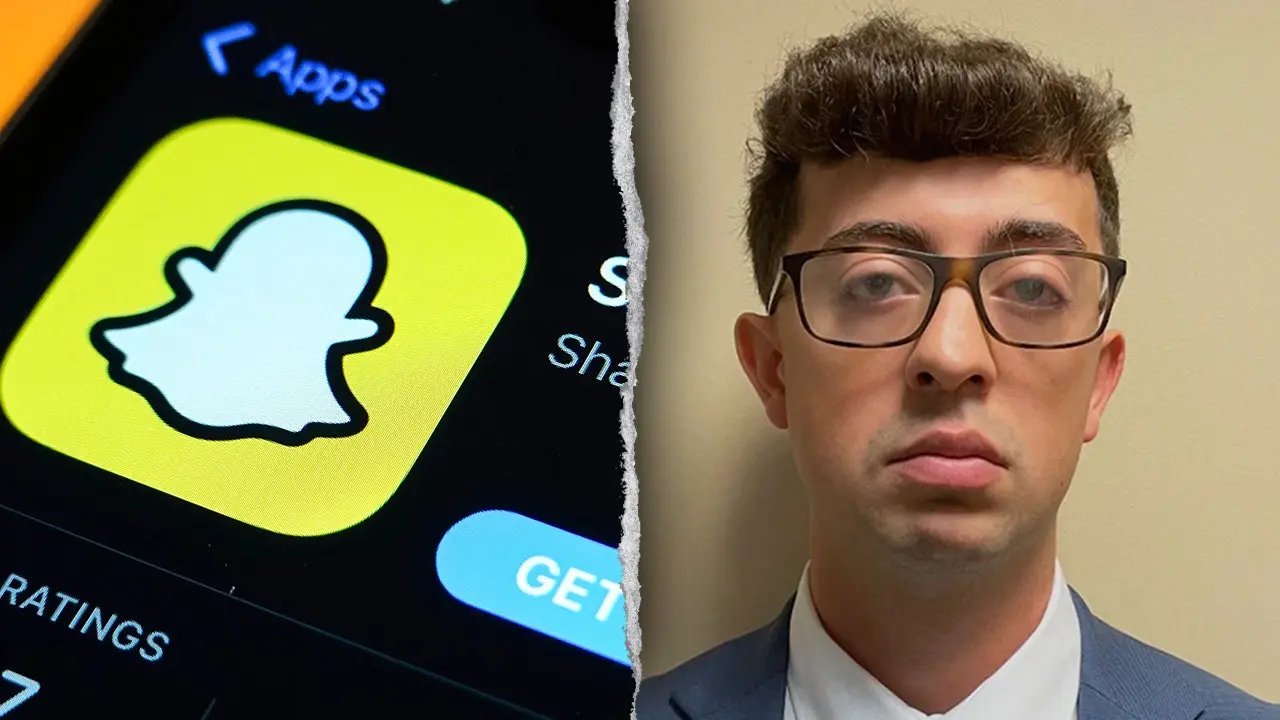
The use of Snapchat, an app famous for its disappearing messages, is perhaps the most chilling indicator of how these young men believed they could evade law enforcement. The court documents allege that Abbatiello and his codefendants used the app “to facilitate the delivery of cocaine to known persons,” operating under the false assumption that impermanence equates to immunity. The grand jury testimony of Mohammed Huraibi, 22, one of the alleged associates, reveals a prosaic but damning origin story: in the Fall of 2023, he arranged the very first purchase of cocaine from Abbatiello through a simple Snapchat message. This casual outreach would spiral into a full-blown trafficking conspiracy. Similarly, Thomas Michael Robinson, 23, is alleged to have facilitated deliveries under the Snapchat handle “Tommy Robinson,” using the platform as his illicit storefront. The irony is painful: for a generation that prides itself on digital fluency, they failed to grasp that every electronic interaction leaves a digital fingerprint. Law enforcement, armed with grand jury subpoenas and forensic analysis, easily pierced the veil of ephemerality, recovering messages, transactional data, and images that laid the groundwork for the comprehensive charges they now face. The illusion of secure digital anonymity shattered into the very evidence that now secures their criminal liability.
Digging deeper into the specific transactions, one can trace the chillingly methodical nature of the operation. The complaint against Robinson details a scheme where he and Huraibi pooled their resources for a specific purchase, agreeing to buy around 100 grams of cocaine for $4,000. The logistics involved a coordinated effort, with Abbatiello physically transporting the narcotics to a designated point—in one instance, a person identified as Delta Upilson facilitated the handoff, specifically delivering the cocaine to Huraibi in exchange for the cash. This level of organization, involving middlemen, communication apps, and financial pooling, paints a picture of a business enterprise, not merely a recreational indulgence. It also highlights the intertwined nature of these individuals’ lives. They are not hardened criminals from some distant underworld; they are classmates, fraternity brothers, and peers who recruited each other into a web of illegal activity. The grand jury testimony, which implicates Huraibi in setting up those initial contacts, suggests that this was a network sustained by personal trust and shared social circles, yet that same trust is now fracturing under the weight of prosecution. As the legal process unfolds, the fraternal bonds that likely enabled this operation are being stretched to their breaking point, as defendants face the impossible choice of cooperating with authorities or facing the full weight of the law alone.
The broader context of this bust cannot be ignored, as it lands amidst a period of intense scrutiny for Greek life institutions nationwide. Penn State itself has recently entered a “crackdown” phase regarding fraternities, facing hazing claims involving excessive alcohol, physical burns, and hospital trips, according to recent reports. This drug ring effectively pours gasoline on a fire, reinforcing a narrative that certain fraternity cultures have metastasized into enclaves of privilege, rule-breaking, and dangerous risk-taking. For the university, the arrest of over a dozen students on felony narcotics charges is an administrative nightmare, raising uncomfortable questions about oversight and the failure of institutional controls. Parents across the country are left to wonder how such blatant illegal activity could flourish under the noses of administrators, advisors, and campus police. The reputational damage extends beyond the named individuals to the entire Greek system, which now must contend with the poisonous association of their names with “Pablo Pledgescobar.” Innocent members of these chapters face social ostracism, a tarnished alumni network, and a climate of suspicion from the university administration, illustrating that the collateral damage of these allegations will be felt by many who never touched a single gram of cocaine.
Ultimately, this case serves as a profound and somber lesson about the intersection of technology, privilege, and consequence. The young men involved now face the possibility of years in prison, permanent criminal records, and the complete derailment of their academic and professional trajectories—a steep price for the fleeting gains of the drug trade. Humanizing this story means acknowledging that behind the salacious nickname and the staggering dollar amounts are real individuals, with families who are grappling with a shocking betrayal and a long road of legal battles ahead. The use of Cash App and Snapchat highlights a broader blind spot of modern youth culture—the belief that digital tools can sanitize or obscure dangerous behavior. But in a court of law, these digital footprints are meticulously reconstructed, transforming a casual “send” button into a smoking gun. The community of State College, and indeed the wider collegiate landscape, is left to reflect on how a campus famous for its spirit evolved into a hub for such an enterprise. As the legal proceedings grind forward, the residents of “Happy Valley” must reconcile their beloved institution with the grim reality laid out in the court complaints, hoping that this harsh wake-up call might prompt a deeper cultural shift within the halls of higher education. The party, for now, is definitively over, and the cleanup will take years.