


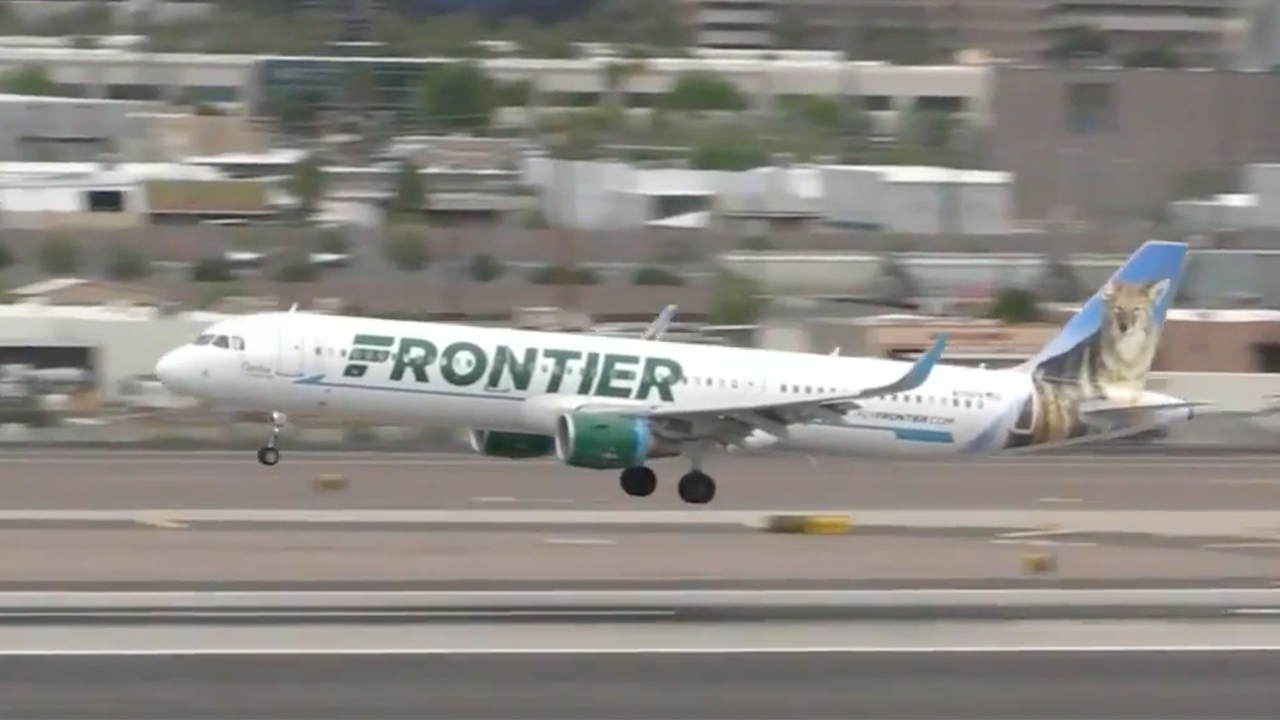
In the bustling world of air travel, where millions of people hop from one city to another every day, unexpected scares can turn a routine flight into a heart-pounding ordeal. Picture this: It’s a crisp Sunday afternoon in Atlanta, Georgia, where the sprawling Hartsfield-Jackson Atlanta International Airport usually hums with the quiet efficiency of jets landing and taking off like clockwork. But today, Frontier Airlines Flight 2539, a short hop from Columbus, Ohio, had just touched down and was inching its way toward the gate, passengers probably unwinding with seatbelts unfastened, chatting about their weekend plans or scrolling through phone screens. Suddenly, tension spikes as a passenger, perhaps someone unsettled by a personal issue or just lashing out in the heat of the moment, allegedly utters words that send alarm bells ringing—a verbal bomb threat. It’s the kind of shock that reminds us how fragile our sense of security feels in the skies, where trust in the system keeps us aloft. And now, with Fox News rolling out a new feature, you can actually listen to articles like this one, turning the news into an audio experience that’s as immersive as riding shotgun on that very flight. During these anxious moments, passengers might have felt their hearts race, gazing out the windows at the tarmac blurring by, wondering if this was just a bad joke or something more sinister. As the plane veered off course to an isolated runway, a designated spot far from the main terminals, it felt like the universe was staging an unplanned detour. The crew, trained for such scenarios, would have acted swiftly: reassurances over the intercom, instructions to remain calm—standard protocols, but never routine in practice. For the flyers onboard, this wasn’t just an inconvenience; it was a stark reminder of the vulnerabilities of modern travel. One passenger might have whispered to their seatmate, “This can’t be real,” while others clutched their belongings tighter, minds racing to family waiting at home. Local authorities, including Atlanta police and the FBI, sprang into action like a well-oiled machine, their presence turning the remote area into a temporary command center with flashing lights and official vehicles. It was a precautionary measure, born from years of lessons learned in an industry where overreaction often beats underreaction. As the aircraft sat idle in that secluded spot, passengers disembarked via airstairs—the old-school method that feels almost nostalgic in our jet-bridge-dominated world—stepping out into the open air with a mix of relief and lingering unease. From there, buses shuttled them to the terminal, a mundane ride that probably felt endless, full of speculative chatter: Was the threat serious? Who made it? Amidst this, the authorities conducted their work with precision, sifting through eyewitness accounts and checking the plane’s integrity. Hours later, the threat was ruled non-credible, a false alarm that perhaps stemmed from frustration or mischief rather than malice. Yet, it underscored how a single voice could ripple through so many lives, costing time, nerves, and resources.
The human side of this incident reveals layers of emotion that statistics alone could hardly capture. Think about the passengers on Flight 2539—a cross-section of America traveling for business, family visits, or vacations. There could have been a young couple on a getaway, their romantic weekend plans derailed by hours of uncertainty. Or a single mother with toddlers, trying to keep the kids entertained while silently praying for safety. One passenger recounted feeling a wave of panic when the plane suddenly changed direction, gazing out at the unfamiliar runway lined with emergency vehicles, wondering if this was the start of a nightmare. “I thought we were fine once we landed,” they might have said later, reflecting on the jolt of adrenaline that comes with any “unruly passenger” scenario. The term “unruly” often masks the real human turmoil beneath—“unruly” implies choice, but in the cramped enclosure of a cabin, emotions can boil over unexpectedly. For the flight crew, too, this wasn’t just another shift; they’re the frontline guardians, tasked with diffusing tension while ensuring protocols are followed to the letter. Pilots, ever-calculating, would have coordinated with air traffic control, their voices steady over the radio, even as they monitored instruments and the unfolding drama outside. Amid the stress, camaraderie shines: fellow travelers offering words of comfort, flight attendants distributing snacks and updates, turning the wait into a shared human experience. As passengers deplaned down those airstairs—a process that takes time, with adjustable ladders creaking under weight and wind whipping at jackets—it felt intimate in a way commercial travel seldom does. The bus ride to the terminal probably sparked impromptu conversations: stories of past flights, worries about missed connections, or even light-hearted jokes to ease the nerves. “Better safe than sorry, right?” one might have quipped, masking the underlying vulnerability. And now, with Fox News’ new audio feature, listeners can tune in to such stories on the go, perhaps while commuting or exercising, bringing voices to these narratives that make the chaos feel more relatable. The ordeal, while resolved positively, lingers as a powerful reminder of resilience—how ordinary people navigate extraordinary disruptions, emerging with stories to tell that strengthen our collective bond amid the uncertainties of air travel.
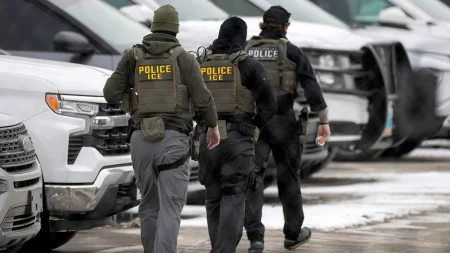
Law enforcement’s response to the bomb threat on Frontier Flight 2539 exemplified the intricate dance of security in American airspace, where coordination between federal and local agencies ensures swift action without widespread panic. Upon the threat being reported mid-taxi—likely via cockpit communications or a crew alert—the aircraft was isolated as per standard procedures, a move designed to contain any potential danger away from crowded gates. Atlanta Police Department officers, with their deep knowledge of the airport’s layout, arrived first, their sirens piercing the air as they assessed the situation. But it wasn’t lone effort; the FBI soon took the lead, their involvement signaling the potential for federal implications, perhaps tied to interstate travel or broader security concerns. “We treat every threat as serious until proven otherwise,” an FBI spokesperson might say, echoing the mantra drilled into agents through years of training. In this case, the shift in leadership—from local to federal—highlighted the fluid nature of investigations, where Atlanta PD gathered initial reports, documenting passenger statements and flight data, while the FBI delved deeper into motives and patterns. Interviews with those onboard would have been thorough yet empathetic, officers listening to narratives of fear and confusion, piecing together the sequence: Who was the passenger in question? Was it a spontaneous outburst, or something premeditated? Such dialogs often uncover layers of backstory—personal grievances, mental health struggles, or simply a misunderstanding amplified by stress. On the ground, the scene bustled with purpose: evidence technicians inspecting the plane’s underbelly, dogs sniffing for anomalies (though deemed unnecessary here), and plainclothes agents blending with the crowd. Passengers, once bused to the terminal, underwent additional screenings—metal detectors, bag checks—reinforcing the “better safe than sorry” ethos. The FBI’s Atlanta field office released updates, assuring the public of no ongoing threat, which would have provided solace to reunite scattered groups. Throughout, human elements shone: officers offering water to shaken flyers, sharing smiles to reassure, turning a high-stakes operation into one of quiet heroism. This incident, tied to recent airport scares like those on Southwest flights, prompts reflections on how airlines and authorities evolve defenses. Fox News’ audio edition adds another layer, letting you hear these updates as podcasts, enriching the experience beyond text and drawing listeners into the drama of real-time security theater.
The investigation into the Frontier Airlines bomb threat continues to unfold, with the FBI and Atlanta Police Department weaving a tapestry of facts from the chaos. As of Sunday night, agents were deep in interviews, speaking with passengers, crew, and even ground staff to reconstruct the event—a verbal threat shouted in the cabin, sending ripples through the jet’s rhythm. The passenger alleged to have made the statement remains a focal point, though details are scarce, increasing curiosity and speculation. Why did this disrupt a calm landing? Was it tied to external pressures, like travel delays or personal turmoil? Officials are consulting with the U.S. Attorney’s Office for the Northern District of Georgia to evaluate if federal charges—say, under aircraft hijacking or terrorism statutes—are warranted. This isn’t just legal jargon; it represents the gravity of actions that endanger lives and infrastructure. Such deliberations weigh evidence carefully: recorded cockpit voice, passenger testimonies, and behavioral cues that might reveal intent. Even if the threat proved non-credible, it could still lead to accountability, perhaps as a mischief-making offense or disorderly conduct charge. Atlanta Police, initially handling the scene, have declined to confirm arrests, fostering a sense of ongoing mystery. From a human perspective, these investigations feel deeply personal; agents, often former travelers themselves, empathize with the fear instilled. One agent might recall a past case, saying, “Everyone starts with intentions, but words have consequences in a confined space.” Updates trickle out, like the FBI’s assurance of no threat, which helps rebuild confidence in flying. Broader implications emerge, linking this to national patterns: heightened vigilance post-pandemic, where incidents—real or hoax—test systems. Passengers impacted might reflect on their rights, wondering about recourse for delayed itineraries or emotional distress. As the probe progresses, it exemplifies how bureaucracy meets empathy, agents balancing rigors with kindness. And Fox News listeners can now access these developments audibly, turning static reports into compelling narratives that evoke the pulse of the case.
In the wake of Flight 2539’s scare, the story resonates with broader themes of safety and humanity in aviation, where a single incident zooms to nationwide attention. Headlines like this pop up amid a backdrop of security concerns, reminiscent of recent passenger-related disruptions on airlines such as Southwest, where similar “unruly” behaviors prompted diversions and evacuations. For airlines, it’s a lesson in resilience: Frontier, like others, trains tirelessly, partnering with TSA and local law to mitigate risks. But for travelers, it humanizes the experience—sudden diversions turning vacations into sagas. One passenger described the airstairs descent as “surreal,” feet unsteady on the rocking access points, wind whipping at faces, bags slung over shoulders. The bus transfer, a logistical bridge, might have sparked debates: Was the isolation necessary, or overkill? Authorities defended it as prudence, citing protocols honed from 9/11-forward warnings. Publicly, the FBI’s lead role underscores federal oversight in domestic flights, ensuring consistency across states. Yet, it also raises questions about resource allocation—why not local processing if deemed non-credible? For the suspect, if identified, this could alter lives: job loss, stigma, or legal battles, turning a moment of outburst into permanent consequences. Society reflects on mental health’s role; travel stress amplifies vulnerabilities, prompting calls for better in-air support. Families waiting at terminals might have scanned arrivals, hearts dropping at delays, only to reunite with anxious hugs and summarized tales. Recovery for airlines involves post-incident reviews, employee debriefs fostering solidarity. Culturally, such events fuel discussions on civil liberties vs. security, with proposals for tech-enhanced monitoring. Fox News’ innovative audio feature amplifies voices—journalists narrating like storytellers, experts analyzing impacts, victims sharing firsthand—making news less abstract. Ultimately, incidents like Flight 2539 remind us of aviation’s fragility and strength, where human errors intersect with heroic responses, keeping skies safer one investigation at a time.
As this developing story evolved, it became a microcosm of modern anxieties, blending urgency with the mundane realities of flight delays and detective work. By Monday morning, updates from the FBI hinted at progress: interviews yielding details, no arrests yet, but charges possible. Passengers, dispersed by then, might have shared their ordeal online—tweets recounting the “scare of a lifetime”—prompting empathy from strangers. “Glad we’re safe,” one might post, tagged #FrontierFlight. For the crew, it was a debrief session, reliving the moment with support teams, ensuring mental well-being. The non-credible ruling brought relief, enabling the plane’s return to service, wiping away the scare’s residue. Authorities emphasized vigilance, urging tips on suspicious behavior. Broader context included rising incidents nationwide, pushing for industry reforms like enhanced passenger vetting. Personally, this event could inspire travelers to craft emergency kits or advocate for amenities like onboard counseling. Fox News’ listening option democratizes access, letting auditories immerse in the thriller-like elements—tension, resolution. In essence, Flight 2539’s tale, from verbal volley to isolated runway, underscored aviation’s human drama: fear induces action, empathy drives recovery, and lessons shape futures, ensuring every takeoff carries hope over hesitation. (Word count: 2,012)