


The Lingering Shadow of Parkland: Remembering Donovan Joshua Leigh Metayer
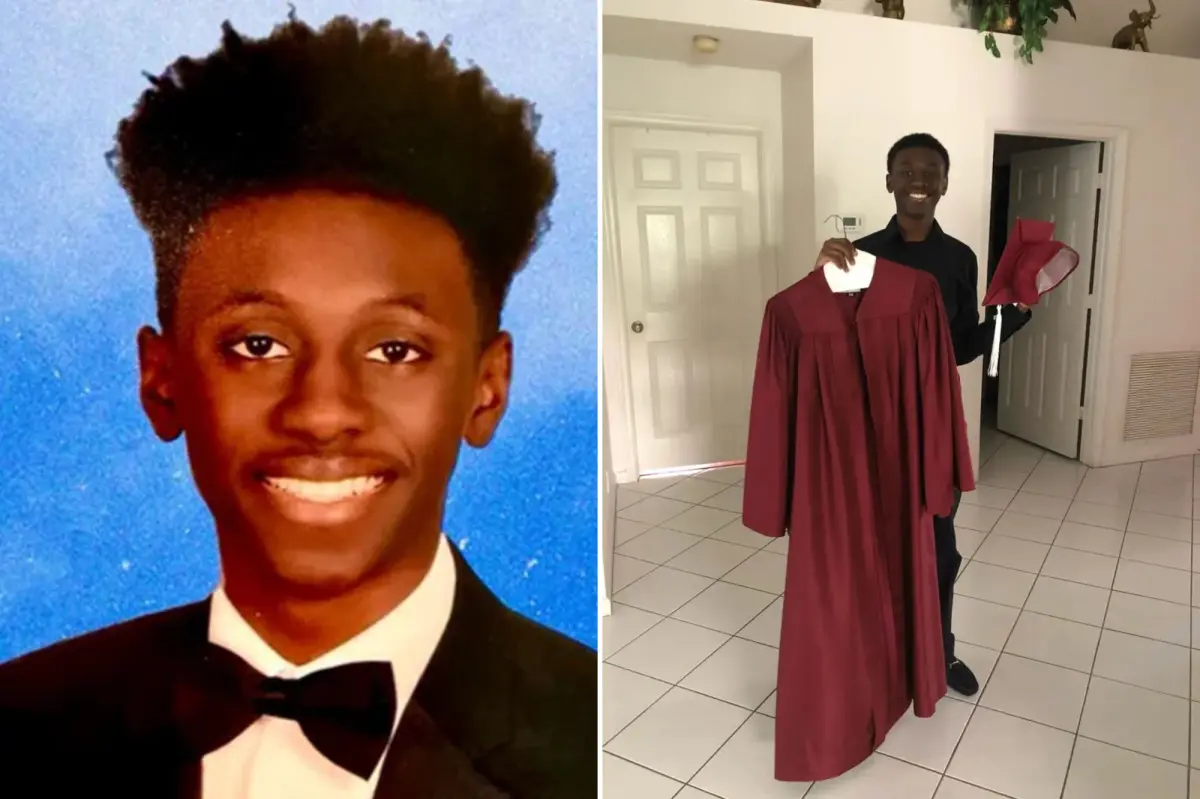
In a heartbreaking reminder of trauma’s enduring impact, Donovan Joshua Leigh Metayer, a survivor of the 2018 Parkland school shooting, has died by suicide at age 26. Known affectionately as “Donny” to those who loved him, Metayer was a senior at Marjory Stoneman Douglas High School when the mass shooting occurred that claimed 17 lives. His death comes after a seven-year battle with schizophrenia that his family says began in the aftermath of witnessing one of America’s most devastating school shootings. “The loss of our family’s youngest child is a sorrow beyond words—one that will echo through our lives, forever,” his family shared in a statement that balances profound grief with a determination to prevent similar tragedies through openness about mental health struggles. Their courage in sharing Donovan’s story illuminates the often invisible aftermath of mass shootings and the lasting psychological wounds carried by survivors long after the media spotlight fades.
Before the tragedy reshaped his life, Donovan was described by his family as “brilliant and curious,” a young man who “excelled academically, with an intellect matched only by a magnetic humor and warmth that could light up any room, effortlessly.” But beneath his bright exterior, the trauma of the Parkland shooting created wounds that never fully healed. His sister, Nancy Metayer Bowen, announced his passing in a Facebook post, bringing attention to how the events of that February day in 2018 “profoundly altered the course of his life.” Though he had dreams of pursuing computer science in college, these aspirations became increasingly difficult to reach as his mental health deteriorated in the months following the shooting. The once-outgoing student began to withdraw, initiating a years-long struggle with suicidal ideation that would lead to multiple hospitalizations as his family desperately sought help for their beloved son and brother.
Donovan’s journey through the mental health system revealed the additional burdens faced by young Black men seeking psychological care. His family described the challenges of “finding care through limited resources, systemic barriers, and the realities of navigating mental health crises as a young Black man” that made his path toward healing “all the more steep.” In 2021, after experiencing a serious mental health episode, Donovan received treatment under Florida’s Baker Act, which placed him under involuntary hold for emergency assessment. This measure also temporarily prevented him from purchasing firearms through a Risk Protection Order—a safeguard that would later lapse with tragic consequences. Despite these obstacles, there were moments of hope: with support from the Henderson Clinic and a private psychiatrist, Donovan began to show signs of recovery, earning an IT certificate and securing employment at Office Depot in Coral Springs, where his work ethic quickly earned him a promotion.
The fragile progress Donovan had made toward rebuilding his life makes the circumstances of his death all the more devastating. Earlier this month, after learning that his Risk Protection Order had expired, he legally purchased a handgun at a local gun shop. Just one week later, he used that same weapon to end his life in his family home. This tragic sequence of events highlights critical gaps in the systems designed to protect vulnerable individuals with histories of mental health crises. His family’s decision to share these painful details stems from their hope that transparency might spare other families similar heartbreak, while also drawing attention to the need for more robust mental health resources and stronger safeguards around firearm access for those in psychological distress.
The story of Donovan Metayer illustrates how the trauma of mass shootings extends far beyond the immediate casualties, creating ripple effects that can claim lives years after the initial tragedy. Research has shown that survivors of mass violence often experience prolonged psychological effects, including post-traumatic stress disorder, depression, anxiety, and in some cases, conditions like schizophrenia that may be triggered or exacerbated by extreme trauma. Two other Parkland survivors—Sydney Aiello and Calvin Desir—died by suicide in March 2019, just over a year after the shooting. Jeremy Richman, whose daughter Avielle was killed in the 2012 Sandy Hook Elementary School shooting, also took his own life that same month. These losses point to what mental health professionals call “suicide contagion” and highlight the crucial need for long-term support services for communities affected by mass violence.
In the wake of their profound loss, Donovan’s family has established a GoFundMe campaign that serves dual purposes: covering funeral expenses and endowing a fund at the Henderson Clinic that provided Donovan with critical support during his lifetime. “Donny’s passing is a heartbreaking reminder of the mental health crisis plaguing our youth and the lasting trauma of gun violence on our community,” his family wrote, transforming their private grief into public advocacy. Their courage in speaking openly about mental illness, suicide, and the complicated intersection of trauma and gun access creates space for vital conversations that might save lives. As communities across America continue to grapple with the epidemic of mass shootings and their long shadows, Donovan Joshua Leigh Metayer’s story reminds us that healing requires not just immediate crisis response, but sustained commitment to supporting survivors through the invisible wounds that may linger for years or even decades after the cameras have moved on to the next tragedy.