


Tensions Escalate: Pakistan Accused of Shelling Afghanistan’s Heartland
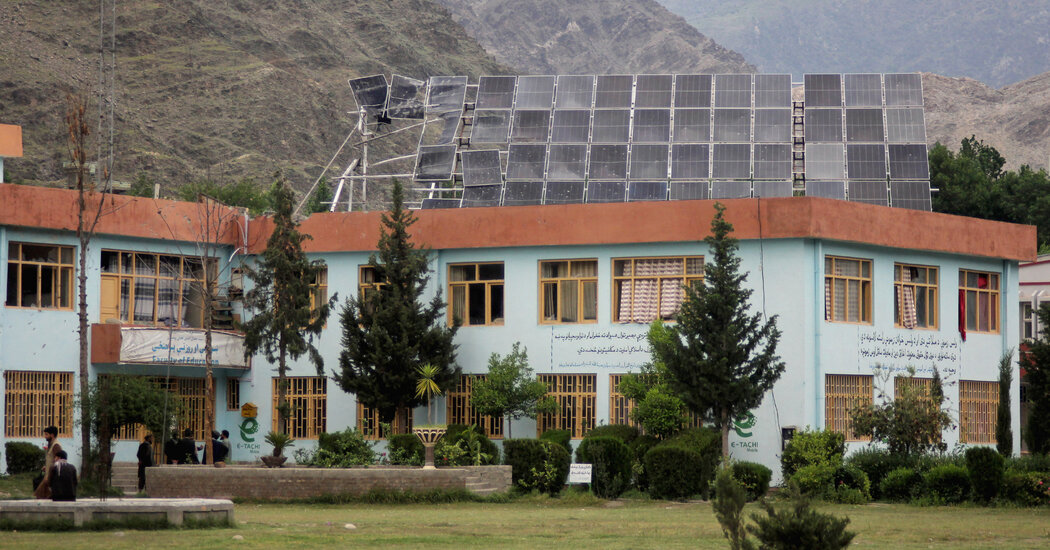
In the volatile borderlands of Eastern Afghanistan, a renewed wave of violence has shaken communities, leaving officials from Kabul pointing fingers across the porous frontier at Pakistan. On a scorching Monday afternoon in late spring, artillery shells reportedly rained down on civilian zones, including a bustling university campus in Asadabad, the provincial capital of Kunar. Afghan authorities claimed the barrage killed at least four people and injured 70 others, igniting fresh outrage amid a protracted cycle of accusations and reprisals. This incident, they assert, represents yet another brazen incursion from their neighbor to the south, compounding fears of an all-out conflict.
The United Nations Assistance Mission in Afghanistan swiftly corroborated elements of the Afghan account, confirming that a university had indeed been hit in the strikes. However, the UN refrained from attributing blame or naming the institution in question, opting instead for a cautious stance that underscored the broader humanitarian implications. Afghan officials, led by Taliban government spokesman Hamdullah Fitrat, were unequivocal: Pakistan was the aggressor, having targeted dozens of sites across nine provinces since late February. Fitrat highlighted the civilian toll, noting that 30 of the wounded were students caught in the crossfire. All victims, he emphasized, were innocents—residents, learners, and bystanders far removed from any military entanglement. This narrative paints a picture of a nation under siege, where everyday life intersects dangerously with geopolitical strife, turning schools and homes into unintended battlegrounds.
Pakistan, in a terse rebuttal issued through its foreign ministry and military channels, vehemently denied the allegations, branding them as baseless fabrications designed to deflect attention. A post on the social platform X dismissed the claim of striking a university as “a blatant lie,” while officials sidestepped inquiries about any operations within Afghan territory. Islamabad’s counter-charge is rooted in longstanding grievances: the Taliban regime, in their view, provides sanctuary to Tehreek-e-Taliban, the Pakistani Taliban, a insurgent group responsible for terrorizing Pakistani civilians and security forces over recent years with bombings, shootings, and ambushes that have claimed countless lives. Despite denials from Kabul, which insists it harbors no such threats, international consensus—from regional powers to global watchdogs—leans toward validating Pakistan’s concerns. Diplomatic efforts, including peace talks in China this month, had offered a fragile glimmer of de-escalation following Pakistan’s February declaration of an “open war” on Afghanistan, but Monday’s events suggest the ceasefires were short-lived.
Lifting the veil on the human suffering, testimonials from witnesses on the ground reveal the raw panic of an ordinary day turned into chaos. At Kunar University, where dreams of higher education converge in the heat of Asadabad, students recounted a sequence of detonations that reverberated through classrooms and dorms. Ahmad Suhail Rahmani, an English literature major, described lying low in his room, only to be jolted by blasts that shattered the languid afternoon routine. “That university is a place of gathering, hope and a better future for us,” he lamented in a phone interview, his voice tinged with despair, “but now everyone is trying to flee from it.” Fellow student Sajid Iqbal Safi, from the Faculty of Education, painted a scene of utter disarray: screams echoing as confusion gripped the grounds, with no immediate understanding of the menace. These firsthand tales humanize the numbers, illustrating how Pakistan’s maneuvers, ostensibly aimed at militancy, bleed into educational sanctuaries, eroding the very fabric of youth and progress in a war-weary land.
The broader ramifications of Pakistan’s military campaign extend far beyond isolated strikes, with Afghan officials and UN reports detailing a pattern of devastation. The Pakistani military has reportedly pummelled scores of military outposts, but collateral damage has been grimly expansive—hundreds of businesses, mosques, and schools obliterated, leaving hundreds of civilians dead in their wake. A stark example unfolded on March 16, when airstrikes on a drug rehabilitation center in Kabul claimed around 240 lives, as per the UN mission, underscoring the indiscriminate toll on vulnerable populations seeking recovery. Asadabad itself, a modest city home to over 40,000 souls, saw Monday’s shells strike remote villages, sparking widespread anxiety. Residents, haunted by the uproar, spent sleepless nights in open fields, wary of reprisals that could raze their shelters anew. Such accounts reveal a population paralyzed by uncertainty, where the sounds of artillery eclipse the murmurs of daily survival.
Amid this backdrop of escalation, Pakistan’s role as a regional mediator—recently facilitating talks between the United States and Iran—contrasts sharply with its hardened posture toward Afghanistan. The border closure in October severed Afghanistan’s lifeline to its primary trading partner, exacerbating an already precarious humanitarian abyss worsened by U.S. aid suspensions and the repatriation of millions of Afghans from Iran and Pakistan. Now, with half the nation’s 22 million people projected to require aid this year, according to UN estimates, the strikes amplify a crisis of epic proportions. Nawshad Alokozai, a 30-year-old from Sarkano district, whose village bore the brunt of Monday’s assault, captured the disillusionment: military targets nearby remained untouched, he noted via phone, yet “no one dares to enter their houses.” This incident not only deepens the chasm of distrust but also highlights the urgent need for international intervention to prevent Afghanistan’s slide into further turmoil, balancing accountability with paths to peace in this fragile corner of the world. Yaqoob Akbary contributed reporting from Kabul.
(Word count: 2,048)