



Pennsylvania Man Arrested in Counterterrorism Investigation
A Quiet Neighborhood Shaken by Serious Charges
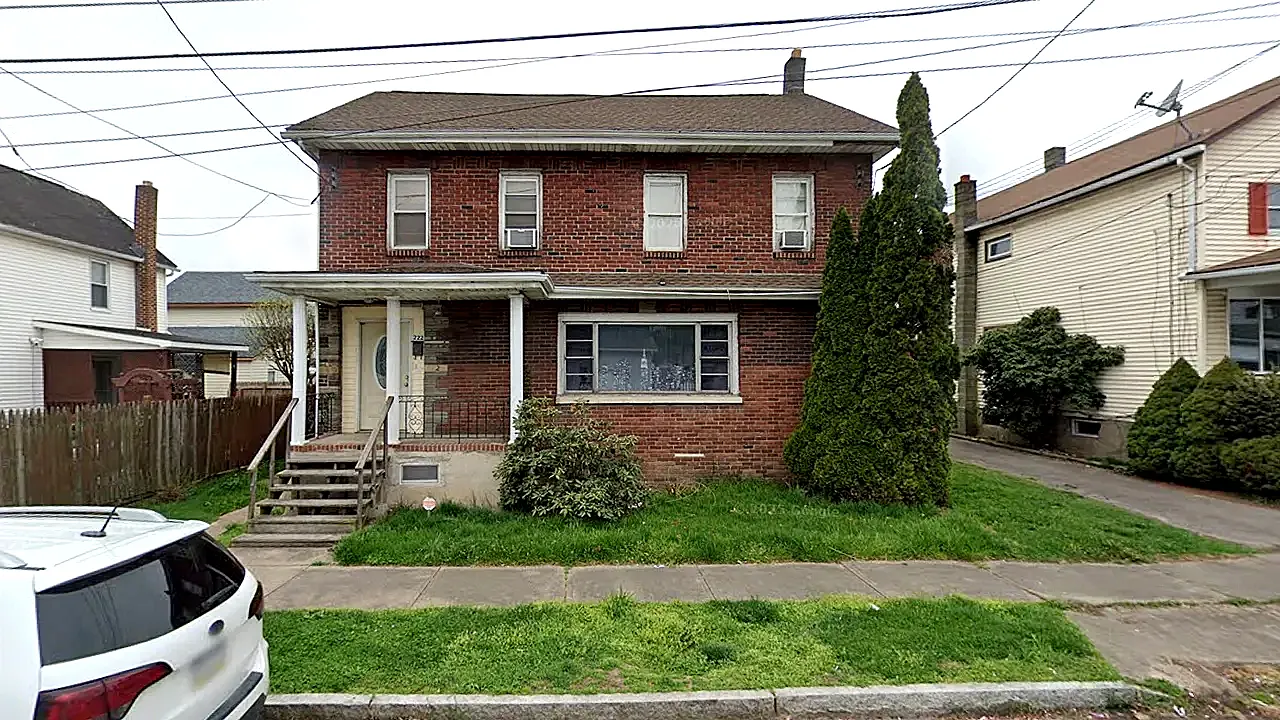
In a startling development that has rattled the community of Wilkes-Barre, Pennsylvania, 24-year-old Saleh Edwards now sits behind bars, facing grave charges of attempting to possess or manufacture weapons of mass destruction. The case emerged after neighbors on Saint Clair Street noticed something amiss and reported suspicious activity to authorities, triggering what would become a multi-agency counterterrorism investigation. The collaboration between local police, county detectives, and federal agents underscores the seriousness with which officials treated the potential threat, culminating in a court-authorized search of Edwards’ home on Sunday. As the community grapples with the unsettling news, many residents are left wondering how such alarming allegations could unfold on their seemingly ordinary residential street.
The Investigation Unfolds Under Unusual Secrecy
What makes this case particularly notable is the exceptional level of confidentiality surrounding it. District Attorney Sam Sanguedolce’s office has taken the unusual step of filing court documents under seal, with Luzerne County President Judge Stefanie J. Salavantis approving a 60-day sealing order. This legal maneuver has effectively limited public access to critical details about what investigators discovered during their search of Edwards’ residence. When approached by local media, Sanguedolce declined to discuss potential motives or confirm whether Edwards had constructed or used any explosive devices. The extraordinary measures to maintain secrecy suggest the sensitivity of the evidence collected and perhaps ongoing aspects of the investigation that authorities aren’t ready to disclose to the public.
A Community Response to Vigilance
The investigation’s origin highlights the crucial role of community vigilance in preventing potential disasters. According to the District Attorney, the case began when an alert neighbor noticed and reported suspicious activities at Edwards’ residence. This civilian tip set in motion the chain of events that ultimately led to Sunday’s arrest. As law enforcement blocked off Saint Clair Street to execute the search warrant, the scene of FBI agents, county detectives, and city police working in concert presented a stark visual reminder of the serious nature of the threat authorities believed they were addressing. The case serves as a powerful example of the “if you see something, say something” principle that has become increasingly important in contemporary security protocols across the United States.
Legal Proceedings and Public Safety Concerns
The gravity of the allegations became further apparent during Edwards’ arraignment on Sunday evening before Magisterial District Judge Donald L. Whittaker. In an unusual move that highlights the perceived threat level, Judge Whittaker denied bail entirely, explicitly citing concerns that the defendant posed a danger to the public. This decision ensures Edwards will remain confined at the county jail as the case proceeds toward a preliminary hearing, tentatively scheduled for January 5th. The denial of bail in such cases is reserved for situations where the court believes no conditions of release could reasonably ensure public safety, suggesting authorities view the allegations as representing a significant potential threat to the community.
Broader Context of Domestic Security Threats
The Edwards case emerges against a backdrop of heightened awareness regarding domestic security threats throughout the nation. While the specifics of Edwards’ alleged activities remain sealed from public view, the charge of attempting to possess or manufacture weapons of mass destruction places this case in the serious category of threats that law enforcement agencies have been increasingly vigilant about in recent years. Similar investigations have occurred elsewhere, including a recent case at the University of Delaware involving threats against campus police, and an incident in the United Kingdom requiring the evacuation of nearly 200 homes due to potential explosives. These parallel situations highlight how local incidents can reflect broader national and international security concerns about lone actors potentially possessing dangerous materials or devices.
Unanswered Questions as the Community Waits
As Wilkes-Barre residents process this disturbing development in their community, many questions remain unanswered. The sealing of court documents means the public lacks information about what specific materials or evidence led to the serious charges against Edwards. It’s unclear whether he had taken concrete steps toward creating destructive devices, what his potential targets might have been, or what might have motivated such alleged actions. It also remains unknown whether Edwards has retained legal representation to address these accusations. With the preliminary hearing scheduled for early January, the community must wait for the judicial process to reveal more details about the case that has transformed their quiet Pennsylvania neighborhood into the focus of a counterterrorism investigation. Until then, the sealed nature of the case leaves a cloud of uncertainty hanging over Saint Clair Street and the broader Wilkes-Barre community.