





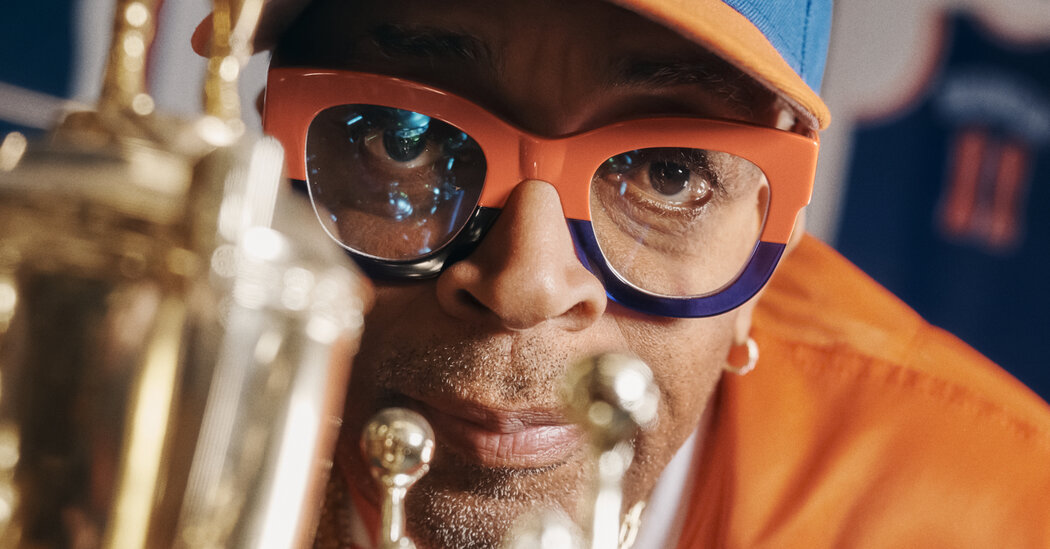
Back in the mid-1960s, during some of the most turbulent and challenging times the Big Apple had ever faced, Mayor John V. Lindsay looked out at the sprawling, chaotic metropolis and optimistically dubbed it “Fun City.” It was a bold, hopeful name that seemed more like a prayer than a reality, at least until a few years later in 1970 when the New York Knicks captured their very first NBA championship and turned that prayer into absolute truth. Today, that same electrifying, contagious joy is pulsing through the pavement once again as the Knicks prepare to battle the San Antonio Spurs and their spectacularly talented, towering young prodigy, Victor Wembanyama, for their third historic title. Walking through the five boroughs right now, you can’t help but notice the radiant, unstoppable smiles stretching across the faces of everyday New Yorkers, and I can tell you from firsthand observations that this collective euphoria is entirely driven by the spectacular playoff run of Da New York Knicks. It is an undeniable phenomenon that I have witnessed with my own eyes and heard with my own ears on nearly every street corner, subway platform, and bodega in this city. More than with any other sports franchise in the New York pantheon, when the Knicks are winning, the entire atmospheric energy of the city undergoes a profound, magical transformation. The sky itself seems to glow in shades of orange and blue, and the streets are flooded with people proudly sporting Knickerbocker hats, vintage t-shirts, and jerseys. When this team is dominant, New York is truly Fun City born again, resurrected from its anxieties and united in a beautiful, shared heartbeat.
My deep, lifelong love affair with this team began during that legendary first championship run on May 8, 1970, when I was just a wide-eyed thirteen-year-old kid soaking in the sights of the city. Like so many other children of my generation, my fandom was a direct inheritance from my father, Bill Lee, a brilliant jazz and folk upright bassist and composer who filled our home with beautiful music, even if he didn’t quite realize back then that I was regularly sneaking through a side door into Madison Square Garden to watch my heroes play. But on that unforgettable night of Game 7 against the powerhouse Los Angeles Lakers, I didn’t have to resort to any stealthy maneuvers. My father’s lawyer, Peter Eikenberry, possessed coveted season tickets and generously invited me to join him in the stands for the high-stakes finale, since my father had a concert to perform that same evening. My mother, Jackie, initially nudged me toward the family obligation, telling me I really ought to accompany my father to his performance, but in a moment of paternal grace that I will cherish forever, my dad simply looked at her and said, “Naw, Spike’s going to the game.” That night, I witnessed sports history in its purest form as our legendary captain and center, Willis Reed, who had suffered a devastating injury in Game 5, miraculously limped out of the locker room tunnel and onto the hardwood of the Garden floor. The sheer sight of him muscling through debilitating pain set the arena on fire, igniting a firestorm of passion that propelled the Knicks to a glorious victory. That historic night became immortalized as the “Willis Reed game,” etching itself into the ledger of New York legend alongside the brilliant plays of Bill Bradley, Walt Frazier, and Dave DeBusschere. We followed that up with another magnificent championship in 1973 with the mesmerizing Earl Monroe, but the decades that followed were defined by heartbreaking near-misses in 1994 and 1999, which eventually gave way to a long, agonizing playoff drought.
In the twenty-five years since that bittersweet 1999 Finals run, New York has been forced to weather some of the darkest, most painful chapters in its modern history, standing resilient against the unspeakable tragedy of September 11, the watery wreckage of Hurricane Sandy, the isolating fear of the global pandemic, and the cruel, unjust ICE raids targeting our immigrant neighbors in direct defiance of everything Ellis Island represents. Yet, even during the years when the Knicks fell short of holding a championship trophy aloft, the team served as a vital, healing anchor that helped stitch the fragmented pieces of our wounded city back together. Hoop dreams in New York are forged in a way that can only happen in a metropolis that boasts perhaps more outdoor basketball courts than any other city on earth, a place where basketball is not merely a pastime but a sacred cultural language spoken by every generation on chain-link courts and asphalt playgrounds. It is a sport that belongs deeply and intimately to our local street culture, a gritty, expressive art form that defies imitation. So when other regions try to claim they understand the soul of this game, we can only shake our heads and say with absolute certainty: Indiana? Hell to da naw!
The modern roster represents the very soul of our diverse community, embodying a beautiful brotherhood that bridges the gap between the legendary past and the promise of the future. Our beloved Walt “Clyde” Frazier, the stylish, poetic guard from the 1970s title teams, is still a constant presence in our lives, bringing his signature flair and brilliant vocabulary to the television broadcasts as a commentator; he will forever be my guy. This contemporary squad plays with a beautiful, selfless synergy and a deep-seated togetherness that would bring a proud smile to the face of our legendary late coach, Red Holzman, who lived by the simple, golden principle: “Find the Open Man.” It is incredibly moving to see past giants of the franchise who never quite got their championship rings—warriors like Patrick Ewing, Larry Johnson, Latrell Sprewell, and John Starks—sitting courtside together, cheering on this new-age team with genuine pride and affection. I owe a massive debt of gratitude to team owner James Dolan for actively welcoming these iconic heroes back into the Garden fold, cementing a multigenerational bond between the fans and the franchise. We see our own struggles, our own resilience, and our own diverse identities reflected in these athletes, and we love them deeply for it.
This championship pursuit has been defined by players who mirror the grit and selflessness that everyday New Yorkers show during difficult times, starting with our star center-forward Karl-Anthony Towns, who has beautifully sacrificed his own individual scoring glory to feed his teammates and anchor the defense. Alongside him are Josh Hart and OG Anunoby, the quintessential, blue-collar “lunch-pail” players who do all the dirty work on the court, channeling the relentless spirit of Dave DeBusschere from our historic championship squads. Jalen Brunson brings a touch of dazzling, spectacular brilliance reminiscent of Clyde Frazier, yet he carries himself with a quiet, humble poise that commands the deepest respect, while our vibrant Puerto Rican community can burst with immense pride watching the tenacious play of Jose Alvarado. The Knicks are the living, breathing essence of this beautifully complex, diverse, and unapologetic city where people from every corner of the globe arrive to chase their dreams, whether they come to experience the bright lights of a Broadway show or simply to savor a hot slice of dollar pizza or a perfectly greasy bodega chopped cheese. We are a city that makes history, recently electing our very first Muslim mayor to lead us forward, and to all those skeptical voices who claimed New York was dying and that they were packing up their lives for Florida—yeah, right!
Yet, we must acknowledge that New York can also be an incredibly tough, unforgiving place to survive, particularly for working-class citizens who do not possess the luxury of a high income in a city that has become increasingly expensive and unaffordable. This economic squeeze has sadly extended to the legendary arena itself, pricing out many of the passionate, lifelong fans who represent the true heartbeat of the team. Because of this, we have witnessed the astonishing phenomenon of loyal Knicks fans completely taking over arenas in opposing cities like Atlanta, Philadelphia, and Cleveland. They are there because it has actually become more affordable to secure a round-trip plane ticket, book a hotel room, and purchase a prime seat in another city than it is to buy a single ticket inside Madison Square Garden. Despite these economic barriers, and the sobering fact that we have gone fifty-three long years without celebrating a title, our hope has never wavered. Leon Rose, our brilliant team president, has masterfully assembled an incredibly deep, resilient roster and a phenomenal bench, making the bold decision to bring in Mike Brown to lead the charge—and with all due respect and love to Coach Tom Thibodeau, the player group has completely bought into this winning system. While I hold absolute respect for the San Antonio Spurs, their legendary executive Gregg Popovich, and the transcendent young Victor Wembanyama—who showed his love for our culture by playing chess in Washington Square Park—history dictates that even the greatest giants must fall. Just as the Knicks had to conquer legendary big men like Kareem Abdul-Jabbar in 1970 and Wilt Chamberlain in 1973, we are prepared to witness a modern triumph. I have envisioned a beautiful, divine prophecy that on June 16, 2026, by the decree of God, Jehovah, Allah, and “Black Jesus” Earl Monroe, the New York Knickerbocker faithful will watch our team defeat the Spurs in Game 6 right on the sacred floor of Madison Square Garden, officially crowning our beloved home as Fun City once again.