

The Heart of a Barbershop Dream
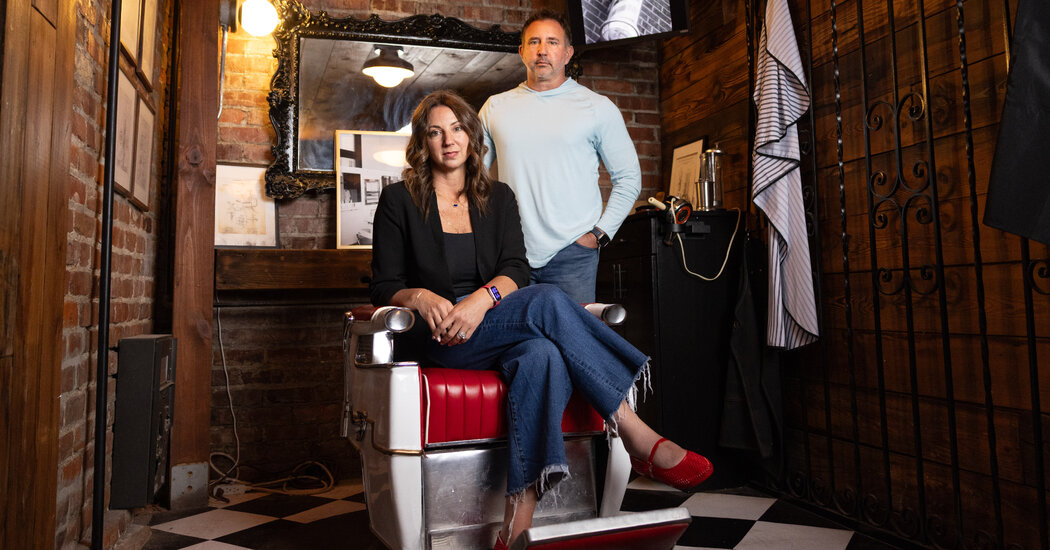
Picture this: nestled in a tucked-away alley in Omaha’s bustling Blackstone District, there’s a spot that feels like stepping back into a bygone era of sharp scissors, fresh-shaven grins, and a good old-fashioned buzz. The building itself has history etched into every brick—it’s where Don DiGiacomo, known affectionately as “Don the Barber,” spent roughly three decades cutting hair and storytelling through his cosmetology salon, DeComo’s Hair Fashions. His son, Mike DiGiacomo, now 53, and his siblings poured their hearts and souls into transforming that space into something magical: a craft cocktail bar paying homage to their late father. They named it Barber Shop Blackstone, and it wasn’t just a name—it was a tribute, a way to keep Dad’s spirit alive in a world that had forgotten the charm of striped poles and vintage chairs. The decor? Spot-on nostalgic, with a gleaming red barber chair from the 1950s parked right in the middle, a whopping barber pole spinning invitingly near the door, and zero other signage except that whimsical touch of the past. Travel back with me for a moment: you’re winding down after a long day, pushing open a discreet door, and the first thing that hits you is the aroma of lime and tequila mingling with the faint scent of Old Spice. The cocktails? Creative masterpieces with names like the Straight Razor—a zesty blend of bourbon, bitters, and a whisper of citrus—and the Hot Towel Margarita, served with a warm cloth that evokes that post-shave pampering. It’s not just a bar; it’s a conversation starter, a place where locals gather to reminisce over drinks that pack a punch and stories that flow as freely as the froth on a shaken libation. Mike and his siblings didn’t just create a business; they breathed life into a family legacy. When they converted their Italian-themed speakeasy into this barber-inspired haven in March 2025, it was like unveiling a love letter to Don, who passed away in 2022 at 88. “People loved it,” Mike recalls with a chuckle, his voice thick with emotion during our chat over the phone. “Everything was going great.” The bar quickly became a hit—customers flocking in, eyes lighting up at the theme, strangers bonding over toasts to imaginary barbers and real memories. It felt authentic, personal, like the DiGiacomos were sharing a piece of their world one sippable story at a time. But beneath the surface of frothy drinks and friendly banter, trouble brewed, as unexpectedly as a bad haircut.
The turning point hit like a sudden shear cut. About a month after opening, Mike received a certified letter that changed everything. It was from Kenneth J. Allen, director of Nebraska’s Board of Barber Examiners, informing him that their use of “barber shop” in the name and that iconic striped pole violated state law. “It has come to our attention that this business markets itself using the barber shop title, barber poles and images of barber poles,” the letter sternly warned. “This letter is to inform you that such practices violate Nebraska law.” Mike’s reaction was pure shock—he told me, with that same incredulous tone, “I never, in a million years, thought the state Board of Barber Examiners would come after us.” They weren’t even offering barber services; they had no intentions of wielding clippers or licenses. What started as a heartfelt nod to a family patriarch had, in the eyes of the board, crossed into forbidden territory. The DiGiacomos replied promptly, nine days later, explaining they weren’t operating as barbers and suggesting a peaceful resolution. They had, after all, secured approval from Nebraska’s secretary of state to use the name Barber Shop Blackstone. But the board wasn’t budging. Another letter arrived last June, escalating the matter: if they didn’t stop, legal consequences—civil and criminal—would follow. “Litigation can be an expensive and time-consuming process,” it cautioned, “but the Board is obligated to defend the Barber Act and its trademark.” Faced with this ultimatum, the family felt cornered. What began as a celebration of heritage now loomed as a battle for identity. Mike described the pressure: sleepless nights, the fear of losing everything they’d built, the emotional toll of watching a tribute to their father morph into a legal nightmare. The bar’s no-signage entrance, once a charming quirk, now symbolized their struggle—hidden in plain sight, but under siege. They responded the only way they could: by filing a lawsuit in February against the board and Nebraska’s attorney general in federal court, alleging infringement on their First Amendment rights. Temporarily, to dodge immediate penalties, they rechristened the place Censored Shop Blackstone—a defiant but heartbreaking move. It was as if they’d slapped a black bar across their family photo. This wasn’t just about a name; it was about the right to tell their story without state meddling. As Mike put it, “We’re just trying to honor my dad’s memory.” The lawsuit, with its high-stakes drama, highlighted the absurdity: a state entity claiming ownership over words like “barber shop” to protect public health. But to the DiGiacomos, it felt personal, invasive, like the government was reaching into their grief and slapping a regulation tag on it.
Digging deeper, the DiGiacomo family’s saga isn’t just a bar story—it’s a testament to resilience and the pull of past generations. Don the Barber, though technically a cosmetologist, was the epitome of the word “barber” in the hearts of his clients and kids. For decades, his salon on that exact spot buzzed with life: kids squirming in chairs, adults unloading the day’s woes over a trim, and Don himself—a gregarious man with stories as sharp as his razors. Mike fondly remembered Saturdays spent there, the clang of scissors, the waft of hair tonic, and Dad’s wise-cracking wisdom. When Don passed, the family kept the space alive, first as an Italian speakeasy shrouded in mystery, complete with hidden entrances and themed apéritifs. It was thriving, but last year, they rebranded to immortalize the man who shaped them. “He wasn’t just cutting hair; he was cutting bonds,” Mike said, his voice cracking a bit. Yet, here came the Nebraska Board of Barber Examiners, wielding the Barber Act like a regulatory blade. Enacted to safeguard professions, the law reserves terms and symbols like “barbershop” and striped poles exclusively for licensed barbers, arguing it’s for public health and safety. The board’s March brief in court amplified this: “Barbering is an ancient and proud profession, and their symbols have long been reserved for their sole use.” To them, the DiGiacomos’ usage was “knowingly deceptive.” But Mike countered: they weren’t deceiving anyone. Their red barber chair sat unused, a prop for ambiance, not cuts. The pole? Pure decor, spinning as a nostalgic nod, not a beacon for consultations. And why trademark the word “barber shop”? It felt like hoarding the dictionary to monopolize everyday language. Nebraska’s secretary of state had initially okayed the name, registering it before mysteriously canceling it in April. The DiGiacomos’ story sparked debates nationwide: when does regulation cross into overreach? Were they really endangering the public by serving margaritas beneath a pole? For Mike, it was a gut punch—he’d envisioned a cozy tribute, not a courtroom showdown. As he recounted knocking over beers with regulars who’d known his dad, you could feel the betrayal: state bureaucrats raining on a reunion parade.
Enter the legal arena, where words wage war. The DiGiacomos’ February lawsuit in U.S. District Court for Nebraska resonated on free speech grounds, painting the board as heavy-handed. Their team, the First Amendment Clinic at the University of Nebraska College of Law, argued the state couldn’t monopolize generic words to stifle expression. This wasn’t fraud; it was creativity. To amplify their fight, the Institute for Justice—a powerhouse defending liberties—jumped in, led by deputy litigation director Robert McNamara. “The government can regulate a business’s name to protect consumers from fraud or confusion, but it doesn’t have a free hand to take words out of the dictionary and put them under the control of a state board,” he declared. This David-vs.-Goliath tale drew sympathy; imagine: a family bar bullied by bureaucracy for echoing history. Nebraska’s attorney general, defending the board, stood firm, declining comments but echoing past briefs emphasizing “public health and safety.” Meanwhile, the barbering community rallied. Maura Scali-Sheahan, CEO of the National Association of Barber Boards of America, voiced support: “It’s about keeping the integrity of the profession alive.” Yet, critics saw it as overprotection—what harm could cocktails cause under a barber pole? The case grew legs, attracting media buzz and social shares. For Mike, it was draining: court fees piling up, the renamed bar chipping at his morale. “We just want to serve drinks and remember Dad,” he pleaded. Viewings of similar global speakeasies sparked discussions; here, regulation met nostalgia in a cultural clash. Judges pored over precedents where states defended trademarks without stifling speech. Was “barbershop” truly synonymous with deception? Experts chimed in online, debating if the pole symbolized service or just spun whimsy. The DiGiacomos’ story humanized it all—the father’s shadow lingering, siblings united in defiance, a bar embodying joy under threat. It wasn’t about trimming hair; it was about trimming freedoms.
Reactions poured in like shaken martinis— a mix of outrage, support, and bewildered laughter. Social media erupted: Twitter threads mocked the absurdity, hashtags like #BarberShopGate trended, with memes depicting pole-spinning attorneys or confused barbers offering margaritas. Locals in Omaha rallied, flooding the Censored Shop Blackstone with visits, turning it into a protest party. “This is our community spot,” one patron told me, holding up a Straight Razor. “They’re honoring tradition, not stealing it.” National voices weighed in too. Free speech advocates like the ACLU nodded approvingly at the lawsuit’s thrust. Even bar industry folks cheered the thematic boldness, echoing how such concepts fostered innovation—think edgy venues hiding behind false fronts for Prohibition-era flair. Yet, defenders of regulation stood their ground: barbering involves sharp tools and skin; mixing alcohol with that imagery could confuse vulnerable folks, perhaps leading to misuse. Nebraska officials, through spokespeople, reiterated public safety fears, pointing to the Barber Act’s roots in preventing unqualified practices. But for Mike, it stung personally. “My dad did this for years without issues,” he noted, pride mingled with frustration. As the case unfolded, it mirrored broader debates: where does government protection end, and individual artistry begin? Experts in trademark law chimed in, citing cases like San Francisco’s Owl Drug for using the word “pure”—Nebraska risked the same critique. Humanizing this, it was about a family whose grief became a shrine, now besieged. Siblings shared laughs amid sobs; Mike recalled his dad’s jokes over the phone, missing that guiding hand. The bar’s decor felt alive—chairs whispering secrets, poles twirling in silent defiance. Visitors brought cards of encouragement, turning the alley into a solidarity alley. Even strangers messaged support, feeling the universality: state overstep can erode personal narratives. It wasn’t just a case; it was a call to arms for expressive rights.
In the end, the tale of Barber Shop Blackstone echoes far beyond Omaha’s alley. As the lawsuit meanders through federal court, with no quick resolution in sight, it highlights how regulations meant to protect can inadvertently stifle creativity. The DiGiacomos’ story isn’t unique—similar themes thrive elsewhere. Take the Barber Shop in Sydney, Australia, voted the country’s “best gin bar” four years running, hidden behind a working barbershop facade. It thrives on that playful deception, blending cuts with cocktails without a peep from officials. Owners there told me it’s all about juxtaposition: a trim then a tipple, history meeting hedonism. Yet, in Nebraska, the line blurs between homage and hijack. Mike dreams of reverting to Barber Shop Blackstone, serving toasts to Don amid clinking glasses. The Censored Shop Blackstone serves as a reminder of bureaucracy’s bite—words censored, symbols stripped. For Nebraska’s officials, it’s duty; for the family, it’s legacy. One can’t help but ponder: in a world of evolving professions, why not let a pole spin freely? The case challenges us to celebrate nods to the past without fearing the present. As Mike concludes, “It’s not just a name; it’s our story.” And in the courts of opinion, at least, that story resonates. katılım, sparking conversations on freedom, regulation, and the art of remembrance. The bar endures, a beacon in the alley, awaiting its rightful moniker—much like the family spirit it strives to encapsulate.