


The delicate machinery of the global economy is not just a collection of cold algorithms, interest rates, and stock tickers; it is a living, breathing system deeply intertwined with human emotion, reacting instantly to the whispers of conflict and the quiet anxieties of everyday citizens around the world. This profound vulnerability was on full display this past Sunday, as the world watched global oil prices creep upward while international stock markets took a cautious, nervous dip. To the average observer, these fluctuating numbers on a distant trading screen might seem abstract, but they translate directly into tangible, real-world anxieties that sit at kitchen tables worldwide. It is the commuter in a bustling city wondering if gas prices will spike before the workweek begins, the retiree keeping a watchful, anxious eye on their pension fund, and the small business owner calculating the rising cost of transporting goods across oceans. The source of this collective, global unease traces back to a narrow, strategically vital strip of water: the Strait of Hormuz. Serving as the literal jugular vein of the global energy trade, this maritime corridor carries a massive portion of the world’s petroleum supply every single day, meaning any threat of disruption ripples across continents with terrifying speed. As conflicting reports about the status of this passage began to circulate over the weekend, the fragility of our highly interconnected global civilization became painfully clear. It highlighted a recurring, sobering reality of the modern era—that the physical flow of energy, which powers everything from hospital generators to school buses, remains hostage to the unpredictable currents of international diplomacy and regional warfare. The slight market movements on Sunday were not merely financial data points; they were the collective pulse of a global public bracing itself for the possibility of another prolonged energy crisis, demonstrating how quickly geopolitical hostility can disrupt the daily rhythms of lives thousands of miles away.
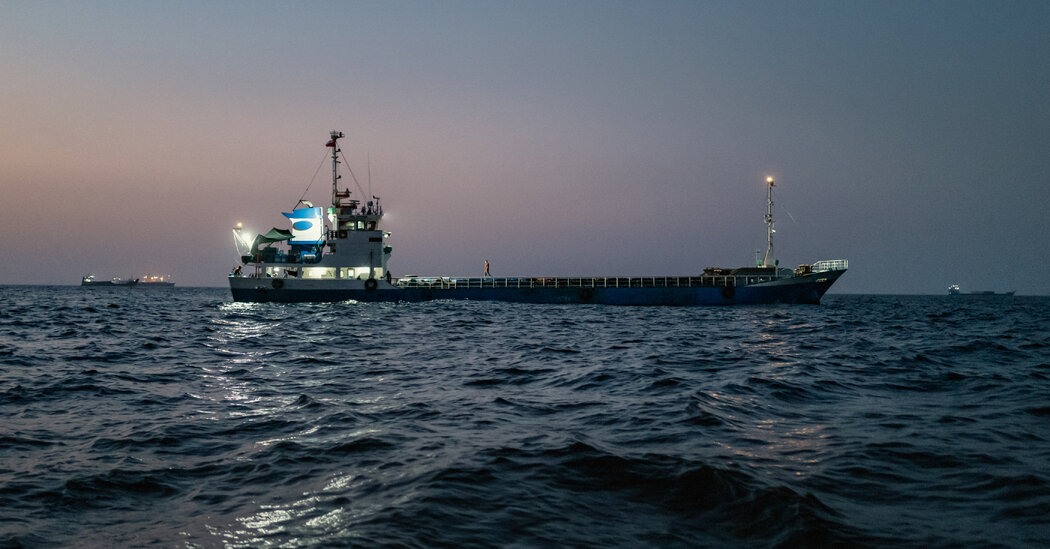
At the absolute heart of the current anxiety is a stark, paralyzing disagreement over what is actually happening on the water, turning the Strait of Hormuz into a theater of intense psychological warfare where objective truth has become the first casualty. Over the weekend, Iran’s military apparatus declared that it was shutting down the strait, a move framed as a direct and defensive response to the ongoing, escalating military campaigns in Lebanon. Almost immediately, the United States Central Command pushed back against this narrative, issuing firm, public assurances that the international shipping lane remained open, safe, and fully operational under the watchful eyes of coalition forces. For the merchant mariners actually aboard the massive supertankers idling in the Gulf of Oman, this war of words is anything but academic; it is an immediate question of life and death. Tracking data from maritime safety organizations suggested a noticeable slowdown in traffic, revealing that commercial shipping companies—faced with conflicting narratives—were hesitating to enter the narrow bottleneck despite Washington’s security guarantees. When captaining a vessel carrying millions of gallons of highly flammable crude oil, the perception of risk dictates reality far more than official press releases from distant military headquarters. The hesitation of these captain and crew members highlights the profound challenges of navigating modern geopolitical crises, where the mere threat of a blockade can be almost as damaging as a physical barrier. Until independent observers can definitively verify that safe passage is guaranteed, the shipping industry is likely to remain in a state of suspended animation, paralyzed by the fear of being caught in the crossfires of an escalating confrontation.
This tense maritime standoff cannot be understood in isolation; it is a direct, violent projection of the intense human suffering and geopolitical warfare currently consuming the Levant. Iran’s threat to close the vital waterway was explicitly and aggressively tied to the relentless, devastating fighting playing out in Lebanon, where confrontations between Israeli forces and Hezbollah have shattered ancient communities, leveled neighborhoods, and displaced hundreds of thousands of innocent civilians. By threatening to choke off the world’s oil supply, Tehran is attempting to leverage global economic pain to force a halt to Israel’s military campaign. This strategy underscores the tragic, systemic interconnectedness of modern conflicts, where the destruction of a residential building in Beirut can lead to a cargo ship being halted in the Persian Gulf, which in turn raises the cost of heating a home in Europe or refueling a truck in North America. It is a sobering reminder that the casualties of war are not confined to the battlefield; they extend to the global supply chains that sustain human life across the entire planet. The human toll of the fighting in Lebanon, marked by ruined histories, overwhelmed hospitals, and weeping families, has been transformed into leverage in a massive geopolitical chess game. By linking the free flow of energy to the resolution of a deeply personal and historically complex war, the actors involved have ensured that the economic survival of neutral nations is now bound to a conflict they have no direct hand in, amplifying the tragedy and making the path to regional peace even more convoluted.
Amidst this ominous backdrop of military posturing and economic anxiety, a quiet, parallel effort toward peace began to unfold in the neutral, snow-capped sanctuary of Switzerland. High-level diplomats representing both the United States and Iran convened for a highly anticipated, deeply tense first round of negotiations. The serene, quiet environment of these Swiss diplomatic quarters stands in stark contrast to the chaotic, high-stakes nature of the talks, where negotiators carry the weight of millions of lives on their shoulders. These individuals are tasked with an incredibly challenging and historic mission: to transform a fragile, highly precarious 60-day cease-fire between regional forces into a resilient, permanent peace agreement that can stabilize the entire Middle East. The atmosphere in these negotiating rooms is reportedly thick with decades of accumulated distrust, where every word is carefully weighed, and every gesture is analyzed for hidden motives. For these diplomats, the challenge is not just drafting legal text on whiteboards, but trying to bridge a deep, human chasm of hostility that has defined US-Iranian relations for generations. While armies mobilize and oil markets fluctuate, these negotiations represent a fragile harbor of sanity, a recognition from both sides that a total collapse into open bilateral warfare would be catastrophic for global stability. The world is watching these talks with a mixture of desperate hope and profound skepticism, knowing that the outcome of these quiet conversations in Europe will determine whether the Middle East moves toward a path of gradual recovery or plunges into an unprecedented regional conflagration.
The road to a permanent agreement, however, is obstructed by a massive, seemingly insurmountable gulf in expectations and core demands between Washington and Tehran. Both nations enter these Swiss negotiations with deeply entrenched positions, shaped by years of domestic political pressure, ideological convictions, and conflicting visions for the future of the Middle East. For the United States and its allies, any permanent deal must ensure the unhindered flow of global commerce, the guaranteed security of its regional partners, and a verifiable halt to Iran’s regional proxy networks and nuclear ambitions. Conversely, Iranian negotiators are under intense domestic pressure to secure the permanent lifting of crippling economic sanctions, preserve their national sovereignty, and defend their regional alliances, which they view as essential deterrents against foreign aggression. These are not minor technical details that can be easily resolved over a weekend of civilized debate; they represent fundamental, existential disputes over power, survival, and justice. The 60-day cease-fire, while a welcome reprieve from active hostilities, is merely a sticking plaster on a deep, infected wound, and converting it into a lasting peace agreement requires concessions that neither side’s political hardliners are currently willing to make. This massive divergence in goals means that even as diplomats sit at the same table, they are speaking entirely different geopolitical languages, making the prospect of a breakthrough incredibly remote and keeping the threat of renewed conflict constantly looming in the background.
Ultimately, the unfolding drama surrounding the Strait of Hormuz and the tense diplomatic dance in Switzerland serve as a powerful metaphor for our modern global condition—a world characterized by absolute interconnectivity yet deeply fractured by human division. We live in an era where the decisions of a few military commanders or diplomats can catastrophically impact the livelihoods of billions of people who have no voice in the matter. This reality demands a fundamental shift in how we view global crises, moving away from cold, detached economic metrics and toward a deeper appreciation of the shared human vulnerability that links us all. The rising price of oil and the dipping of stock indices are not just abstract financial trends; they are indicators of a systemic insecurity that can only be resolved when nation-states prioritize mutual survival and human empathy over geopolitical dominance. Whether the negotiators in Switzerland can summon the political courage to bridge their differences remains to be seen, but the stakes could not be higher. If diplomacy fails, the consequences will not be confined to diplomatic archives or corporate balance sheets; they will be felt in the homes of families struggling to buy groceries, in the dangerous voyages of merchant sailors, and in the continued suffering of civilians caught in the crossfire of war. True stability will not be achieved through military muscle or naval blockades, but through the painstaking, human work of dialogue, compromise, and a shared commitment to building a world where the free flow of both energy and human dignity is guaranteed for everyone.