



Tragic Double Homicide Leads to Multiple Charges Against Ex-Husband
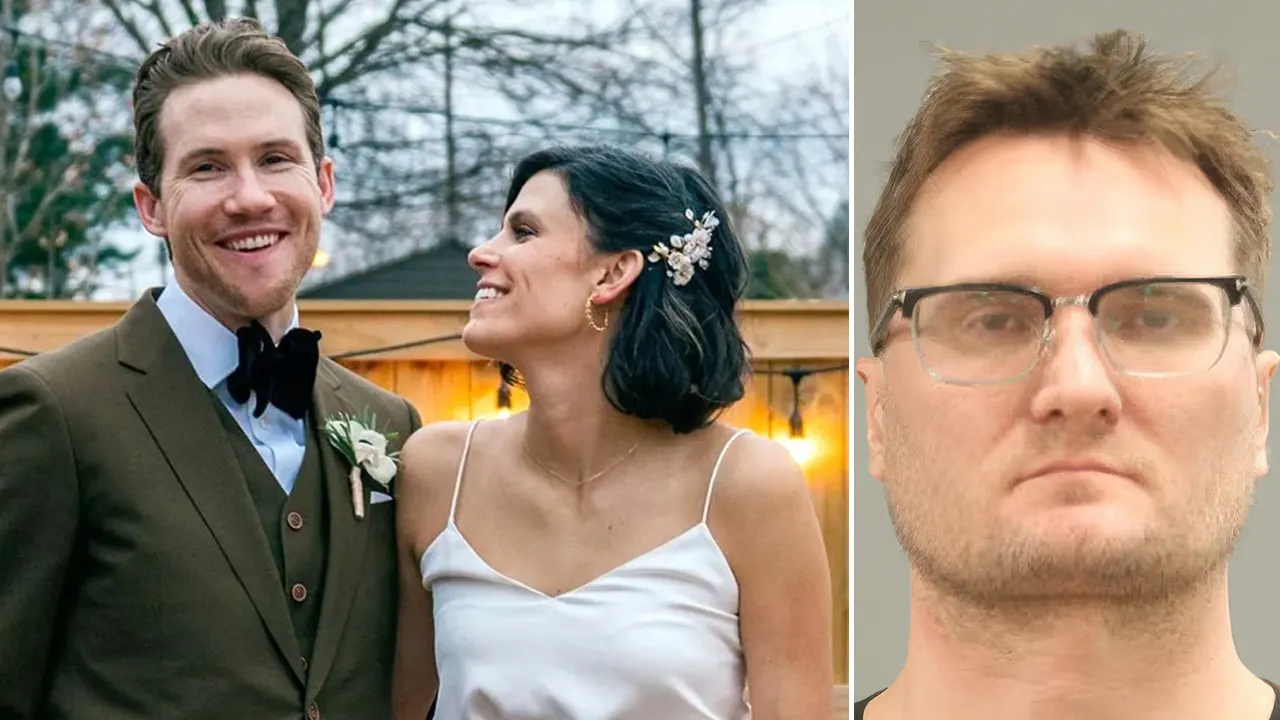
In a heart-wrenching case of alleged domestic violence that has shaken the Columbus community, Michael McKee now faces serious legal consequences for the deaths of his ex-wife and her husband. A Franklin County grand jury has formally indicted McKee on four counts of aggravated murder with firearm specifications, along with charges of aggravated burglary and aggravated robbery. This indictment marks a significant development in a case that has devastated families and left a neighborhood in mourning.
The tragic events unfolded on the morning of December 30th, when authorities allege that McKee entered the home of Monique Tepe, 39, and her husband Spencer Tepe in Columbus’ Weinland Park neighborhood. What should have been an ordinary day turned deadly around 10 a.m., when both Monique and Spencer were fatally shot. Police Chief Elaine Bryant has characterized the killings as a targeted attack with domestic violence undertones, though authorities have been measured in discussing potential motives or any communication that might have occurred between McKee and the victims prior to the shooting. “We know that this is her ex-husband, so it’s domestic violence-related,” Chief Bryant explained, indicating that more details about motive would likely emerge as the legal proceedings continue.
The investigation that led to McKee’s arrest showcases the methodical work of law enforcement. Investigators identified McKee by connecting him to a vehicle that was captured arriving in the Tepes’ neighborhood shortly before the shootings and departing soon after – a critical piece of evidence that helped build the case. This vehicle was later located in Rockford, Illinois, and confirmed to belong to McKee. Following this discovery, authorities apprehended McKee on January 10th, after which he was transferred to the Franklin County Jail. The suspect waived extradition during a court hearing in Illinois on January 12th, facilitating his return to Ohio to face charges.
Forensic evidence appears to play a central role in the prosecution’s case. Chief Bryant revealed that investigators recovered multiple firearms from McKee’s residence, with preliminary evidence suggesting that one of these weapons was used in the killings. Specifically, through the National Integrated Ballistic Information Network, police established a preliminary link between one of the recovered guns and the shootings. Additionally, investigators documented three spent 9mm shell casings at the crime scene, which were collected as evidence. When questioned about the legal status of the firearm, Bryant indicated that this aspect of the investigation remains ongoing, with authorities still working to determine whether the weapon was legally obtained.
The indictment details highlight the severity of the charges McKee now faces. Of the four aggravated murder counts, three include specifications alleging the use or display of an automatic firearm or silencer, while the fourth alleges a firearm was displayed or brandished. These specifications can significantly impact sentencing if a conviction is secured. Beyond the murder charges, McKee also faces one count of aggravated burglary, classified as a first-degree felony, and one count of aggravated robbery, an unclassified felony, underscoring the prosecution’s view that the killings occurred in connection with other serious crimes.
This case has deeply affected the Columbus community, particularly those who knew Monique and Spencer Tepe. Spencer was a dentist, and together with Monique, the couple had established themselves as valued members of their neighborhood. Their sudden and violent deaths serve as a stark reminder of the potential lethality of domestic situations that turn violent. As the case moves through the court system, many will be watching closely, hoping for answers about how this tragedy unfolded and seeking justice for the victims. Meanwhile, advocates against domestic violence will likely point to this case as evidence of the urgent need for better prevention strategies and support systems for those at risk.