


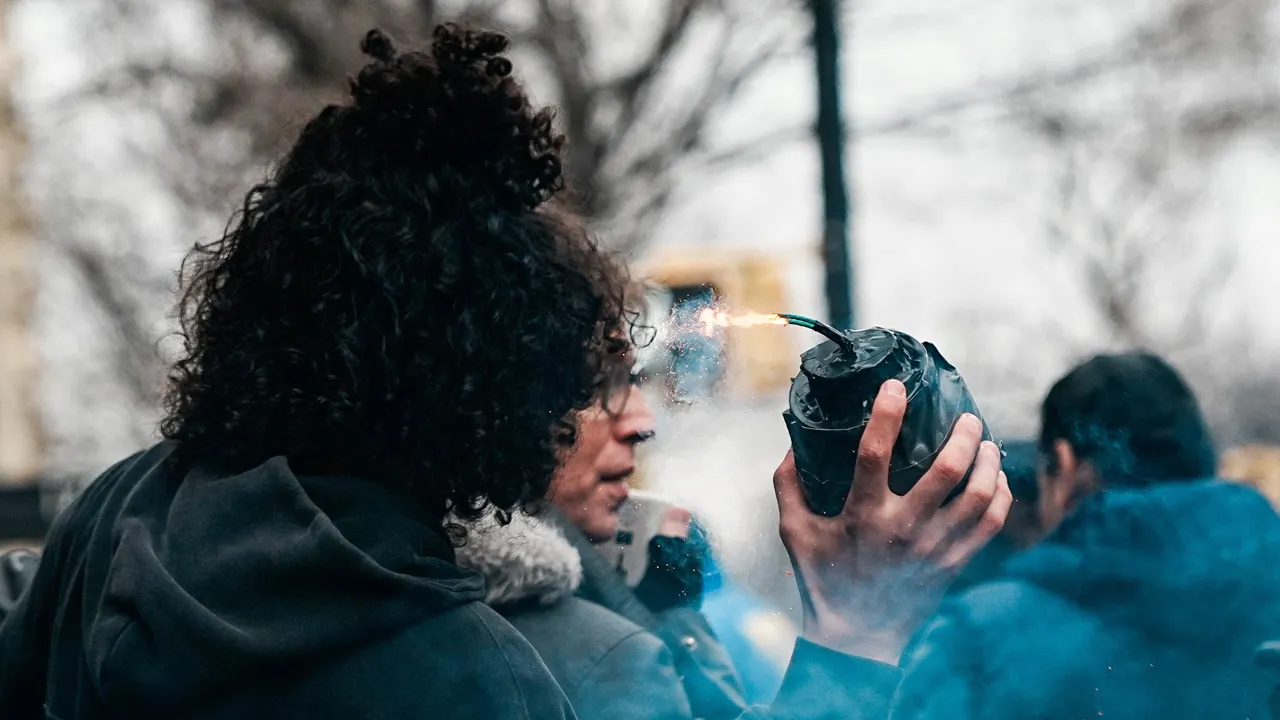
On a crisp Saturday morning in early September, the streets of New York City’s Upper East Side buzzed with an unusual mix of tension and civic fervor. East End Avenue, with its tree-lined elegance and proximity to Gracie Mansion—the stately home of Mayor Zohran Mamdani—became an unexpected battleground for clashing ideologies. Jake Lang, a vocal right-wing activist, had organized a rally to protest public Muslim prayer sessions at a local park, drawing crowds who believed in preserving what they saw as traditional values in their neighborhood. These opponents viewed the prayers as an encroachment on their community space, sparking heated debates online and offline. Meanwhile, counter-protesters arrived in solidarity, many carrying signs advocating for inclusivity and religious freedom, determined to defend their right to gather peacefully. The scene felt like a microcosm of America’s deepening divides—families with young kids gazed curiously, while seasoned protesters chanted slogans under a sky that whispered of autumn. Police officers, ever vigilant in the Big Apple, maintained a fragile barrier between the groups, using barricades to prevent direct confrontations. But as the morning wore on, the air thickened with palpable unease. An 18-year-old counter-protester, fueled by the escalating rhetoric, ignited what appeared to be a homemade device—a jar wrapped in black tape, resembling something from a dystopian movie— and hurled it toward the opposing rally. Witnesses described a chaotic moment: flames erupting briefly, black smoke billowing, and officers springing into action as the device fizzled out harmlessly near their feet. This wasn’t just an act of defiance; it was a spark in a powder keg. The young man tried to retrieve a second device from a 19-year-old accomplice before attempting to flee, but the NYPD’s swift response ended the attempt. Handcuffed and led away, two suspects—Emir Balat and Ibrahim Kayumi, both US citizens—became central to an unfolding drama that would dominate headlines and stir nationwide conversations about extremism, free speech, and public safety. As bystanders scattered, some shielding children and others capturing the scene on their phones, the incident highlighted how quickly peaceful demonstrations can devolve into something dangerous. Authorities later confirmed these were no mere fireworks or pranks; they were improvised explosive devices capable of causing severe harm. The initial detonation near Gracie Mansion, the mayor’s residence, underscored the vulnerability of public spaces in a city that prides itself as a melting pot. By afternoon, a third suspicious device was discovered in a Manhattan vehicle linked to the probe, raising alarms further. The FBI and NYPD joined forces, with the Joint Terrorism Task Force kicking into high gear—reviewing grainy video footage, collecting debris from the avenues, and interviewing shaken witnesses who spoke of hearing “Allahu Akbar” shouted by one suspect before the throw. This phrase, laden with cultural and religious connotations, amplified the narrative, evoking fears of radicalized youth amid broader debates on Islamic extremism. Yet, in humanizing this tale, one must consider the personal stories: Balat and Kayumi, reported to be average young men from the metro area, perhaps drawn by online influences or peer pressure. Their families, unaware and horrified, would face media scrutiny and social stigma, grappling with questions of how two seemingly ordinary lives led to such a juncture. The counter-protesters, including devout Muslim families celebrating their faith openly, felt vindicated but wary—had their actions led to escalation? And the activists on the other side, like Lang, insisted they were peaceful, yet wondered if their message fueled the fury. Mayor Mamdani, watching from afar, reflected on the city’s ethos of resilience and tolerance, issuing a statement that condemned hate while praising the officers who risked their lives. For the NYPD Bomb Squad, led by Commissioner Jessica Tisch, this was routine heroism—meticulously analyzing shrapnel like nuts, bolts, and screws packed inside jars with hobby fuses, devices that could maim or kill if successful. Tisch’s public detail about not being a hoax or smoke bomb added gravity, reminding everyone that freedom of expression comes with real risks. The incident echoed past tragedies, like the Boston Marathon bombing or the Tree of Life synagogue shooting, where everyday items morph into weapons of terror. In New York, the heartbeat of America, such events force introspection on how polarized voices can ignite literal flames. Community leaders rallied, calling for dialogue over division, while mental health experts highlighted the isolation that might drive young people to such acts. By evening, additional arrests swelled the number to five, with charges ranging from disorderly conduct to obstructing traffic—small infractions in a larger web of discontent. The city, ever adaptable, began processing the aftermath: counseling for affected residents, reinforced patrols, and public assurances that justice would prevail. Yet, beneath the official responses lay human truths—fear gripping subway commuters, parents questioning safety at parks, and a yearning for unity in a fractured world. This event wasn’t just news fodder; it was a mirror reflecting societal fractures, urging compassion and understanding in turbulent times.
Delving deeper into the human element, Emir Balat and Ibrahim Kayumi’s lives offer a poignant glimpse into the undercurrents shaping such incidents. Emir, at 18, was reportedly a recent high school graduate from a working-class neighborhood in Queens, juggling dreams of college amid the city’s relentless pace. Friends described him as outgoing, passionate about social justice, and active in online forums where radical ideas sometimes blended with youthful idealism. His arrest shocked those who knew him—a Eagles fan, a gamer, someone who volunteered at a local food bank during Ramadan. Ibrahim, 19, similarly hailed from a diverse Brooklyn borough, balancing part-time work at a deli with aspirations in tech. Colleagues painted him as quiet yet intense, influenced perhaps by global conflicts shared on social media, where narratives of oppression resonate strongly. Neither was a hardened criminal; their profiles suggested curiosity turned toxic, where virtual communities amplify grievances. The “Allahu Akbar” cry, a stark moment in the chaos, hinted at ideologies picked up from extremist networks sprawled across the digital frontier. Psychologists note how social media algorithms can radicalize individuals, creating echo chambers that glorify acts of defiance against perceived adversaries. For their families, the news hit like a sudden storm—mothers weeping in disbelief, fathers fielding invasive calls, siblings overwhelmed by embarrassment and worry. In conversations with reporters, a relative of Balat’s tearfully shared how he had always been protective of his younger sibling, never imagining the path that led to handcuffs and headlines. Kayumi’s family, striving for the American dream through hard work, mourned a lost future, wondering if alienation had played a role. This humanizes the suspects not to excuse but to explain, revealing how terrorism often stems from disenfranchisement rather than outright evil. Meanwhile, the victims of the event—innocent bystanders and officers—bear unseen scars. A police sergeant, with 20 years on the force, recounted the adrenaline-fueled pursuit, his heart racing as flames licked the air near his boots. “We train for this, but it’s never routine,” he confided, haunted by what-ifs. A counter-protester, a Muslim mother with toddlers, evacuated the scene with tears streaming, fearing backlash against her community. Her story resonated with many in New York, where the Muslim diaspora contributes vibrantly to the city’s fabric through businesses, arts, and cuisine. Jake Lang’s rally, intended as a stand against encroachment, now faced scrutiny; supporters argued it highlighted freedom, detractors called it provocation. Lang himself, a Tea Party veteran turned social media warrior, expressed regret over the violence while doubling down on his message. In humanizing the breadth, one sees parallels to global unrest— from Christchurch to Charlottesville, where words morph into weapons. Experts on counterterrorism emphasize early intervention, like community outreach programs that foster dialogue and provide alternatives to radicalization. Mayor Mamdani’s response, empathetic yet firm, appealed for calm, promising investigations led by the Southern District US Attorney’s Office. The Joint Terrorism Task Force, a coalition of agencies, dove into leads—tracing online trails, analyzing device components bought at hardware stores, and interrogating associates. Details like the hobby fuses and shrapnel underscored the accessibility of terror-making, accessible via YouTube tutorials. For the city, this incident demanded reflection: how to nurture unity without stifling dissent? Activists on both sides pushed for more moderated public spaces, while educators advocated for curriculum reforms teaching empathy. The human toll extended to economic ripples—prolonged NYPD resources strained budgets, while tourism dipped amid safety concerns. Yet, stories of compassion emerged: neighbors offering support to affected families, interfaith vigils strengthening bonds. This episode, though alarming, catalyzed conversations on healing divides, proving that even in crisis, humanity’s connective threads endure.
The Mayor’s Mansion, Gracie Mansion, stood as a silent witness to the unfolding tragedy, its historic charm juxtaposed against the modern chaos mere steps away. Built in the 1790s and residence to mayors since 1942, it embodies New York’s storied past—rallies, receptions, and now, a brush with terror. Zohran Mamdani, the newly elected mayor, awoke that Sunday to the news, his breakfast interrupted by calls from aides apprising him of IED findings. A progressive voice elected on promises of equity, Mamdani felt the weight of leadership acutely. His statement, posted on X, condemned both the protest and the violence unequivocally: “Such hate has no place in New York City. It is an affront to our city’s values and the unity that defines who we are.” He praised the NYPD’s heroics, underscoring that explosive devices represent “the antithesis of who we are.” For Mamdani, raised in a immigrant family himself, the event touched personal chords—alarm for public safety, sorrow for fractured communities. Behind the scenes, he coordinated with federal partners, ensuring resources flowed seamlessly. Commissioner Jessica Tisch, a trailblazer as the first woman to head the NYPD Bomb Squad, brought a human touch to the investigation. Her preliminary report clarified the devices’ lethality, countering hoax rumors and reinforcing the gravity. Tisch, mother of two, shared in interviews how balancing high-stakes work with family life mirrors many New Yorkers’ struggles. The Bomb Squad’s technicians, often unsung heroes, meticulously disassembled the jars, their hands steady despite the macabre contents—nuts and bolts turned into potential death shrapnel. This task, grueling yet vital, saved lives by preventing further incidents. Public reaction flooded social media, with hashtags like #NYCPride and #EndHate trendings moments of unity. Families affected by the ruse rally pondered therapy, as psychologists warned of lingering trauma from proximity to violence. One witness, an elderly resident of East End Avenue, described hiding in her apartment, heart pounding, as smoke wafted past her window. Her story humanizes the broader community—seniors who moved to the area for tranquility, now reconsidering safety. Journalists like Fox News’ Bill Melugin amplified voices from the ground, capturing raw emotions. Melugin, daughter of immigrants, saw parallels to global conflicts, stressing the need for empathy. Contributing reporters Alexandra Koch and CB Cotton wove in details of additional arrests, painting a fuller picture. The incident prompted policy debates— calls for stricter controls on homemade explosives, enhanced surveillance in protest zones. Yet, advocates warned of slippery slopes to censorship. Economically, small businesses near Gracie Mansion braced for impacts, while fundraisers emerged to support victims. In humanizing Zohran Mamdani’s role, one sees a leader grappling with ambition and empathy, striving to heal wounds in a city that never stops healing itself. His administration’s monitoring promised accountability, yet the human narrative demanded more—restorative justice for suspects, community dialogues. As the day ended, New Yorkers reflected on resilience, from 9/11’s shadows to this new scare, finding strength in shared humanity.
As the investigation intensified, the Joint Terrorism Task Force (JTTF) embarked on a meticulous process that showcased the intricacies of counterterrorism work. Comprising FBI agents, NYPD detectives, and representatives from other agencies, the JTTF’s teamwork epitomized collaborative resolve. They combed through CCTV footage from street cameras and nearby businesses, piecing together the timeline like detectives in a thriller novel. Witnesses, some anxious and others eager to help, provided accounts of the shouts and throws, humanizing the probe with firsthand stories of fear and bravery. A young barista at a nearby café recalled serving coffee to suspects hours before, oblivious to the storm brewing in their backpacks. Device analysis revealed creativity born of desperation—jars sourced from kitchens, tape from stores, a hobby fuse mimicking fireworks. This humanizes the threats: accessible tools in a do-it-yourself age, where online guides democratize danger. Interviews delved into motives, probing radicalization pathways. For Balat and Kayumi, preliminary findings suggested exposure to extremist content through apps and forums, where grievances against societal wrongs simmered. Defense strategies might emphasize immaturity or coercion, highlighting rehabilitation over retribution. Federal sources indicated potential terrorism charges, amplifying stakes. In parallel, the Southern District US Attorney’s Office prepared cases for arrests on disorderly conduct, a starting point toward deeper scrutiny. Public confidence wavered—polls showed increased worry about protests, yet stalwart support for law enforcement. Community forums filled with residents sharing stories: a teacher using the event to educate on extremism, a rabbi hosting interfaith listens. The human cost included emotional labor for investigators, many veterans of 9/11 bearing scars. One agent shared how the “Allahu Akbar” shout triggered PTSD, reminding of past jihadi calls. Media coverage, while sensational, also humanized—Fox News’ app listeners absorbed the narrative, fostering informed discourse. Broader implications loomed: funding shifts to security, potential reforms in protest laws. Yet, beacons of hope emerged—youth programs countering radical ideas, mentorship from reformed radicals. This phase of the saga illustrates how terror investigations blend high-tech forensics with human intuition, piecing together lives in crisis.
In the aftermath, New York City’s pulse quickened with reflection and action, underscoring the profound human impact of the incident. Families of the suspects navigated turmoil—legal aid attorneys offered free consultations, community leaders provided emotional support. Balat’s kin, huddled in family meetings, questioned influences from friends or schools, grieving a diverted path. Kayumi’s parents, immigrants themselves, worried about deportation fears, their dreams for education shattered. Counter-protesters organized support vigils, chanting for peace rather than polarization. Victims, though none fatally injured, received counseling— a cop treated for adrenaline shock, a family seeking therapy for children’s nightmares. The public grappled with empathy: surveys showed 70% favoring dialogue solutions. Mayor Mamdani’s follow-ups included town halls, where grievances aired openly. Experts forecasted long-term effects—potential rise in hate crimes, yet strengthened interfaith alliances. Economic rebounds began, with events at Gracie Mansion resuming cautiously. Personally, Commissioner Tisch advocated for mental health resources for first responders, drawing from her own experiences. The story humanized vulnerability, inspiring resilience. From a barista to a mayor, each person added threads to New York’s tapestry, teaching that unity transcends discord.
Media narratives expanded the incident’s reach, blending facts with emotional depth to engage audiences worldwide. Fox News, pioneering listenable articles, democratized access—survivors and experts shared on air, humanizing the ordeal. Related developments, like the Norway embassy incident, echoed symmetries of global unease. In summing up, this event spotlighted humanity’s duality: division’s dangers and community healing, urging vigilance amidst New York City’s enduring spirit.