






A tragic incident unfolded in the heart of New York City, reminding us all of the fragile nature of life in urban parks where laughter and sports should dominate. On a seemingly ordinary Thursday evening in Queens, 15-year-old Jaden Pierre was enjoying time at Roy Wilkins Park’s basketball court, a place many teens flock to for fun and games. It should have been a night of friendly competition, but instead, it turned deadly. According to the New York Police Department, around 6:15 p.m., a confrontation arose—several other teenagers approached Jaden, and in the chaos, a gunshot rang out, striking him in the chest. Horrified bystanders scrambled to help, rushing him to Jamaica Hospital in critical condition. Despite the best efforts of medical staff, Jaden succumbed to his injuries later that night. This wasn’t just an isolated act; it was a stark echo of the ongoing struggles with youth violence in the city. Parks like this are meant to be safe havens for kids to build friendships and skills, but too often, they become stages for senseless tragedies. Imagine the park’s vibrant energy—kids dribbling balls, shouting plays, dreaming of NBA glory—suddenly pierced by violence. Jaden, described by those who knew him as a talented basketball player and a “cool kid,” had his potential cut short far too soon. As a community, we mourn not just his loss but the shattered innocence of spaces that should foster growth. This incident highlights how quickly normal outings can turn into nightmares, forcing us to confront the deeper issues of safety and support for young people in bustling neighborhoods.
Witnesses to the scene shared gut-wrenching firsthand accounts that paint a picture of panic and helplessness. One young man, speaking to CBS News, recounted rushing over after hearing the shot, only to find his friend lying lifeless on the ground. “I seen a kid lying dead,” he said, his voice trembling as he remembered Jaden from their shared court days—a guy known for his hoops skills and easygoing vibe. It’s heartbreaking to think of this teenager processing such trauma in real-time, checking on friends while grappling with the shock of losing one. Other onlookers described a group gathering around Jaden and another person involved in a dispute, with blows being exchanged before the shot and the ensuing chaos. The park, usually filled with the sounds of sneakers squeaking and enthusiastic cheers, became eerily silent as people fled or called for help. This story underscores the human element of these moments: ordinary kids caught in escalating conflicts, their lives forever altered by impulses and circumstances. We’ve all heard tales of playground scuffles that should end in timeouts, not tragedy. Jaden’s death serves as a poignant reminder to intervene early in disputes, to foster empathy among youth, and to create environments where words triumph over violence. The fear and grief in the air that night linger, urging parents and communities to talk openly about intolerance and respect. By sharing these stories, we keep Jaden’s memory alive and push for change that honors his vibrant spirit.
Adding to the heartbreak are the videos that have spread across social media, capturing the raw, unfiltered horror that words alone can’t convey. Footage circulating on X (formerly Twitter) shows a crowd encircling Jaden and another individual, with the young man being punched repeatedly before everyone scatters in a flurry. It’s like watching a nightmare unfold through a smartphone lens, where the thrill of recording overshadows the urge to de-escalate. These clips don’t just document events; they expose a troubling trend where bystanders prioritize viral content over human compassion. Imagine being part of that crowd—deciding to film instead of pulling people apart or calling for peace. It’s a moral reckoning that forces us to question how technology, meant to connect, sometimes amplifies disconnection. Jaden’s ordeal, captured in shaky handheld videos, humanizes the statistics of gun violence, making it personal and inescapable. We see a vulnerable teenager, full of life, ensnared in a mob mentality that none should endure. This incident echoes broader societal issues, like the influence of social media on behavior and the desensitization to real pain. As viewers, we’re compelled to look away yet can’t, searching for lessons in accountability. It’s a call to action for digital responsibility: to set down phones and step up in moments of crisis, to protect rather than perpetrate harm.
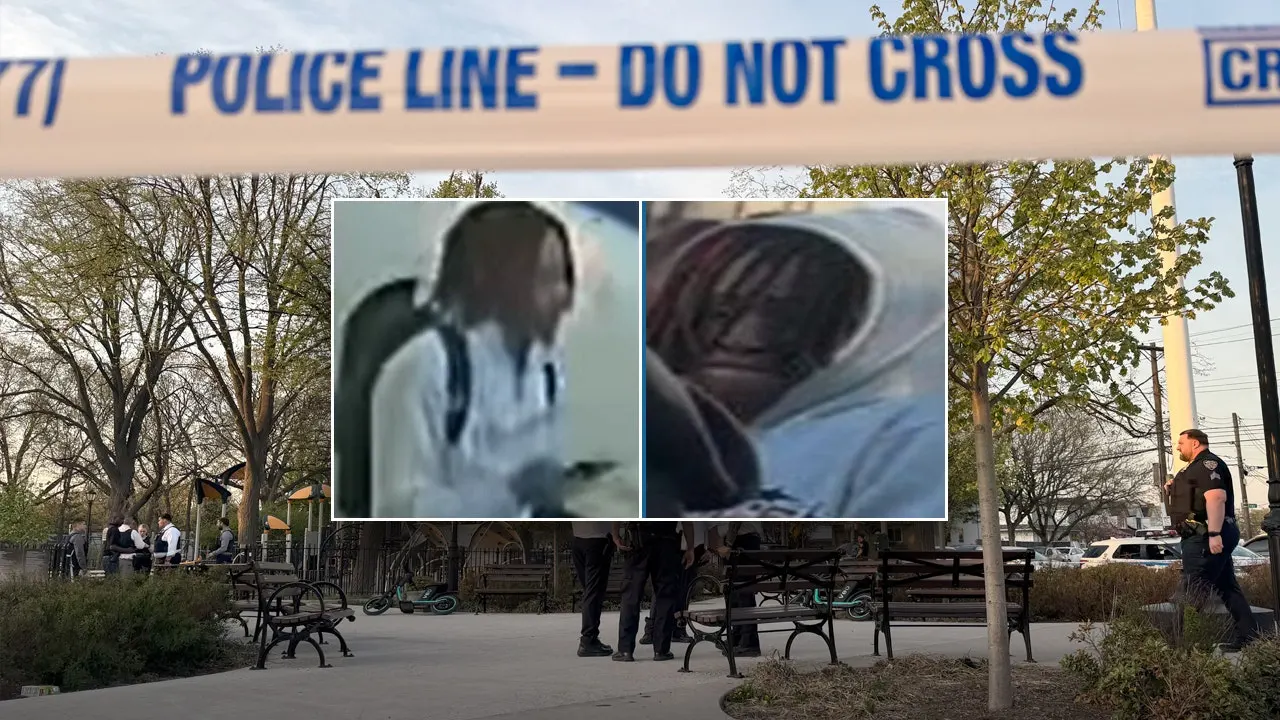
Authorities are actively investigating, determined to bring justice and prevent future losses in the face of this senseless act. As of Saturday, no arrests have been made, but the NYPD has released photos of a person of interest believed to be connected to the shooting, urging public help in identifying him. This step shows their commitment in a city where gun violence claims too many young lives, but it also highlights the challenges in swiftly breaking down barriers to information. The department’s efforts are part of a larger push to demilitarize disputes and build trust in communities plagued by similar events. Residents feel a mix of hope and frustration—hope that tips will lead to closure, frustration that it took a death to galvanize action. This pursuit isn’t just procedural; it’s a race against time to honor Jaden’s legacy and reassure families that their voices matter. By involving the public, the NYPD fosters a sense of shared responsibility, turning bystanders into allies. It’s a reminder that safety in urban areas requires collective vigilance, from enhanced patrols to community dialogues. Jaden’s story motivates us to demand more resources for youth programs, mental health support, and conflict resolution, envisioning a Queens where parks are truly playgrounds, not battlegrounds.
Community leaders and officials have spoken out with heartfelt condemnation, amplifying the outcry against this violence. New York Attorney General Letitia James expressed deep sorrow on X, sharing that her heart was heavy after losing a 15-year-old to gun violence. She vowed to fight tirelessly for solutions, including stricter firearms regulations and community initiatives. Her words resonate as a plea for empathy in a divided world, urging prayers for Jaden’s family, friends, and the broader community. Pastor Cory Brooks of Project H.O.O.D. went further, describing his heart as “shattered” by the crowd’s inaction—filming the beating and cheering instead of intervening. He called it a “senseless act” in a place meant for joy, using the image of children “devouring” each other to highlight moral decay. Brooks’s powerful statement challenges us to cultivate compassion, to reject bystander apathy fostered by endless scrolling. These voices aren’t just reacting; they’re advocating for systemic change, like restorative justice and anti-violence education. In our shared humanity, their grief mirrors the community’s, pushing for unity over division. Jaden’s death becomes a catalyst for dialogue, bridging divides among politicians, faith leaders, and everyday people. We must honor him by nurturing environments where violence is an anomaly, not an expectation, ensuring no child feels hunted in their own backyard.
Finally, as the city mourns and investigates, help is sought from anyone with details that could crack this case and stem the tide of such horrors. The NYPD encourages withholding no stones, asking for calls to the Crime Stoppers hotline at 1-800-577-TIPS (8477) or the Spanish line at 1-888-57-PISTA (74782). Online submissions via the Crime Stoppers website or X at @NYPDTIPS are also available, offering anonymity for those reluctant to speak out. This outreach isn’t merely procedural; it’s an invitation to community involvement in healing wounds. Jaden’s family deserves closure, and the youth of Queens need assurance that their safety is paramount. By coming forward, we collectively refuse to let fear silence us, building a network of courage that can prevent the next tragedy. This story urges action beyond sympathy—donating to local programs, mentoring at-risk kids, advocating for gun reform. In humanizing Jaden’s loss, we see a boy who loved basketball, who dreamed and laughed, taken too soon. Let his memory inspire empathy, swift justice, and enduring peace, transforming pain into purpose for a better, safer future.