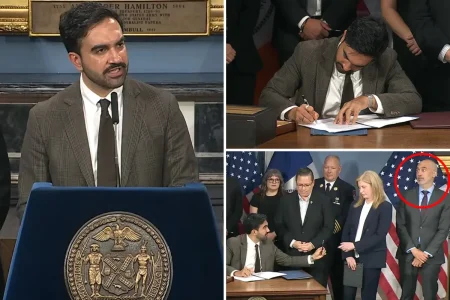





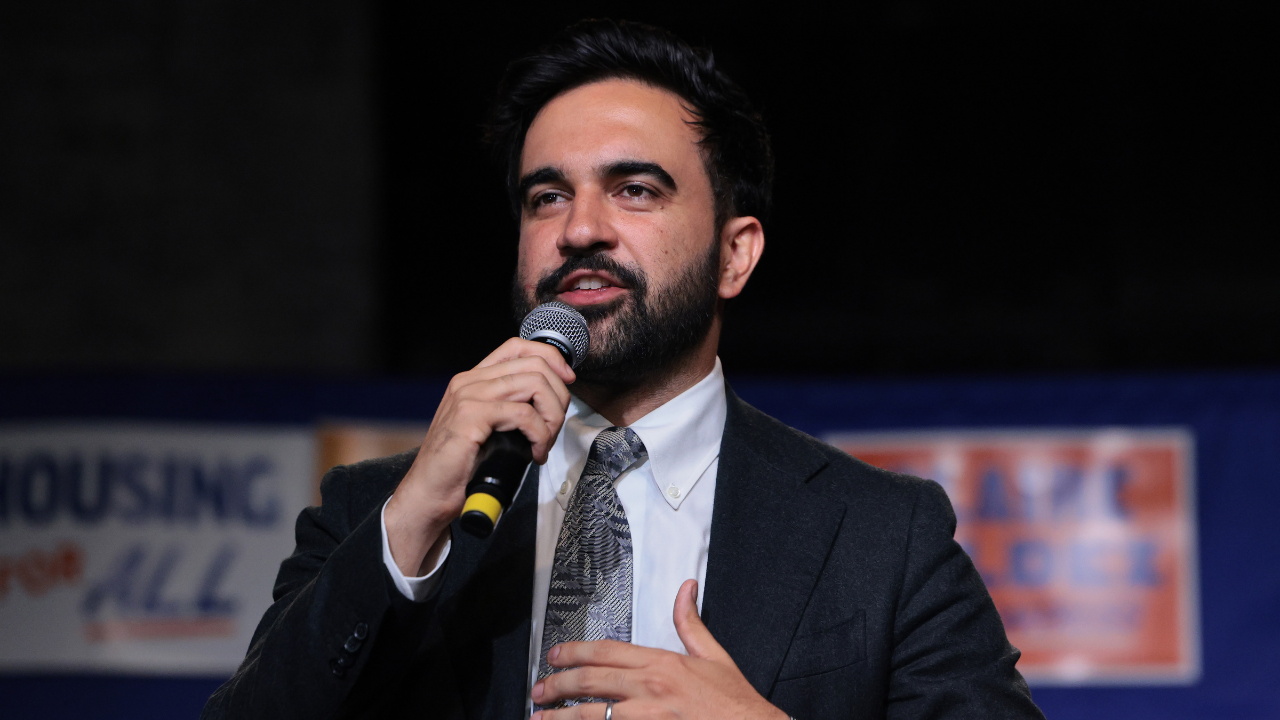
In the heart of New York City’s endless debate over affordable housing, Arpit Gupta stands as a lone, cautious voice of dissent. As the only member of the city’s Rent Guidelines Board to vote against a historic rent freeze, Gupta warns that well-intentioned policies can carry quiet, devastating side effects. An associate professor of finance at New York University’s Stern School of Business, Gupta views the board’s recent decision not as a triumph for tenants, but as a “slow burn” that could inadvertently compromise the safety and quality of the city’s housing stock. By completely choking off rental income growth, he fears the city is setting a trap for older, vulnerable buildings that rely entirely on regulated rents to survive, ultimately forcing them into a state of decay.
This legislative shift represents a major victory for Mayor Zohran Mamdani, who made a comprehensive rent freeze a cornerstone of his administration’s agenda. The newly passed measure goes far beyond previous adjustments, impacting roughly one million rent-stabilized apartments and freezing rates for both one- and two-year leases starting in October 2026. For property owners, this means some could be legally barred from raising rents until late autumn of 2029. While Board Chair Chantella Mitchell acknowledged that landlords face soaring insurance premiums and rising property taxes, she maintained that the majority of owners are financially equipped to absorb these costs. Gupta does not entirely disagree that modern, mixed-income developments will survive, but he emphasizes that the policy fails to distinguish between wealthy real estate conglomerates and struggling owners of aging, rent-controlled properties who have no other revenue streams.
Gupta’s primary concern is that denying landlords the revenue needed for basic upkeep will trigger a wave of deferred maintenance. When cash flow dries up, property owners are forced to make hard choices, often delaying crucial repairs to roofs, plumbing, and heating systems. Over time, this neglect erodes the living conditions of the very tenants the freeze was designed to protect. Beyond the physical deterioration of the buildings, Gupta warns of a compounding financial distress. Landlords who cannot meet their basic operating expenses will eventually fall behind on mortgage payments, property insurance, and municipal taxes. This financial downward spiral could lead to widespread foreclosures, bank takeovers, or tax lien sales, destabilizing entire neighborhoods and leaving properties in the hands of temporary caretakers who have little incentive to invest in communities.
Furthermore, Gupta argues that a blanket rent freeze is a blunt, inefficient tool that fails to direct aid to those who need it most. Currently, the city’s rent-stabilization system benefits a highly diverse demographic, including households making well into six figures, while many impoverished New Yorkers living in market-rate apartments receive no protection at all. Gupta points out that freezing one block of the housing market can actually drive up market-rate rents elsewhere, exacerbating the crisis for marginalized families. Instead of a sweeping freeze, he advocates for expanding existing targeted relief programs—such as those currently assisting low-income seniors and disabled residents—to ensure municipal financial support goes directly to economically vulnerable tenants without stripping housing providers of the capital required to maintain safe buildings.
Another troubling side effect of the policy is the growing phenomenon of “warehousing,” where landlords choose to leave apartments vacant rather than lease them out. With tens of thousands of stabilized units currently sitting empty across the five boroughs, Gupta notes that many owners simply cannot afford the steep cost of renovating older units to meet modern code requirements. Following the passage of the 2019 Housing Stability and Tenant Protection Act, which eliminated the “vacancy bonus” that allowed landlords to raise rents to help recoup renovation costs, the incentive to upgrade and rent out older apartments vanished. The new rent freeze only intensifies this gridlock, keeping heavily damaged or outdated apartments off the market entirely at a time when the city desperately needs more available housing.
Despite the intense polarization surrounding the vote, Gupta maintains a respectful relationship with his colleagues and rejects the notion that the board was explicitly ordered by the mayor’s office to pass the freeze. However, other former members, such as Christina Smyth, resigned in protest, claiming the board had ceased to function as an independent, fact-finding body. Looking ahead, Gupta’s deepest worry is that this freeze is not a temporary emergency measure, but the beginning of an indefinite policy cycle, echoing Mayor Mamdani’s campaign promise to freeze rents every single year of his term. Without clear benchmarks for when rent increases might be restored, Gupta fears the city is embarking on an unsustainable path that prioritizes short-term political victories over the long-term structural health of New York’s neighborhoods.