

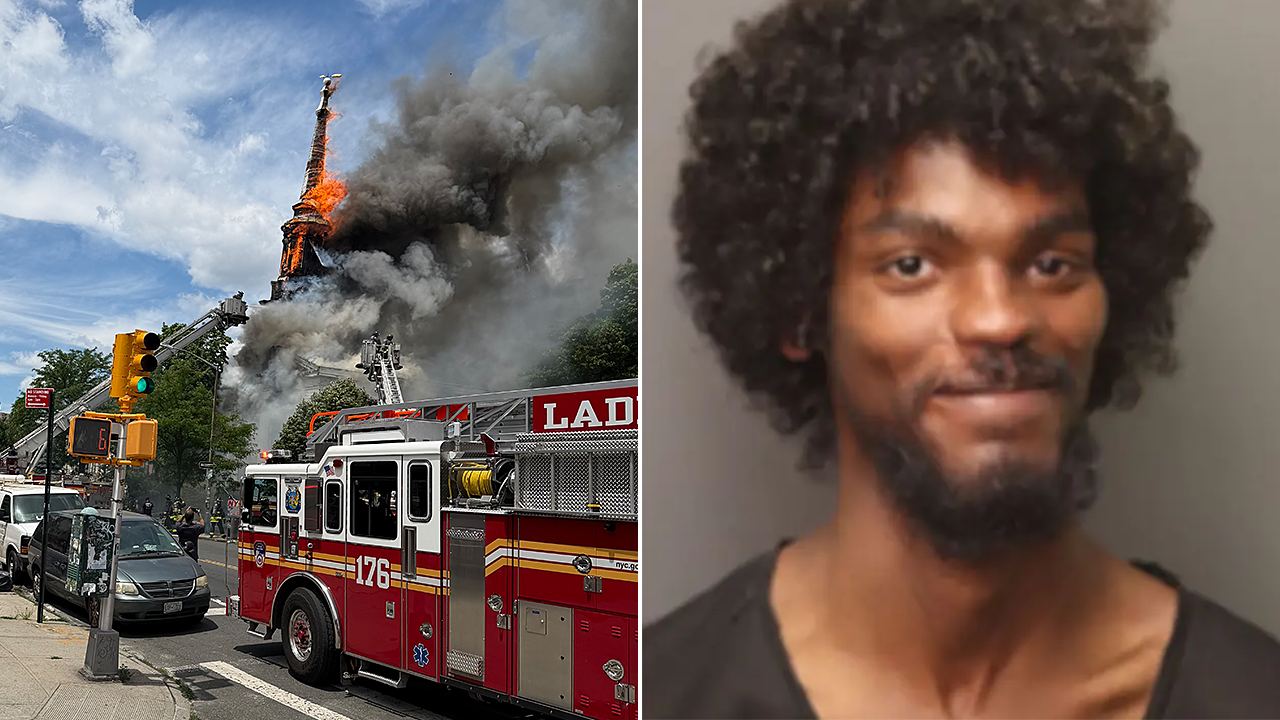
The physical landscape of Brooklyn, New York, is defined by its architectural history, but more importantly, by the sanctuary that these historic spaces offer to generations of diverse communities. On June 19, that sense of peace and historical continuity was shattered when a devastating three-alarm fire tore through the South Bushwick Reformed Church, a cherished 173-year-old landmark. Built in the 1850s, the church was much more than a collection of timber and bricks; it was a cornerstone of neighborhood identity, earning a spot on the National Register of Historic Places in 1982 and designated as an official New York City landmark in 1968. The fire did not merely damage the exterior; it completely gutted the interior, causing the church’s iconic spire to collapse in a tragic heap of ash and smoke, while obliterating thousands of irreplaceable historic artifacts. The emotional toll on the local congregation and the surrounding neighborhood was profound, as residents watched decades of memories, spiritual solace, and architectural heritage vanish into the summer sky, leaving behind a scarred community grappling with an immense, heartbreaking loss.
The search for answers quickly led authorities to a deeply troubling suspect: 24-year-old John Jones, a young homeless man whose life had evidently spiraled into a dark vortex of isolation and violent intent. Jones was apprehended not at the scene of the ruined church, but days later following a seemingly minor shoplifting incident at a CVS pharmacy in Midtown Manhattan. When he appeared in criminal court to face charges for the petty theft, a much more sinister reality unfolded as federal investigators linked him directly to the catastrophic Brooklyn arson. During subsequent interrogations, Jones openly admitted to setting the devastating blaze that destroyed the South Bushwick Reformed Church, ending any speculation about whether the fire was an unfortunate accident. His confession painted a sobering picture of a young man disconnected from society, wandering the streets of New York, carrying a burden of destructive anger that he ultimately chose to unleash upon a defenseless house of worship.
What investigators discovered next shifted the narrative from a single act of property destruction to a terrifying glimpse into a highly dangerous, premeditated campaign of violence. Prosecutors filed a detailed detention memo revealing that they had recovered a personal notebook belonging to Jones, which contained a highly disturbing handwritten chart outlining future targets and gruesome acts of violence. The chart featured columns under chilling, explicit headings such as “murder them,” “kill them,” “stab them,” “make them pay,” and “rape him,” accompanied by meticulous tally marks. Among these horrifying notes were repeated, misspelled references to “churches,” indicating a fixated, deeply unsettled mind focused on systematically attacking religious institutions. This revelation transformed the investigation, exposing a broader threat to public safety and revealing that the destruction of the South Bushwick Reformed Church was merely one piece of a much larger, unfinished blueprint of terror.
The events of that fateful June afternoon, reconstructed through security footage and the criminal complaint, highlight the chillingly casual manner in which the historic structure was targeted. Surveillance video captured Jones initially attempting to enter the church, but after being denied entry, he simply walked across the street to a local store to purchase a lighter. Returning to the side of the building, he used the newly purchased lighter to spark the fire in broad daylight, with security footage showing a massive plume of smoke billowing from the church shortly thereafter. Furthermore, federal prosecutors revealed that Jones confessed to attempting to burn down a second, unnamed church in Brooklyn shortly before his arrest. This disturbing timeline illustrates not only a shocking lack of regard for human life and communal spaces but also a persistent, escalating pattern of behavior that, if left unchecked, would have undoubtedly resulted in further devastation across the city.
In the wake of his arrest, city officials and law enforcement leaders spoke out strongly, expressing both their grief over the lost landmark and their commitment to ensuring justice for the affected community. NYPD Commissioner Jessica Tisch condemned the attack, emphasizing that New Yorkers deserve the fundamental right to practice their faith freely and without fear, promising swift justice for the reckless endangerment of Brooklyn residents. FDNY Commissioner Lillian Bonsignore echoed these sentiments, pointing out that the intentional burning of a house of worship is not only an assault on a community’s safety but also a direct threat to the brave first responders who risked their lives to control the massive three-alarm blaze. Jones has since been charged with federal arson, a crime that carries a maximum prison sentence of 20 years, and prosecutors are fighting to keep him detained without bail as he awaits his formal arraignment.
This tragedy stands as a stark reminder of the fragile intersection between urban vulnerability, untreated mental health struggles among the unhoused population, and the preservation of sacred community spaces. While the bricks of the South Bushwick Reformed Church can eventually be rebuilt, the loss of history, the destruction of priceless artifacts, and the trauma inflicted upon the congregation will take years to heal. The story of John Jones is a complex, heartbreaking narrative of a young man lost to the fringes of society who chose to manifest his internal chaos through the destruction of a place meant to offer hope and salvation. As the legal system prepares to hold Jones accountable for his actions, the people of Brooklyn are left to rebuild, finding strength in their shared resilience and proving that while a building can be burned down, the spirit of a community united in faith and mutual support cannot be so easily destroyed.