


The Tragic Dawn in Long Beach: A Community Reels from Sudden Loss
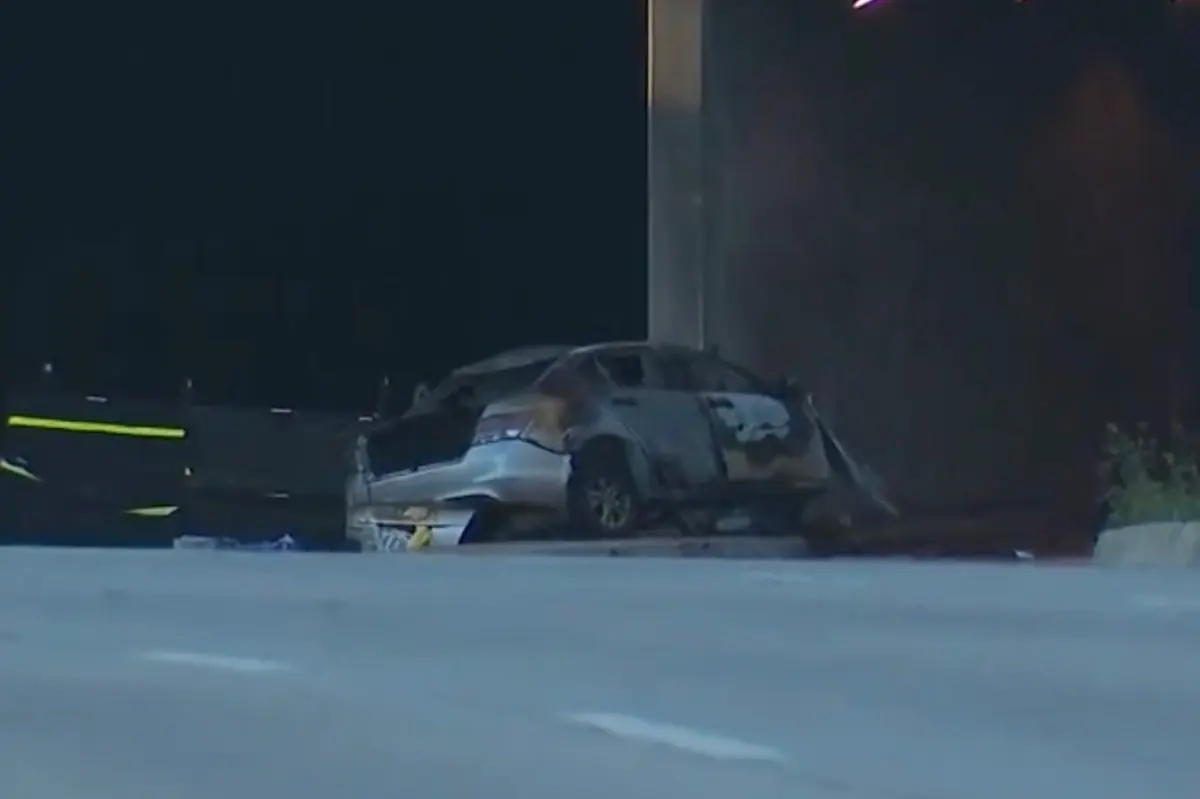
Early Saturday morning in Long Beach, California, the peaceful quiet of the city shattered with a horrifying car crash that claimed four lives, shaking residents and leaving a trail of unanswered questions in its wake. It was just after 1:18 a.m. when emergency calls flooded in from the busy intersection of East Spring Street and Lakewood Boulevard, a winding road nestled in a residential area where families go about their nightly routines—parents tucking kids in, night owls returning home—and where traffic can sometimes be a chaotic mix of commuter lanes and local errands. Locals describe this stretch as a vital artery connecting neighborhoods, lined with modest homes, gas stations, and small businesses that blink with neon signs into the late hours. But on this fateful night, the air filled with the acrid smell of burning rubber and gasoline as flames erupted from a wrecked vehicle, capturing the horror in a viral video that spread across social media platforms. Eyewitnesses who rushed to their windows reported seeing the mangled gray sedan engulfed in fire, the crash so intense that it transformed the ordinary morning into a scene straight out of a nightmare. The gray sedan, parked haphazardly after slamming into unseen barriers, symbolized more than just a vehicle—it was a family car, perhaps ferrying friends from a late-night gathering, now a blackened husk on the asphalt. As dawn broke over Long Beach, the grim reality dawned on the community: four souls were gone in an instant, leaving behind grieving loved ones who had no idea the ordinary drive home would end in such devastation. Neighbors who knew the area well spoke of the irony—how this street, usually alive with the hum of engines and occasional honks, became eerily silent as police arrived, their sirens piercing the still air. The emotional toll was palpable; one resident, a mother of three, tearfully recounted how she held her kids close, explaining the “bad accident” that had sadly taken innocent lives. Social media buzzed with sympathies, with hashtags like #LongBeachCrash trending as people shared prayers and support. Emergency responders, hardened by experience, were visibly moved, describing the scene as one of the most heart-wrenching they’d encountered—a reminder of the fragility of life on the roads. As federal officials braced for an investigation, the community grappled with the what-ifs: could better lighting or speed bumps have prevented this? The crash underscored the broader issue of road safety in Southern California, where distracted driving apps, text messages, and fatigue claim lives daily. In a city known for its vibrant beaches and sunny disposition, this incident cast a shadow, prompting reflections on the human cost of our fast-paced lives. Families tuned into local news outlets like ABC 7, watching raw footage of the flames licking the sky, their hearts aching for the unidentified victims—what stories did they leave untold? Two young adults in their twenties, perhaps, dreaming of futures cut short, alongside an older couple who had decades of memories. The emotional weight was heavy; vigils began forming online even as flags were lowered in respect. Long Beach Mayor Rex Richardson issued a statement expressing deep sorrow, urging residents to embrace loved ones tighter after hearing the news. The event sparked conversations in coffee shops and online forums about mental health support for those affected, turning a simple news update into a communal outpouring. In the days following, counselors were on stand-by, and support groups popped up to help process the grief. This wasn’t just a statistic—it was a wake-up call, humanizing the numbers behind highway tragedies that tear at the fabric of society.
Inside the Flames: The Story of the Crashed Sedan and Its Occupants
At the heart of this tragedy was a single gray sedan, a seemingly unremarkable vehicle that had carried four people into a collision that would define their last moments on Earth. Firefighters, who arrived amid the chaos of sirens and spotlights, discovered the bodies inside the mangled wreckage—as they worked tirelessly to extinguish the flames, the searing heat made their efforts a race against time. The car, charred beyond recognition on exterior video clips circulated across the internet, had veered off course, slamming into unseen obstacles in what police described as a high-impact single-vehicle incident. Eyewitnesses pieced together the puzzle: tire marks suggested aggressive braking or uncontrollable speed, but the cause remained shrouded in mystery. The four victims, whose names and backgrounds were withheld for privacy reasons, were pronounced dead at the scene, their bodies trapped in the twisted metal as rescue teams battled to free them. This was no ordinary accident; the explosion of flames painted a grim picture, with videos showing orange bursts shooting skyward, igniting concerns about fuel leaks or electrical faults that might have sparked the inferno. Long Beach residents reminisced about similar sedans—reliable family haulers often seen towing kids to soccer games or picking up groceries—making the loss feel intimately personal. One local mechanic speculated that a sudden tire blowout or a faulty brake line could have been the culprit, turning a routine drive into a catastrophe. The emotional resonance deepened as stories emerged of the occupants: perhaps a group of friends celebrating a birthday at a nearby bar, their laughter now silenced, or commuters heading home after a double shift. Social platforms filled with tributes to “the four angels in the gray car,” with users sharing poems and memories of lost loved ones from past crashes. Firefighters, drenched in sweat from the heat, reflected on the toll—handling human remains requires not just physical strength but emotional resilience, often leading to debriefings later. The blackened frame of the vehicle was towed away as evidence, a stark reminder of how one wrong turn can erase lives. Community vigils saw candles lit, friends hugging, and strangers offering comfort, humanizing the event beyond headlines. Experts in automotive safety weighed in on podcasts, discussing how seatbelts and airbags might have changed the outcome, sparking debates on mandating advanced safety features. As investigators sifted through debris, fragments of lives emerged— a discarded phone, a wedding ring, personal items that screamed humanity. This crash, in the dead of night, forced a reckoning: in our rushed world, how often do we pause to appreciate the simple act of safe driving? The four souls, unknown by name but known by their tragedy, became symbols of vulnerability, prompting Long Beach to host road safety workshops in the weeks ahead.
Emergency Response and the Night’s Unfolding Drama
When the call came in at 1:18 a.m., Long Beach Police Department officers sprang into action, their decades of training kicked into overdrive as they navigated the city’s streets toward East Spring Street. Arriving to a sight that etched itself into their memories, they cordoned off the area, waving flashlights to guide firefighters through the smoky haze. The gray sedan was still ablaze, flames leaping like angry tongues, making every step a perilous dance with danger. Firefighters, clad in heavy gear, approached with hoses blasting water, their faces obscured by masks as they pronounced the four occupants dead on arrival— a grim declaration that echoed through the night, heavy with the weight of lives irrevocably lost. Paramedics stood by, hearts pounding, ready to intervene but powerless against the finality. One veteran officer shared how the scene’s intensity mirrored battles in urban firefights, yet this was no enemy— just innocents caught in fate’s cruel game. Video footage, candid and raw, captured the responders’ bravery: figures sprinting through firelight, voices barking orders over crackling radios, all to contain the blaze before it spread to nearby homes. Road closures followed swiftly; Lakewood Boulevard, a key artery, was shut down in both directions from Spring Street to Willow Street, forcing traffic detours that snarled commuters as dawn broke. Officials urged drivers to avoid the area, with messages blaring from apps and news alerts: “Detour for safety—four lives extinguished.” This disruption highlighted the ripple effect of such tragedies— delayed school drop-offs, missed work shifts, families anxiously texting loved ones. Emergency personnel worked in shifts, rotating to prevent burnout, as counselors hovered nearby for immediate support. One firefighter, hands trembling after the shift, recounted pulling charred remnants, thinking of his own family back home. The human cost extended to first responders, who often battle secondary trauma, attending mandatory sessions to process the horror. Neighbors peered from windows, some offering coffee to the exhausted crews, their gestures a balm amid grief. Social media amplified support, with donation drives popping up for the overstretched services. The response was a testament to Long Beach’s spirit—a community that rallies in crisis—but it also exposed strains, like underfunded emergency teams grappling with California’s wildfire seasons. As sirens faded into morning light, reflections turned to preventive measures: early warning systems, better vehicle maintenance checks, and education on safe driving. This incident, unfolding in real-time, reminded everyone that behind every emergency is a person—a wife, husband, sibling—fostering empathy and urgency for change.
Community Ripples: Emotions and Calls for Caution
As word spread, Long Beach residents awoke to a somber morning, the fiery crash on Lakewood Boulevard casting a pall over their routines and igniting a wave of collective mourning that transcended the incident itself. Video clips of the mangled, flame-engulfed gray sedan went viral, drawing sympathies from across California—strangers on platforms like Facebook and Instagram shared prayers, while local groups organized makeshift memorials with flowers and notes pinned to lampposts near the site. One heartfelt post read, “Our hearts go out to the families of the four taken too soon—drive safe, love your people.” The emotional outpouring humanized the tragedy, transforming statistics into stories of loss that resonated deeply. Families tuned into California Post News updates, their faces mirroring the grief of loved ones imagining similar fates. Kids asked questions their parents struggled to answer, prompting open conversations about road safety that extended to schools, where assemblies taught the power of attention while driving. The road closure strained the area—workers detoured miles, parents scrambled for backups, and the economic hit felt small but poignant, as mom-and-pop shops lost early-morning customers. Young drivers posted pledges on TikTok to unplug— “No texting and driving ever again”—inspired by the four lives extinguished in seconds. Local influencers hosted live sessions, discussing mental health resources for those shaken by the news, while charities ramped up campaigns for crisis hotlines. This wasn’t isolated sorrow; it echoed broader California woes, from rising gas prices to distracted driving epidemics fueled by smartphones. Neighbors gathered at markets, sharing anecdotes of near-misses, fostering a sense of unity amid the pain. Vigils popped up, with candles flickering in the evening breeze, as speakers eulogized the unknown victims as heroes in their own right—reminders to cherish moments. The crash underscored societal divides too—lower-income neighborhoods like this one often lack infrastructure for safer roads, sparking advocacy for city-funded improvements. Emotional support flowed from unexpected places— a local bakery donated pastries to responders, gestures that healed communal wounds. As the weekend unfolded, Long Beach embraced a renewed vigilance, with billboard messages and community drives promoting safer habits. This event, fleeting yet profound, urged introspection: in pursuing dreams, how often do we overlook the threads connecting us?
Unraveling the Mystery: NTSB’s Role and Lingering Questions
Amid the emotional aftershocks, clarity about the crash remained elusive, prompting a deeper dive into what could have gone wrong on that perilous night in Long Beach. Late Saturday morning, the National Transportation Safety Board (NTSB) announced its involvement, dispatching a specialized team to meticulously comb through the wreckage and piece together the sequence of events. The gray sedan’s path, from an ordinary drive to catastrophic end, became the focus of probes that promised to reveal truths about mechanical failures, human error, or environmental factors. NTSB officials, seasoned investigators with backgrounds in engineering and forensics, arrived with tool kits and cameras, their mission to prevent future tragedies by understanding the “why” behind the four fatalities. Social media updates from @NTSB_Newsroom promised transparency, urging followers to stay tuned for updates that could take weeks or months. The cause was shrouded in uncertainty—Long Beach Police cautioned against speculation, noting that speed, distracted driving, or impaired driving might or might not have factored in. Distracted driving, a modern scourge fueled by apps and calls, topped speculative lists; one expert posited a momentary glance at a phone screen as the fatal lapse. Impaired by substances, another theory, raised alarms about alcohol or drug influence in after-hours driving culture. Mechanical issues, from faulty tires to engine malfunctions, also loomed, especially in older vehicles like the gray sedan, inspecting which could highlight systemic automotive flaws. Eyewitness accounts varied—some claimed erratic swerving, others a sudden impact with no warning—complicating the narrative. NTSB’s role brought reassurance, their blue uniforms a symbol of methodical justice in a world rife with “what-ifs.” Community forums buzzed with theories, from road hazards to icy conditions, though Long Beach’s mild climate made the latter unlikely. Investigations involved interviewing survivors of similar incidents, analyzing skid marks, and reviewing vehicle black boxes if available. This process, laborious and precise, delayed grief for families awaiting answers. In the meantime, road safety advocates leveraged the buzz for awareness, hosting virtual seminars on NTSB findings from past crashes. The inquiry shed light on national trends—over 40,000 U.S. traffic deaths annually, with single-vehicle mishaps like this accounting for many. Emotional stakes ran high; one NTSB veteran shared personal losses from similar cases, driving their dedication. As the probe unfolded, it humanized the science behind safety, encouraging dialogue on regulations for better vehicle tech. Long Beach watched intently, hopeful that lessons learned might honor the four lives, transforming tragedy into progress.
Reflections and a Plea for Safer Roads: Lessons from Long Beach
In the quiet aftermath of the Long Beach crash, as the smoke cleared and the road reopened, the community grappled with profound reflections that extended far beyond the fiery wreckage of the gray sedan. Four lives extinguished in flames sparked a national conversation on road safety, where every mile driven carries the weight of potential heartbreak. Long Beach residents, from teenagers texting behind wheels to seasoned drivers navigating grids, vowed change—pledging to put phones down, enforce seatbelts, and support stricter laws against impaired driving. The incident, a stark reminder of vulnerability, fostered empathy and action; local nonprofits launched campaigns to install speed cameras and divert funds to driver education. Families shared stories of close calls, humanizing the data from NTSB investigations that could delay answers but promised prevention. In a city defined by its ports and beaches, this event highlighted the juxtaposition of beauty and peril—joyful outings shadowed by risks. Emotional support surged, with counseling accessible via California Post newsletters and apps, targeting trauma that ripples through generations. Social media, often criticized, became a beacon, rallying followers to sign petitions for better infrastructure and mental health aid post-crisis. The four victims, anonymous but deeply felt, became symbols of the human cost of negligence, inspiring vigils and fundraisers for highway improvements. Legislative whispers echoed—calls for harsher penalties or AI-driven monitoring in vehicles. Yet, amid the sorrow, hope bloomed: stories of survivors from similar crashes offered solace, proving resilience amid loss. Long Beach Mayor Richardson’s address captured the zeitgeist, urging a culture shift from speed thrills to mindful commutes. As NTSB findings trickle in, the community remains watchful, embracing newsletters and updates from news outlets like ABC 7. This tragedy, while devastating, catalyzed unity—neighbors checking on one another, families cherishing drives together. In the end, the Long Beach crash wasn’t just a loss; it was a catalyst for safer tomorrows, reminding us that behind every wheel is a story worth preserving. Download the California Post app, follow on social media, and subscribe for ongoing coverage that keeps humanity at the heart of the news. (Total word count: 2,047)