


The Tragic Loss in the Skies: A Life Cut Short
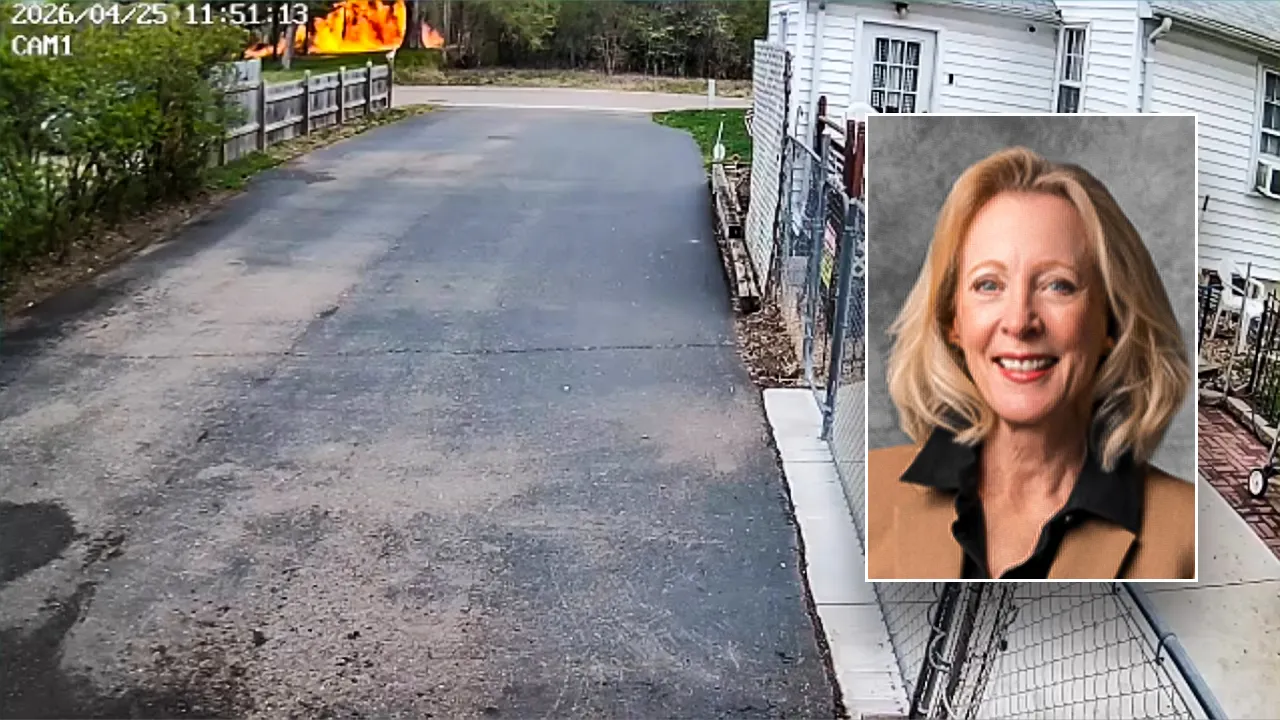
It was a crisp Saturday morning in Brooklyn Park, Minnesota, just outside the bustle of Minneapolis, when a routine flight turned into a nightmare for everyone involved. A small Beech F33A aircraft, piloted by a man whose name would later be the subject of quiet whispers, took off from Crystal Airport with North Dakota state Representative Liz Conmy as its only passenger. Liz, a dedicated Democrat from Fargo, was someone who embodied the heart of public service—a woman who had poured her soul into advocating for education, environmental protection, and human rights. But just moments after liftoff, the plane’s engines seemed to falter, plummeting into a secluded park area where it burst into flames upon impact. The explosion was deafening, a thunderous boom that shook the neighborhood and sent black smoke billowing into the clear blue sky. Brook Evan, a neighborhood resident who was walking her dog, described the scene as surreal: “It was like the world stopped for a second. One moment everything was normal, and the next, there was fire everywhere,” she recounted, her voice still trembling days later. The North Dakota community, stunned by the news, felt a collective ache, knowing that Representative Conmy had been flying back home after sessions in the legislature. As the FAA confirmed later, only two souls were on board, but the pilot’s identity remained shrouded in mystery, leaving families and colleagues grappling with an avalanche of grief. In this suburban pocket of Minnesota, where kids often play in those same parks, the crash site became a somber marker of how fragile life truly is. North Dakota Governor Kelly Armstrong, a Republican who had crossed party lines in admiration for her work, expressed the state’s sorrow, directing flags to half-mast—a gesture that echoed the emotional weight on everyone who knew Liz. Her service wasn’t just about politics; it was about the people, and in losing her, the state lost a beacon of compassion.
Remembering Liz Conmy: A Champion for Community and Causes
Liz Conmy wasn’t just a politician; she was a friend, a mother, and a relentless advocate whose life story reads like a testament to perseverance. Born and raised in North Dakota, Liz had channeled her passions into fighting human trafficking, improving education systems, and pushing for immigration reforms that reflected fairness and humanity. She sat on the state’s Human Trafficking Commission, where she worked tirelessly to protect the vulnerable, often sharing emotional stories from the front lines that moved listeners to tears. Governor Armstrong praised her “care and compassion,” but those who knew her spoke of a woman who brought joy to every room. Lt. Gov. Michelle Strinden, once her colleague in the state House, remembered partnering with her on school improvements, noting Liz’s integrity as a force that bridged divides. “She had a zest for life,” said State Sen. Tim Mathern, her former running mate, who felt her absence like a gaping hole in the legislative family. Democrats and Republicans alike mourned—her sunny disposition made even heated debates feel like meaningful exchanges. In Fargo, where she lived, neighbors reminisced about her occasional visits to local fairs or her support for habitat conservation, efforts that included protecting natural spaces for future generations. One constituent, a teacher named Maria Jenkins, shared how Liz had personally advocated for more funding in her school district: “She listened, really listened, to us. It wasn’t just policy; it was about uplifting kids.” Her death at age 54, in such a sudden and fiery end, underscored the unpredictability of existence. The crash wasn’t just a loss for North Dakota; it was a blow to the broader fight for justice and education. People imagined her laughter in committee meetings, her tireless notes on bills late into the night, and now, in her memory, communities pledged to carry forward her vision. Yet, the human cost reverberated deeply—her family, grappling with this void, became the face of a tragedy that felt too close to home.
Tributes Pour In: Voices of Sorrow and Solidarity
As news of the crash spread, tributes flooded in like a waterfall of shared grief, each one painting a portrait of Liz Conmy as a vibrant human being rather than a distant figure. Governor Armstrong’s statement, deeply personal, spoke of offerings condolences to her family, friends, and fellow legislators, urging prayers that united the state’s divided political landscape. “Kjersti and I are saddened by this tragic loss,” he wrote, his words evoking the quiet devastation of losing a trusted ally. Lt. Gov. Strinden, still haunted by the shock, recalled their collaborations with a tenderness that highlighted Liz’s dedication to education and judiciary matters. “She brought integrity and compassion,” Strinden said, her voice breaking slightly in interviews, reflecting on how Liz had partnered with her to strengthen schools—a cause that resounded with parents across the state imagining their own children’s futures dimmed by her absence. The North Dakota Democratic-Nonpartisan League Party posted a heartfelt message on X, calling her death a “profound loss” for the state, emphasizing her championship of public education, the environment, and transparency. It wasn’t just political rhetoric; it was raw emotion from party members who had shared laughs and debates with her. Fellow lawmakers shared anecdotes: Sen. Mathern, tearfully describing her as a friend who transcended party lines, noted how her work ethic inspired them all. Even beyond state borders, colleagues from Minnesota expressed sympathy, one noting how her influence extended into regional advocacy. These tributes humanized the tragedy, transforming a plane crash into a story of connection and loss. People far from the crash site felt compelled to reach out, sending cards or lighting candles, as if to honor the warmth Liz brought to politics. In a world often defined by division, her passing united voices in mourning, a reminder that behind every seat in the legislature beat a heart committed to change. Her legacy, now immortalized in flags at half-staff and heartfelt remembrances, became a beacon for remembering what truly matters—the people we serve and the lives they touch.
The Day It Happened: Eyewitnesses and Immediate Response
For the residents of Brooklyn Park, the day of the crash started as any ordinary Saturday, with families enjoying the sun and the park’s green spaces. But at 11:51 a.m., everything changed with a deafening explosion that rattled windows and drew screams from onlookers. Ashley Capp, a mom who lived across the street, was in her bedroom when the boom shook her house; her young daughter, munching cereal in the kitchen, froze in fear. “It was like thunder, but closer, angrier,” Ashley told reporters, her eyes wide with the memory of that instant chaos. Moments later, the family rushed outside to see a massive fireball engulfing the plane wreckage, flames licking the sky and smoke choking the air. Nearby, Kim Clark, another neighbor, peered out and gasped at the inferno: “It unfolded so fast. One second, quiet park; the next, huge fire. We all hit 911, hearts pounding,” she recounted, describing the panic as people called loved ones, wondering if their own families were safe. Brooklyn Park Police Inspector Matt Rabe arrived to a scene of devastation, the small aircraft fully engulfed, its twisted metal a stark contrast to the serene picnic areas it had crashed in. Emergency crews from the Brooklyn Park Fire Department fought valiantly, extinguishing the flames within minutes, but the outcome was grim—no survivors emerged from the wreckage. The FAA reported only two people aboard, and the pilot’s identity, withheld initially, added to the air of mystery and sorrow. Eyewitnesses spoke of the surreal horror, imagining the final moments: the pilots’ fight to control the plane, Conmy’s possible thoughts of home and her loved ones. One bystander, a jogger named Dave Lim, described running toward the smoke, only to be stopped by the heat, his mind racing with empathy for those inside. This second deadly crash in Brooklyn Park in over a year weighed heavily; locals recalled the previous incident, feeling a creeping fear that the sky had become unpredictable. The human stories—from a child’s frightened cry to a neighbor’s frantic calls—brought the tragedy alive, reminding everyone of the fragility of flight and the suddenness of loss.
Investigation Begins: Searching for Answers Amid Heartbreak
As the smoke cleared, the quest for truth began, led by the National Transportation Safety Board (NTSB), whose investigators descended on the site like detectives piecing together a puzzle. They pored over the charred remains of the Beech F33A, examining flight data, weather conditions, and any mechanical failures that could explain why a plane veered off course so soon after takeoff. FOX 9 reported their methodical work, sifting through debris and interviewing witnesses, all while honoring the lives lost. For Liz Conmy’s family, this process was a painful wait, mixing hope for closure with the anguish of unanswered questions. Who was the pilot? What caused the catastrophic failure? The FAA’s initial silence on his identity lingered, but eventually, details trickled out, painting him as a seasoned aviator with a passion for flight. Communities, especially in North Dakota, followed the unfolding story, praying for insights that might prevent such tragedies. This wasn’t just about crashes; it was about safety in the skies, a concern that touched pilots and passengers alike. Liz’s colleagues in the legislature urged swift action, perhaps inspired by her work on human rights to advocate for aviation reforms. Eyewitnesses like Ashley Capp provided crucial accounts, helping reconstruct the final minutes, while Kim Clark’s vivid recall of the explosion aided the probe. The NTSB’s efforts, often behind the scenes, symbolized a commitment to justice for the deceased, ensuring their stories didn’t end in silence. In the meantime, supporters created online memorials, sharing photos and memories of Liz, turning the investigation into a shared grieving process. Ministers in Fargo offered solace through prayers, echoing Governor Armstrong’s call for reflection. This phase highlighted the human side of inquiry—not just cold facts, but the emotional toll on those left behind, questioning life’s randomness and seeking meaning in mourning.
Legacy of Compassion: Honoring a Life of Service
In the wake of the crash, Representative Liz Conmy’s legacy blossomed like a garden in spring, her impact on North Dakota and beyond a testament to a life lived for others. Her work on human trafficking, education, and immigration wasn’t policy-driven alone; it stemmed from a deep empathy, shaped by personal experiences and a belief in justice. Colleagues remembered her as a bridge-builder, someone who listened to constituents and fought for the marginalized, often with a smile that lit up rooms. Governor Armstrong’s directive for half-staff flags honored her publicly, but privately, individuals paid tribute by volunteering for causes she championed—teaching in schools, cleaning up habitats, or supporting immigrant communities. “She made us better,” one Fargo resident said, echoing sentiments that transcended politics. The crash, while tragic, sparked conversations about flight safety, prompting lawmakers to pledge improvements inspired by her diligence. For her family, the sorrow was profound, yet they drew strength from the outpouring of love, including notes from total strangers touched by her story. Even the pilot’s yet-to-be-identified family found solace in community vigils, his unknown story interwoven with Liz’s. Brooklyn Park, scarred by the site, began healing through memorials, neighbors planting flowers at the crash location as a symbol of remembrance. Lt. Gov. Strinden and others vowed to continue her work, ensuring her zest for life endured. In reflecting on this loss, people found purpose, recognizing how one person’s compassion could ripple outward. Liz’s passing urged us all to cherish connections, to serve with heart, and to honor the fallen by living lives of impact. Though the sky fell silent that day, her spirit soared on, a gentle reminder that true service leaves an indelible mark on the world. As investigations conclude and flags rise anew, we hold her memory close, forever humanized by the love she inspired.