


Paragraph 1: In the heart of a nation grappling with deep divisions, thousands of organized demonstrations erupted like a tidal wave, sweeping through cities and towns from coast to coast. People from all walks of life—students with backpacks slung over their shoulders, mothers pushing strollers, retirees with weathered hands—came together, their voices rising in unison against policies that seemed to tear at the fabric of compassion. These weren’t just crowds; they were communities banding against what many saw as an unjust tide of restriction. In New York, protesters marched down Broadway, signs handmade and passionate, chanting for humanity in an era of walls and waits. Across the Midwest, where cornfields met cityscapes, similar scenes unfolded: horns honking in solidarity, drums beating rhythms of resistance. Families shared stories under makeshift tents, bonding over shared fears for loved ones who might be separated or deported. The air buzzed with a mix of anger and hope, as ordinary folks turned activists overnight. Teachers, doctors, and factory workers alike stepped into roles they’d never envisioned, driven by personal stakes—perhaps a neighbor whose life hung in the balance or a distant relative trapped in limbo. These demonstrations weren’t isolated outbursts; they were a nationwide echo of collective frustration, transforming apathy into action and reminding everyone that policy could feel personal, hurting real hearts.
Paragraph 2: Amid this nationwide outcry, Minnesota emerged as an unlikely epicenter, a place where the chill of a harsh winter mirrored the coldness of the immigration crackdown that sparked it all. Nestled in the North, this state, known for its wide-open spaces and progressive spirit, became a focal point when authorities escalated efforts to enforce stricter borders. It began with raids on quiet communities—homes broken into at dawn, families torn apart in moments of confusion and terror. One woman, a single mother from Guatemala who had fled violence to build a new life baking pan dulce in a small shop, watched in horror as ICE agents shattered her front door. Her two young daughters clung to her, eyes wide with fear, their dreams of American freedom vaporizing like mist. Protesters flooded the streets of Minneapolis and St. Paul, blocking bridges and highways, not in mindless chaos but with purposeful fervor. Signs read “United We Stand” and “No One Is Illegal,” waving high against a backdrop of snow-kissed buildings. Veterans, recalling their own sacrifices for freedom, joined the fray, lending credence to the movement. Churches opened doors, offering sanctuary and solace, where stories of resilience flowed over cups of hot coffee and homemade cookies. Grief mingled with resolve; a man named Carlos, who had arrived at 16 and built a trucking business, shared his tale of perseverance, urging others to fight for dignity. These protests in Minnesota weren’t just about policy—they were about preserving the human spark in the face of systemic chill.
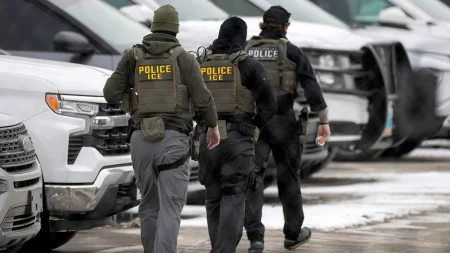
Paragraph 3: The tumultuous immigration crackdown that fueled these protests was no abstract policy; it was a brutal enforcement that left scars on real lives, humanizing the abstract into harrowing reality. Sweeps targeted workplaces, daycares, and homes, where agents with clipboards and cuffs upended routines without warning. A young dad, originally from Somalia and working double shifts as a janitor, was detained in the hospital parking lot after picking up his toddler from chemo—his wife left sobbing with the keys still in the ignition. Such incidents multiplied, igniting outrage that spread like wildfire. Protesters argued these tactics were not mere law enforcement but attacks on basic decency, disproportionate in their cruelty. Families that had integrated into American life—sending kids to school, paying taxes, contributing to local economies—felt betrayed. A teacher in a Somali neighborhood spoke of her students’ nightmares, where deportation loomed like a monster under the bed. The crackdown’s aftermath included legal battles, where lawyers volunteered tirelessly, flipping burgers at fundraisers to keep the fight alive. Emotions ran high: fear for the vulnerable, anger at the injustice, pride in the resistance. It wasn’t just about immigration numbers; it was about stories of survival and the unyielding human will to protect one’s home, no matter where it was built. These personal atrocities turned passive observers into activists, forging a bond across cultures through shared vulnerability.
Paragraph 4: As the protests swelled, Minnesota’s streets became a canvas for collective storytelling, where everyday heroes emerged to amplify the voices of the affected. High school kids organized walkouts, inspired by dreams deferred and injustices witnessed, chanting rhymes they’d penned themselves. A Syrian refugee-turned-teacher led workshops on civic engagement, turning trauma into tools for change. The demonstrations featured art—chalk murals on sidewalks depicting immigrant journeys from distant shores to welcoming arms—and music, with guitars strumming anthems of unity. Vendors handed out free water and rest comforts, embodying the Midwestern hospitality that defined the spirit. Families reunited in peaceful rallies, sharing picnics amid the chaos, where a grandmother recounted her own immigration tale from Italy decades ago, bridging generations. Yet, beneath the solidarity loomed tension: counter-protesters with opposing banners, debates spilling into arguments that tested even seasoned activists. Protesters navigated this with grace, focusing on dialogue over division, humanizing dissent. A veteran journalist, documenting the scene, captured moments of genuine connection— a handshake between a farmer and a migrant worker, both weary from the harvest of prejudice. These protests weren’t monolithic; they wove diverse threads into a tapestry of hope, proving that organized clamor could spark empathy and change in the coldest of hearts and harshest of winters.
Paragraph 5: The national coverage of these demonstrations, centered in Minnesota, painted a vivid picture of a divided yet connected America, where the human cost of policy reverberated beyond borders. News outlets flooded screens with footage of marches, drones capturing the scale—thousands strong, a living organism pulsing with purpose. Celebrities lent their platforms, visiting camps to lend ears and amplify pleas, turning resistance into a cultural phenomenon. Online, hashtags trended globally, with stories flooding feeds: a toddler’s artwork about family separation gone viral, tugging at heartstrings worldwide. Economically, the crackdown’s repercussions hit harder—empty seats in classrooms, vacant spots in warehouses—highlighting the ripple effects on innocent lives. Farmers in rural Minnesota bemoaned labor shortages, sharing lunches with protesters who biked miles to join. Fundraising efforts exploded, with t-shirts and donations pouring in, each cent tied to a narrative of perseverance. Protesters held vigils for those lost, lighting candles in the snow, transforming grief into communal strength. Amid it all, ordinary citizens reflected on their own privileges, questioning how far compassion stretched. This wasn’t just about immigration; it was a reckoning with identity, where the “other” became the neighbor, fostering understanding through shared humanity. The protests, in their organized fervor, nudged society toward introspection, proving that widespread irritation could catalyze nationwide empathy.
Paragraph 6: Ultimately, the thousands of demonstrations across the country, with Minnesota as their pivotal heartbeat, served as a powerful reminder of resilience in the face of adversity, humanizing a crisis into a call for unity. As winter thawed into spring, the energy shifted from rage to reconciliation, with ongoing dialogues and policy pushes bearing fruit. The crackdown’s proponents faced scrutiny, their rigid stances softened by stories that echoed persistently. Lives forever altered—families rebuilding, communities stronger—testified to the enduring impact. A young activist, once tearful in the streets, now advocated in halls of power, her voice matured by the tumult. Protests evolved into advocacy groups, ensuring voices remained heard long after the signs were packed away. Minnesota, forever marked by this chapter, stood as a testament to how organized dissent could humanize even the most divisive issues, weaving narratives of hope into the national fabric. In the end, these uprisings weren’t merely events; they were transformations, where thousands of individuals, touched by injustice, emerged as architects of a more compassionate future. The demonstrations stretched not just across the country, but across hearts, factories, and dreams, reminding all that humanity’s greatest strength lies in its capacity to rise, connect, and heal.