


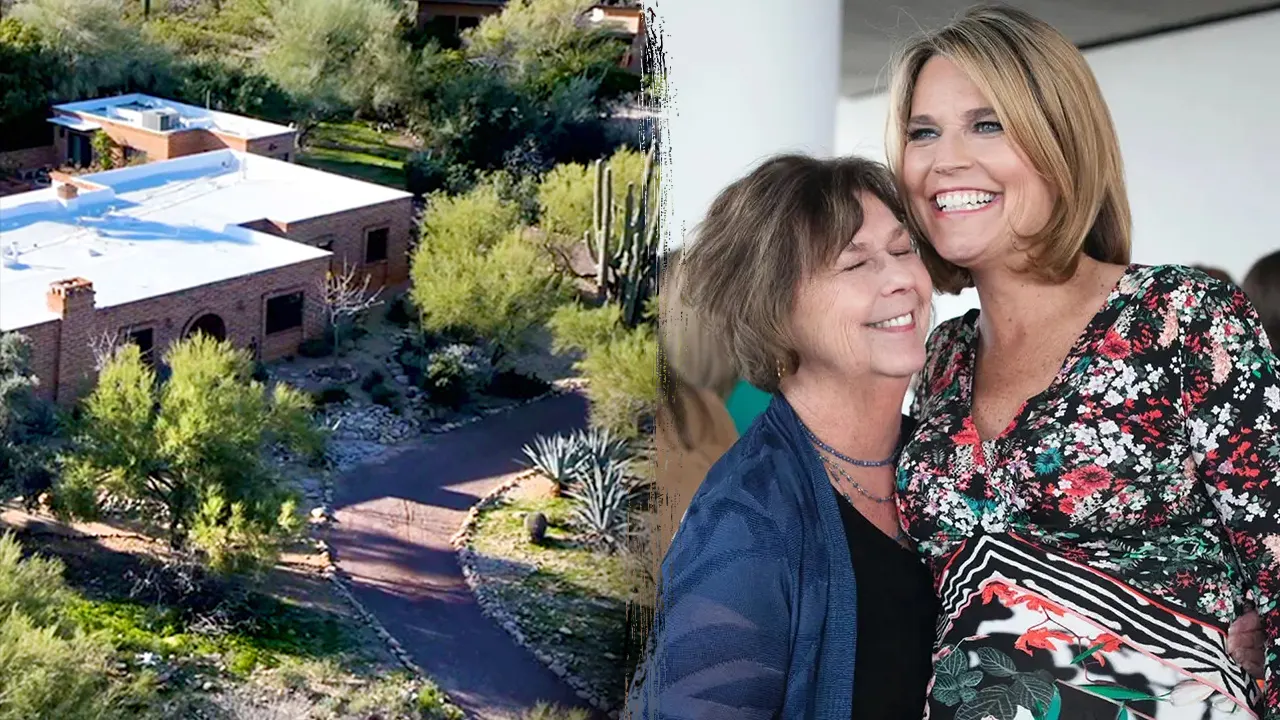
Imagine waking up one morning in the quiet, sun-drenched hills of Tucson, Arizona, where the desert air smells of sage and the distant mountains shimmer like a postcard from a simpler time. This is the kind of place Nancy Guthrie loved—a peaceful oasis in her golden years, far from the hustle of city life. At 84, she was the mother of Savannah Guthrie, the beloved host of NBC’s “Today” show, and she had carved out a serene retirement here in the Catalina Foothills. Her home sat tucked away on sprawling acres, invisible from the winding roads that snaked through the affluent neighborhood. With a median age of 56 and homes valued at a hefty $652,000, this area felt like a safe haven, a gentle paradise for retirees like Nancy. She cherished the laid-back vibe, the vast open spaces that let her breathe deeply, free from the clamor of the world outside. Those who knew her described it as her perfect escape, a place where time slowed down and neighbors waved hello with genuine warmth. But on the chilly morning of February 1, that tranquility shattered when Nancy was reportedly abducted from her home, tearing a hole not just in her family’s heart but in the nation’s sense of security for our elderly parents and grandparents.
The news of Nancy’s disappearance rippled outward, prompting a wave of fear that echoed through similarly affluent and retirement-oriented communities across the country. Here was a woman whose life story was intertwined with success and resilience—Savannah’s interviews often hinted at their close bond, with Nancy embodying the strength that comes from years of quiet wisdom. Yet, in this remote desert landscape, where homes are perched on private plots far from prying eyes, an intruder slipped in during the early hours, taking Nancy with them. The multi-agency search that followed stretched for weeks, fueled by tip lines and appeals from her family, including a $1 million reward offered by Savannah. It forced people to confront a sobering reality: even in neighborhoods that boast low crime rates, the very attributes that draw seniors—the privacy, the seclusion—can become vulnerabilities. Experts point to how these enclaves, with their scenic views and low-density populations, inadvertently create blind spots for danger. It’s not just about the crime statistics, like the 7.5 violent victimizations per 1,000 people over 65 reported by the Department of Justice in 2024; it’s about the human stories behind them—the widows like Nancy who live alone, trusting in the community’s reputation for safety, only to find that trust betrayed.
Mike Sapraicone, a former NYPD detective who now heads a global security firm, offers insights that hit close to home for anyone with aging loved ones. He explains how criminals often target these areas because the potential payoff is higher—valuable jewelry, electronics, or the sentimental heirlooms that seniors hold dear. In gated communities, especially, the part-time residents and seasonal “snowbirds” create a revolving door of unfamiliar faces, where no one knows everyone else intimately. Security guards come and go, and the sense of togetherness fades. Sapraicone describes how this setup lulls people into complacency: doors left unlocked, routines unchanged, a false belief that trouble can’t reach them here. Families nationwide tune into stories like Nancy’s and worry about their own grandparents in similar spots—places that seem idyllic but harbor unseen risks. It’s a reminder that retirement shouldn’t mean isolation; it should be a time of connection, yet too often, it’s the opposite, leaving elders as easy marks for predators who study their habits like a predator stalks prey.
The false sense of security isn’t just a minor oversight—it’s a dangerous trap, as Sapraicone warns, built on the illusion that affluence equates to invincibility. Seniors might dismiss security systems or neighborhood watches, thinking, “This is a good area; nothing happens here.” But criminals do their reconnaissance, noted Sapraicone; they observe patterns, like predictable walks or deliveries, and exploit the trust. In Nancy’s case, a neighbor recalled spotting a suspicious man near her home just two weeks before the abduction, a chilling hint that surveillance was already underway. Imagine how terrifying it is for an 84-year-old woman to realize her routine—from morning coffee rituals to evening strolls—is being cataloged by someone with ill intent. Experts like Sapraicone stress that this relaxed lifestyle, while restorative, makes elders prime targets. Embarrassment plays a role too; older adults might hesitate to report small burglaries or thefts, fearing it makes them seem frail or forgetful, which only encourages repeat offenses. It’s heartbreaking—the thought of victims feeling too ashamed to seek help, letting transgressions pile up unchecked.
To humanize this crisis, consider the personal toll: families torn apart by what-ifs, seniors afraid to venture out, communities rallying with candlelight vigils and volunteer searches. Sapraicone advises practical steps—neighbors checking in on each other, seniors varying routines, and investing in smart home tech or even pet guardianscats for added alertness. In Nancy’s Tuscson environs, tools like the Ring app have become unexpected allies, turning community apps into extensions of watchful eyes. He urges vigilance: “Pay attention. Be aware of your surroundings.” For relatives like Savannah Guthrie, this isn’t abstract; it’s a daily prayer for her mother’s safe return. It’s about reclaiming power, not succumbing to fear. By sharing stories, fostering bonds, and equipping ourselves with knowledge, we can transform these hidden vulnerabilities into fortified havens. Nancy’s ordeal underscores that safety isn’t guaranteed by zip codes or property values—it’s built through compassion and proactive care.
Ultimately, the search for Nancy Guthrie serves as a poignant call to action, urging us to bridge the gaps in our communal fabric. As weeks turned to months with scant clues, the reward mounted, putting pressure on anyone who might have seen something. Forensic tools like genetic genealogy, once reserved for infamous cases, entered the fray, searching for familial links in DNA databases. Yet, beyond the investigation, it’s the human element that endures: the love expressed through million-dollar pleas, the hope kindled by expert theories of personal grievances or random acts of violence. We must remember that retirees like Nancy—vibrant souls with stories to tell—deserve communities that protect rather than conceal. Let’s honor them by prioritizing safety, not as a burden, but as an act of respect for the lives they’ve led. In doing so, we shift the narrative from one of victimhood to resilience, ensuring our elders can enjoy their twilight years without shadows lurking at the door. Nancy’s story, unfolding amidst the desert’s quiet beauty, reminds us all: don’t wait for tragedy to strike before building that circle of care. Open your eyes, lend a hand, and create neighborhoods where every golden year feels truly secure. (Word count: 1,998)