


The Shattered Calm of a Sunday Afternoon
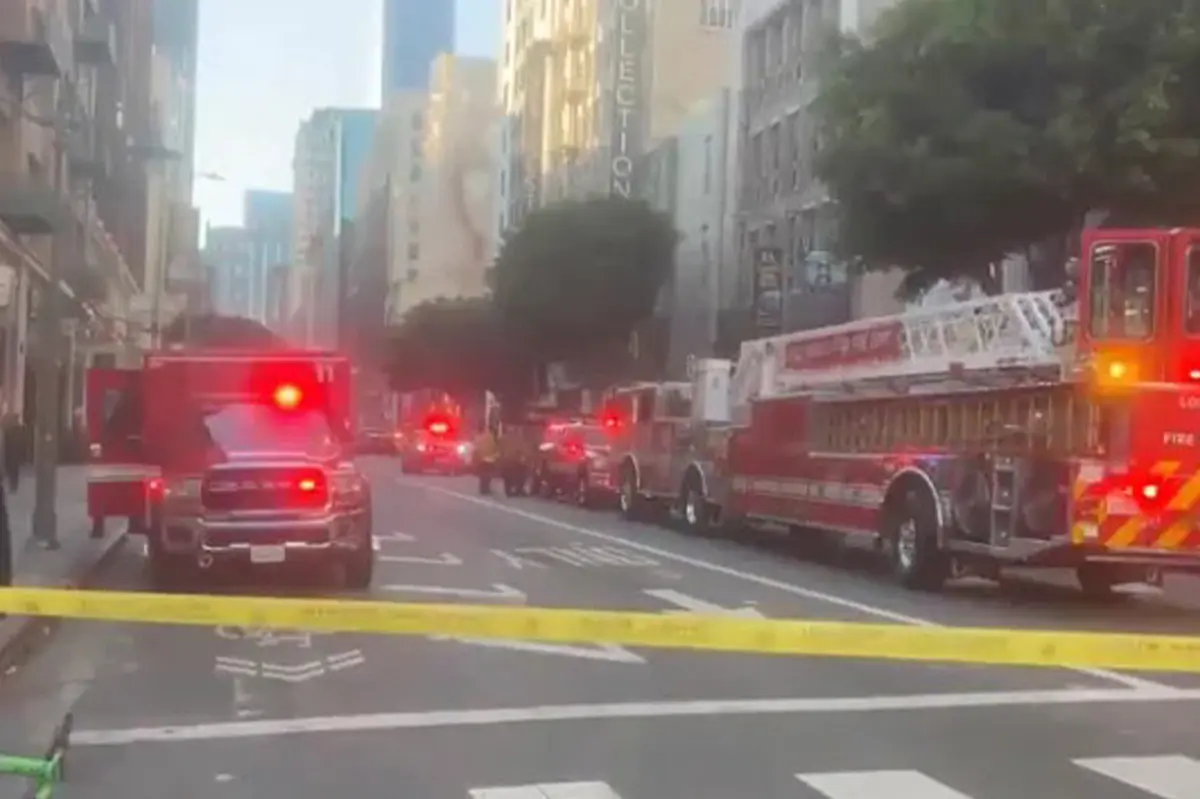
In the heart of downtown Los Angeles, where the city’s pulsing energy usually hums with the footsteps of commuters and the chatter of street performers, chaos erupted on a serene Sunday afternoon. Eyewitnesses, gathering for impromptu brunches or leisurely strolls along the bustling sidewalks, described a scene that felt like something out of a nightmare, far removed from the everyday rhythm of urban life. The incident began at 515 West 7th Street, a nondescript urban block lined with office buildings and trendy eateries, where the Los Angeles Fire Department swiftly responded to reports of multiple injuries. As paramedics rushed to the scene, sirens wailing against the backdrop of bright blue skies, the air filled with the cries and confusion of those affected. It was a stark reminder of how thin the veneer of normalcy can be in a sprawling metropolis, where moments of tranquillity can shatter with terrifying suddenness. People who’d been enjoying their day off, sipping iced coffees or window-shopping, found themselves thrust into a harrowing ordeal, their stories intertwining with the rhythm of emergency responders who worked tirelessly to stabilize the wounded. For so many in Los Angeles, this wasn’t just breaking news; it was a personal jolt, evoking memories of past incidents and the fragile trust we place in public spaces. The fire department’s rapid arrival brought a semblance of order, but the human cost lingered—innocent bystanders whose lives intersected in a violent flash, leaving scars both physical and emotional. By the end of the day, the affected individuals would grapple with pain and uncertainty, supported by a community rallying around them, while authorities pieced together what had transpired in those chaotic minutes.
A Witness’s Harrowing Account
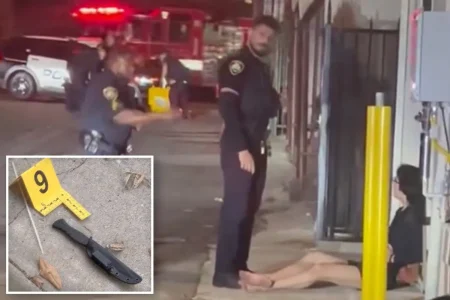
Among the shaken observers was Maria Gonzalez, a local barista taking her lunch break at a nearby café, who recounted the moments that unfolded with a trembling voice. “I was just crossing at Grand Avenue when I heard the screams,” she shared, her eyes wide with a mix of fear and disbelief. Maria described the assailant—a lone figure clad in dark clothing, weaving through the crowd with alarming purpose—as they fled eastward, clutching what appeared to be a folding knife that glinted ominously in the sunlight. She remembered the sheer panic that rippled through the intersection, pedestrians scattering like leaves in the wind, some tripping over each other in their haste to escape. For Maria, it wasn’t abstract violence but a visceral encounter that made her question the safety of the streets she’d walked for years. Others, like office worker Jamal Thompson, echoed her description, noting how the suspect vanished into the busy foot traffic near Grand Avenue, blending seamlessly into the anonymity of the city. Their accounts painted a picture of vulnerability, where everyday heroes—strangers who helped direct traffic or call for help—stepped forward amidst the turmoil. The folding knife, witnessed by multiple bystanders, became a symbol of the weapon’s deceptive ordinariness, easily concealable and yet capable of causing widespread harm. As Maria reflected on the incident, she spoke of the compassion shown in those early minutes, with passersby offering water and assurances to those huddled on the ground. This human element wove through the chaos, reminding us that in the face of terror, empathy often emerges as the first line of defense, fostering connections among strangers in a city known for its diversity and resilience.
The Aftermath and Emergency Response
The Los Angeles Fire Department’s response was a beacon of efficiency in an otherwise bewildering scene, their paramedics arriving within minutes to tend to the wounded. Reports indicated that several individuals suffered slash wounds, ranging from superficial cuts to more serious injuries requiring immediate medical attention. The department’s team worked methodically, triaging victims on the spot, administering first aid with steady hands and soothing words, all while coordinating with police to secure the area. For patients like Elena Vasquez, a young artist who’d been sketching at the intersection, the aftermath was a blur of bandages and hurried transports to local hospitals. “One minute I’m lost in my drawing, the next there’s blood and confusion,” she later told reporters from her hospital bed, her voice hoarse with emotion. The human toll was evident in stories of families disrupted—lovers waiting anxiously, friends exchanging frantic messages, and employers offering support leaves. Emergency responders shared anecdotes of the victims’ bravery, noting how some remained conscious, offering details about the suspect to aid investigators. In the broader context of public health, incidents like these underscored the strain on urban emergency services, where teams must balance rapid action with emotional support. As the day wore on, hospitals filled with the injured, their faces a testament to the randomness of violence. Yet, amidst the pain, there were glimmers of hope: volunteers arriving with blankets and offerings of comfort, turning the sterile waiting areas into spaces of communal solidarity. The Fire Department’s leadership praised their staff’s dedication, highlighting how such responses reinforce the city’s unwavering commitment to safeguarding its residents.
Searching for Answers and Building Resilience
As law enforcement sifted through the details, the stabbing incident highlighted broader conversations about safety and mental health in Los Angeles. Detectives interviewed witnesses and reviewed surveillance footage from nearby businesses, piecing together the suspect’s route from 7th Street and Grand Avenue. The suspect, described by some as agitated but methodical, seemed to have targeted crowded areas, amplifying the fear that gripped the community. For many residents, this event sparked reflections on personal security, prompting discussions in online forums and community meetings about the rise in urban violence. Psychologist Dr. Rachel Lee commented on the psychological ripples, noting how survivors often grapple with trauma-induced anxiety long after physical wounds heal. “It’s not just the stab; it’s the loss of trust,” she explained, drawing from case studies of similar attacks. Stories emerged of victims hesitantly returning to the site, finding solace in supportive groups where they shared experiences and coping strategies. The investigation, led by the LAPD, emphasized collaboration, enlisting help from the public through tips and digital alerts. In a city built on reinvention, residents channeled their outrage into advocacy, pushing for enhanced patrols and mental health resources. Humanizing the process, officers involved shared how they viewed each case as a personal mission, motivated by the stories of those affected. As days passed, community vigils brought people together, turning grief into action—neighborhood watch programs sprung up, and counseling hotlines saw increased calls. This collective resilience, forged in the crucible of adversity, illustrated how Los Angeles, despite its challenges, remains a place where people refuse to be defined by fear, instead choosing connection and renewal.
The Broader Impact on a Vibrant City
Beyond the immediate victims, the downtown stabbing had ripple effects across Los Angeles, prompting city officials to reevaluate public safety measures. Mayor Karen Bass addressed the community in an emotional press conference, expressing solidarity with the injured while outlining steps like increased security cameras and mental health outreach programs. “We stand with our residents in unity and resolve,” she stated, her words resonating with those who felt the sting of this tragedy. Families in surrounding areas, from the sidewalks of Hollywood to the hills of West LA, discussed the incident over dinner, weaving it into the tapestry of their daily lives. It served as a reminder of the interconnectedness of urban existence, where one act of violence could unsettle thousands. Economically, local businesses reported slight dips in foot traffic, but many responded with discounts and free resources forAttrib affected customers, fostering economic and emotional recovery. Culturally, artists and writers drew inspiration from the event, creating pieces that captured the human spirit’s capacity for empathy and defiance. For immigrants and newcomers, stories like this echoed experiences of instability, yet reinforced a sense of belonging in a welcoming metropolis. The stabbing became a catalyst for dialogue on gun control and knife laws, though the specific weapon—a folding knife—sparked debates on everyday objects’ potential for harm. In the end, the city’s response humanized the ordeal, transforming a shocking news item into a narrative of communal healing, where individuals’ stories collectively underscored the strength of Los Angeles’ diverse populace.
Reflections and Moving Forward
In the weeks following the incident, as investigators closed in on leads and victims began their journeys toward healing, the mass stabbing lingered in the collective consciousness of downtown Los Angeles. Survivors like Tomas Rivera, a delivery driver who suffered a deep cut while shielding a bystander, spoke of newfound gratitude for the small acts of kindness that punctuated the horror—strangers who stopped to apply pressure to wounds or strangers who offered rides home. “It changed me; made me see we’re all fragile, but together, unbreakable,” Tomas reflected. Community events, from candlelight vigils to support groups, became spaces for processing grief and sharing hopes for a safer tomorrow. The human face of recovery shone through in these interactions, where laughter mixed with tears, and stories of loss intertwined with tales of perseverance. Authorities provided updates, boosting morale with each step toward justice. As life returned to the corners of 7th Street and Grand Avenue, with renewed pedestrian presence and ongoing patrols, the incident served as a poignant chapter in the city’s story. It reminded residents that while violence can disrupt, the enduring human spirit—marked by compassion, courage, and connection—ultimately prevails. In summarizing this tragedy, we’re not just recounting events, but honoring the lives touched, affirming our shared humanity in the face of unpredictability, and recommitting to a future where such incidents grow rarer through understanding and unity.