



As the radiant rays of the summer sun begin to warm the landscape, millions of excited families across the United States and around the globe start their eager preparations for the ultimate American pilgrimage: a magical vacation to Walt Disney World. For generations, this sprawling resort complex in Orlando, Florida, has stood as the pinnacle of childhood wonder, offering a whimsical escape where imagination reigns supreme and lifelong memories are forged under a canopy of fireworks and fairytale castles. Yet, behind the carefully engineered illusions of Peter Pan’s flight and the happily-ever-after spectacles, lies a fascinating and sometimes humbling geographical reality. The entire Walt Disney World resort is nestled directly within the lush, ancient, and untamed wetlands of Central Florida. Long before the first structural foundations of Cinderella Castle were ever laid, these sun-dappled marshes, quiet cypress swamps, and deep-water lagoons were the ancestral domain of a rich variety of wild creatures, most notably the American alligator. As a result, the master planners and safety officials at Disney have always carried a profound, dual responsibility: to preserve the natural beauty of Florida’s unique ecosystems while ensuring the absolute safety of the millions of guests who walk through their gates each year. As the busy summer season approaches, these dedicated professionals are quiet heroes, working tirelessly behind the scenes to fortify the boundaries between human recreation and the raw forces of nature. Through constant watchfulness and a deep understanding of local ecology, they strive to ensure that the magic of childhood remains entirely undisturbed by the unpredictable wild, giving parents the ultimate peace of mind as their children play under the warm Floridian sun.
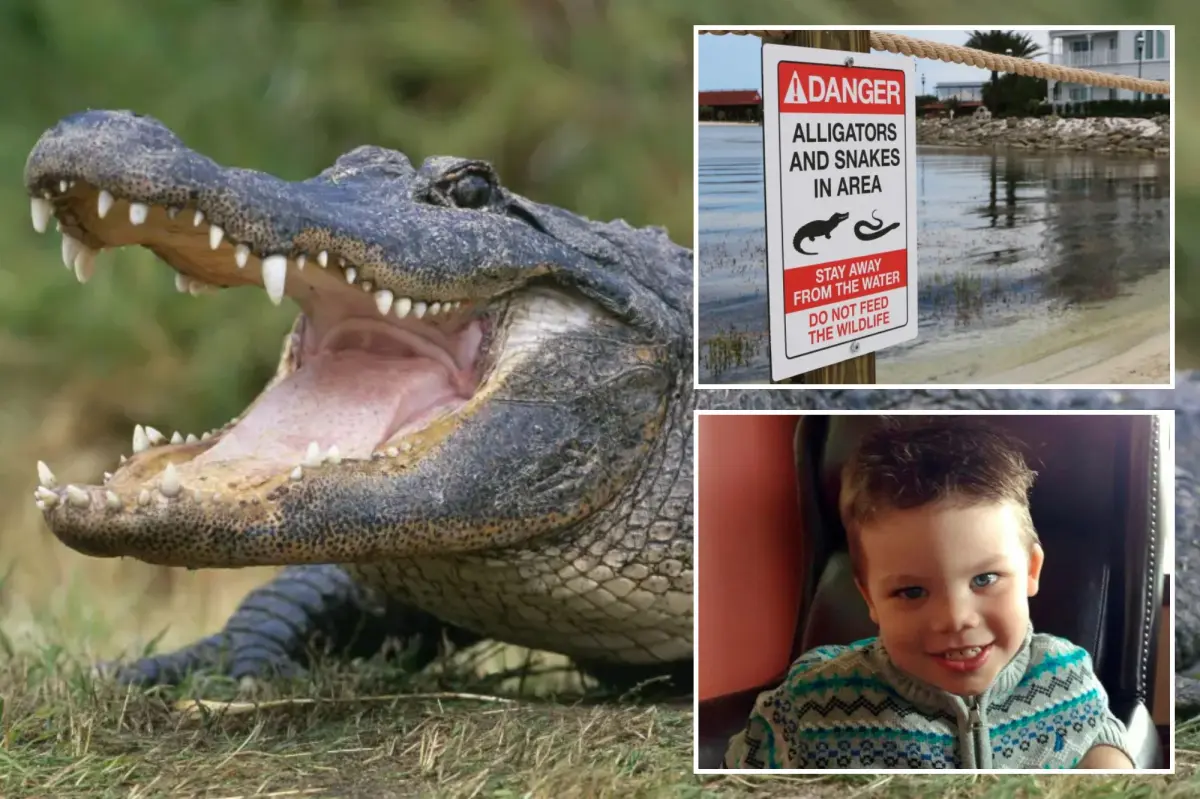
This tireless dedication to safety and vigilant ecosystem management is deeply rooted in a quiet, somber history that forever changed how the resort interacts with its natural surroundings. Nearly ten years ago, a profoundly tragic incident occurred at the pristine beach of Disney’s Grand Floridian Resort & Spa, where an alligator attacked and killed a young child who was playing near the water’s edge. This heartbreaking loss sent infinite waves of grief and sympathy across the entire world, shaking the global Disney community to its absolute core and serving as a painful, permanent reminder of the thin line that separates peaceful human laughter from the stark realities of the natural wilderness. In the wake of this devastating event, Disney officials made a solemn pledge to revolutionize their wildlife protocols, immediately forging an intensive, highly coordinated partnership with the seasoned experts at the Florida Fish and Wildlife Conservation Commission (FWC). Over the decade that followed, this collaboration has operated with relentless precision and care, resulting in the proactive, monitored removal of 414 alligators from the resort’s extensive network of lakes and canals, as reported by WDW News Today. Each one of these removals represents a quiet, deliberate act of devotion to human safety—a physical manifestation of a promise to protect every family who steps foot on the property. By reflecting on the lessons of the past with humility and determination, the park’s safety teams have transformed a moment of unspeakable tragedy into a long-term legacy of protective vigilance, ensuring that the laughter of playing children remains the dominant sound of the resort.
To manage this complex wildlife dynamic with both human empathy and scientific accuracy, the FWC and Disney utilize a highly disciplined, criteria-based system to identify which individual animals require removal. Under these strict state guidelines, only alligators that measure four feet or more in length and are deemed to pose a tangible threat to people, beloved family pets, or physical resort property are designated as “nuisance” animals and slated for removal by licensed, professional trappers. This specific four-foot threshold is grounded in decades of rigorous field study and practical wildlife management experience. Smaller alligators, while still possessing the wild instincts and sharp teeth of their prehistoric ancestors, are simply not large enough to pose a significant danger to humans or domestic pets unless they are actively cornered, provoked, or handled. Nevertheless, FWC biologists and resort staff constantly emphasize to the public that under no circumstances should anyone ever attempt to approach, feed, or touch an alligator of any size. Beyond the obvious physical dangers, interacting with these animals is strictly illegal under Florida state law, and even a minor bite can lead to severe, localized trauma and deep-seated bacterial infections that require intensive medical treatment. By humanizing the way we talk about these ancient predators, experts teach guests to replace fear with a healthy, respectful distance. This balanced educational approach ensures that smaller, harmless reptiles can continue to live out their quiet lives in remote corners of the ecosystem, while larger, high-risk animals are humanely and systematically cleared from guest areas.
One of the most frequently asked questions from compassionate animal lovers is why these captured nuisance alligators cannot simply be relocated to a peaceful, remote swamp somewhere far away from human habitations where they can live out their days in peace. While this idea sounds like a gentler, more compassionate solution on its surface, the biological reality of alligator behavior reveals that relocation is actually highly impractical, stressful, and often fatal for the animals involved. Alligators possess an incredibly strong, deeply ingrained homing instinct that functions like an internal compass; when moved to a foreign environment, they will immediately begin traveling massive distances, crossing busy highways, traversing residential neighborhoods, and risking their lives just to return to the precise location where they were originally captured. Furthermore, Florida’s remaining wild wetlands are already home to healthy, fully established alligator populations that operate under a strict, highly territorial social hierarchy. Introducing a large, stressed newcomer into one of these established aquatic neighborhoods invariably disrupts the social order, sparking intense, violent skirmishes between the resident gators and the newly introduced rival. Ultimately, these territorial battles often result in severe injuries or death for the relocated animal. Understanding these complex ecological truths helps humanize the difficult work done by FWC trappers, proving that their decisions are not born of malice, but of a scientific understanding that human safety must be the absolute priority in areas where nature and society intersect.
Rather than relying solely on the reactive capture of these animals, Disney has also undertaken a monumental administrative and physical redesign of its various waterfront environments to establish permanent, reassuring barriers that physically separate guests from the local wildlife. The resort’s world-class architects and master landscapers have successfully integrated high-level security directly into the scenic beauty of the property, proving that safety doesn’t have to look sterile or imposing to be highly effective. Visitors taking a leisurely stroll along the beautiful shoreline boardwalks will now observe sturdily constructed, aesthetically pleasing boulder walls, secure metal fencing, and dense, defensive plantings designed to keep people away from the water’s edge and discourage alligators from sliding up onto grassy lawns. Alongside these physical barriers, highly visible, clearly worded warning signage has been prominently installed near every body of water, politely but firmly instructing guests to stay back from the water, keep their pets on short leashes, and completely refrain from swimming or wading. These multi-layered physical and visual deterrents serve as a gentle yet continuous reminder of the natural world just beyond the manicured paths. By seamlessly blending these critical safety features into the magic of the resort’s visual design, Disney has succeeded in creating a secure perimeter that drastically reduces the risk of accidental encounters, offering parents a tangible sense of safety and allowing them to focus entirely on enjoying their magical vacation, confident that their children are roaming within a securely protected environment.
Ultimately, the ongoing and highly successful alligator management program at Walt Disney World is a powerful narrative of coexistence, responsibility, and modern ecological conservation. Florida is incredibly blessed with a remarkably healthy, stable, and thriving population of approximately 1.3 million alligators, distributed beautifully across all 67 counties of the Sunshine State. Because the species is so abundant and well-protected on a state-wide level, the selective, localized removal of nuisance gators from heavily trafficked tourist areas has absolutely zero negative impact on the long-term survival of these magnificent creatures. Instead, this carefully controlled system stands as a shining testament to how modern society can responsibly share space with prehistoric wildlife. Through their close, daily cooperation with the dedicated professionals of the Florida Fish and Wildlife Conservation Commission, Disney’s management demonstrates that true hospitality goes far beyond excellent customer service—it encompasses a profound commitment to environmental stewardship and human life above all else. As the excitement of summer inspires countless families to pack their bags and head to Florida, they can rest assured that a quiet league of biologists, safety engineers, and wildlife experts are constantly watching over the lagoons and lakes. By embracing the critical lessons of history, erecting smart physical barriers, and keeping a watchful eye on the waters, they preserve the wonder of the Magic Kingdom, ensuring that the laughter of children and the magic of storytelling remain the true, safe heartbeat of this globally beloved destination for generations to come.