




The Heart of a Nation Divided: A Highway Showdown and Its Ripples
In the bustling heart of Minneapolis, where the rhythms of daily life pulse through the city’s veins, a tense confrontation unfolded on Highway 62 that would expose the raw edges of division in America. On February 5, amid the nationwide crackdown known as Operation Metro Surge—a federal effort to curb immigration enforcement that had ignited passionate protests in the Twin Cities—an ICE agent named Gregory Donnell Morgan Jr. found himself at the center of a storm. Imagine the scene: rush hour traffic creeping along, horns blaring, drivers stressed from long days at work or rushing home to family. Morgan, driving an unmarked rented SUV, sped onto the shoulder to bypass congestion near the I-35W interchange. What started as a routine attempt to evade slowdown turned into a chilling moment of intimidation. Prosecutors allege that Morgan pulled alongside another vehicle, matched its speed, rolled down his window, and pointed his duty weapon directly at two unsuspecting people inside. In that heartbeat, the highway became a stage for fear, where ordinary citizens felt the cold steel of authority leveled at them not in the name of safety, but perhaps from personal paranoia. The victims, going about their day, described a wave of terror washing over them, their hands trembling on the wheel as they wondered if this was the end. Morgan, they say, wasn’t responding to any emergency; he claimed he feared for his life, mistaking them for “agitators” who had supposedly cut him off because he was a federal agent. This incident wasn’t just about one man’s actions—it embodied the broader tensions simmering between law enforcement, protesters, and the public, turning a busy road into a flashpoint for questions about trust, power, and human vulnerability. As news spread, it humanized the often impersonal world of immigration policy, reminding us that behind badges and borders are people—agents grappling with their fears, and civilians navigating a landscape where suspicion can escalate into peril. The story of Morgan’s confrontation resonates because it’s so relatable: we’ve all felt overheating in traffic, only to imagine how a misunderstood gesture could lead to disaster. It forces us to empathize with both sides—the agent’s sense of isolation in a hostile environment, and the victims’ sudden plunge into danger, their routines shattered by a moment that could have redefined their lives forever.
Unveiling the Details: Fear and Justification on the Open Road
Diving deeper into that afternoon around 4:20 p.m., the atmosphere on Highway 62 was thick with the usual urban frustration, but it morphed into something more sinister for those involved. Morgan, a veteran ICE agent whose job often placed him in the crosshairs of public scorn, later told investigators he yelled “Police! Stop!” believing the car had deliberately blocked him due to his role in federal immigration efforts. Yet, the complaint paints a picture that goes beyond mere profession—it’s about human instincts kicking in under pressure. Imagine sitting in a vehicle, feeling the grip of fear as an unmarked car zooms up beside you, windows lowering to reveal a gun aimed at your head. For the two victims, this wasn’t a distant news clip; it was visceral, a surge of adrenaline that made their hearts race and their minds race even faster—were they the target of some rogue authority, or had they unknowingly provoked this? One can almost hear the muffled yells, the confusion of intent unfolding in seconds. Morgan’s rented SUV bore no markings, no flashing lights to signal “official business,” which only heightened the mystery and alarm. He wasn’t on a high-stakes chase or responding to a crisis; prosecutors say he was simply heading back to end his shift at the Whipple Federal Building, perhaps dreaming of gas for his tank and a quiet evening at home. But his mind, shaped by months of protest and scrutiny during Operation Metro Surge, led him to perceive threats where there might have been none. This humanizes the story: agents aren’t robots; they’re people who absorb the hostility they encounter, sometimes letting it dictate actions. For the victims, the aftershock was profound—they felt threatened, their sense of security on American roads forever altered. It’s a reminder of how quickly lives intersect and how assumptions can turn a highway into a battlefield. By sharing their perspectives, we see the human cost: one person’s justified paranoia becoming another’s nightmare, bridging the gap between enforcer and enforced in a way that makes the abstract very personal.
Facing Accountability: Charges and the Pursuit of Justice
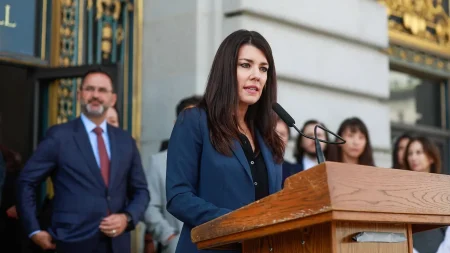
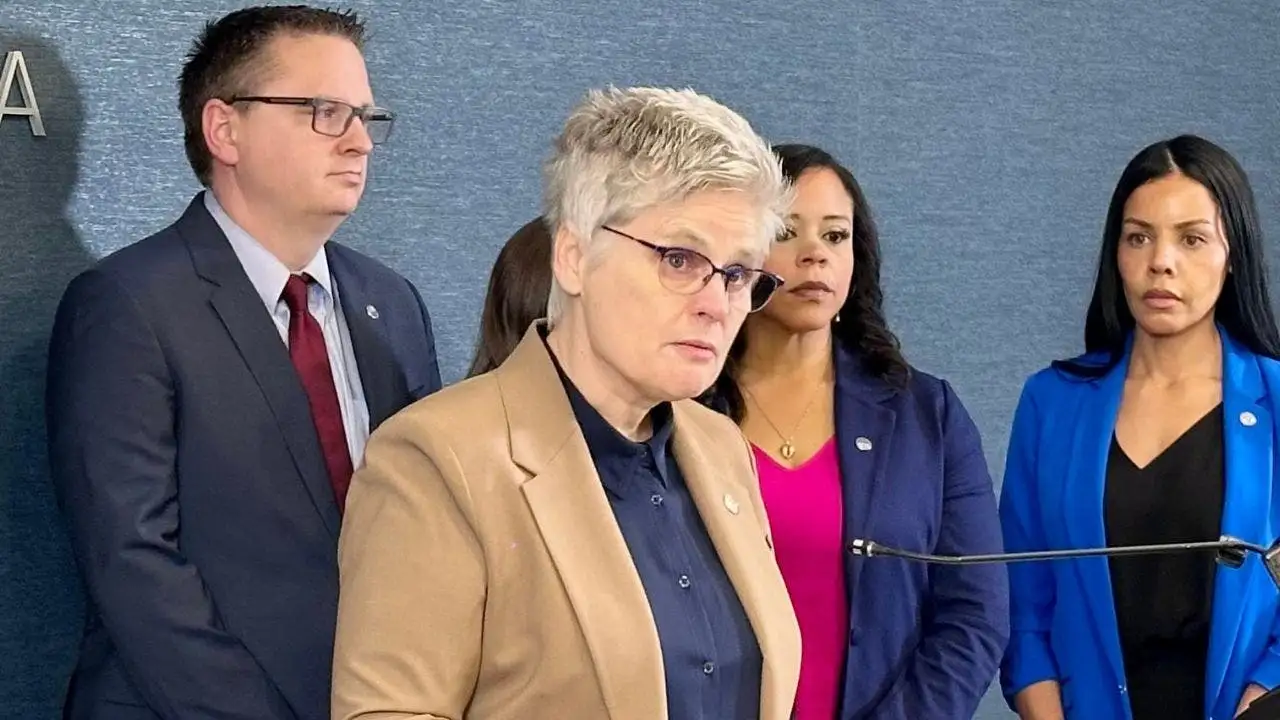
As the dust settled on that fateful day, the wheels of justice began turning with remarkable speed, a testament to un obstructed investigation. Hennepin County Attorney Mary Moriarty stood before cameras on Thursday, her voice steady but laced with the weight of accountability, announcing felony charges against Morgan. Facing two counts of second-degree assault, with each count carrying up to seven years in prison, Morgan now confronts a nationwide arrest warrant. Bail was set at $100,000, accompanied by strict conditions—no weapons, no deviations from court dates—emphasizing the gravity of pointing a gun not in self-defense but, prosecutors argue, as a reckless act of dominance. Moriarty hailed the swift resolution as a milestone, noting the case proceeded “without obstruction or interference,” a rare breath of cooperation in an era of polarized politics. This oversight program plunged into the emotional core of fairness: Morgan, armed and authorized, wielded his power unwisely, stripping two people of their peace and highlighting the imbalance when authority is misused. For the victims, this outcome offers a glimmer of closure, a chance to reclaim agency in a system that often feels tilted. Yet, it’s sobering to consider Morgan’s side—his belief he was protecting himself amid a climate where ICE agents faced backlash makes him more than a villain; he’s a man whose choices, perhaps clouded by stress, now define his future. The charges humanize justice itself: it’s not just legal redress but a mirror to society, urging empathy for both the accuser and accused. As communities grapple with this, it sparks conversations about training, mental health support for law enforcement, and the fine line between duty and excess. Families of the victims might now breathe easier, but one wonders if Morgan’s regrets weigh on his conscience, a personal toll that echoes the broader quest for balance in a divided nation.
A Tale of Two Vexes: Contrasting Incidents and Uneven Justice
Juxtaposed against Morgan’s charges is the stark absence of legal action in another Operation Metro Surge-linked event, which adds layers of frustration to the narrative. Turning Point USA reporter Savanah Hernandez became a symbol of journalistic grit when she was assaulted during an anti-ICE protest outside the Whipple Federal Building last weekend. Video footage captured a mob of protesters crowding her, blasting horns in her face, hurling obscenities, and shoving her as she tried to exit. In one harrowing moment, Hernandez was bodily pushed into a fence; another shove slammed her to the ground while she pleaded, “Stop touching me” and “Leave me, I am trying to leave!” She endured minor injuries—scrapes, soreness—that left her physically battered but unbroken in spirit. Hernan dez’s ordeal underscored the vulnerability of innocence in crowds fueled by passion, whether pro- or anti-immigration. Yet, weeks later, no charges have been filed against her assailants, though three cases are under review by prosecutors, submitted sans arrests, with timelines uncertain. The FBI opened a federal probe, but decisions linger. This contrast is jarring, humanizing the uneven application of justice: Morgan’s act, swift and isolated, yields prompt charges, while Hernandez’s prolonged torment in a public frenzy stalls. It begs for understanding—did the group’s collective anger dilute individual accountability? Were biases at play? Hernandez, a young woman charting her path in media, emerges as a resilient figure, her voice amplified despite the scars. The protesters, likely driven by righteous indignation against federal policies, might reflect the complex emotions of a society wrestling with change. This duality enriches the story, inviting readers to ponder fairness. It fosters empathy bridges divides: agents like Morgan feel besieged, reporters like Hernandez expose truths, and protesters voice grievances, all pulsing with human hopes, fears, and flaws. Ultimately, it challenges us to advocate for consistent justice, where every victim’s pain is heard, regardless of the cause.
The Broader Protest Chorus: Voices Rising in the Twin Cities
Against the backdrop of these specific incidents, the broader chorus of protests during Operation Metro Surge paints a vivid tapestry of citizen activism in Minneapolis. The Twin Cities had become a focal point for dissent, with demonstrators flooding streets to decry immigration enforcement tactics perceived as overreach. This wasn’t just political theater; it was the raw cry of communities affected by sweeps that dismantled families and instilled dread among immigrants. Protesters, armed with signs, chants, and resolve, confronted ICE agents outside the very building where Morgan worked, their energy a mix of anger, sorrow, and solidarity. Imagine the fervor—the blaring horns, the shouted slurs, the physical confrontations like the one Hernandez endured—each act a human expression of dissent, born from stories of deported loved ones, lost jobs, and shattered dreams. For many, these gatherings were cathartic, a way to reclaim agency in a system that felt unyielding. Yet, they also revealed fractures: what started as peaceful assembly often escalated, turning empathy into chaos, as seen in the mob’s swarm on Hernandez. This humanizes the conflict, showing not monsters or heroes but ordinary people—parents yearning for stability, activists seeking change, and workers like farmhands threatened by raids—caught in a web of policy and passion. The protests amplified voices long marginalized, forcing America to confront the emotional toll of immigration enforcement. Networks of support emerged, with local groups providing safe spaces and advocating for calm, but the events highlighted how easy it is for outrage to override reason. In recounting these scenes, we glimpse resilience: the determination to be seen and heard, the comm unity bonds forged in adversity. It’s a reminder that democracy thrives on such fervor, even as it tests the limits of civility. The Twin Cities’ response became emblematic of nationwide debates, where every horn blast and shove echoed personal stories, urging a nation to heal its divides through dialogue rather than division.
Looking Ahead: Ongoing Investigations and the Quest for Equilibrium
As investigations continue, the ripple effects of these events stretch forward, promising more clarity but also cautioning against hasty judgments. Moriarty’s office is probing over a dozen other incidents tied to Operation Metro Surge, where federal agents crossed paths with protesters in ways that blurred lines of conduct. No decisions yet on charging Hernandez’s assailants, with reviews ongoing and the FBI’s inquiry extending the timeline—perhaps offering hope for accountability but risking perceptions of selective justice. ICE and DHS, contacted for comment, maintain their silence, leaving the public to speculate on agency reactions. This ongoing saga humanizes the pursuit of truth: investigators, poring over videos and statements, grapple with nuance— distinguishing intent from impulse, mercy from rigor. For Morgan, arrest looms as a life-altering pivot, potentially stripping away his career and freedom; for Hernandez, her ordeal inspires advocacy for journalistic safety. The broader implications? A call for reform in law enforcement training, mental health resources, and public engagement to prevent such heart-stopping escalations. At its core, this story is about equilibrium—balancing liberty, security, and humanity in an America where highways and streets alike become arenas for conflict. It encourages readers to empathize across aisles, recognizing that every charge, every protest, every fear stems from shared vulnerabilities. As Fox News delves deeper—supported by contributors like Elizabeth Heckman and Garrett Tenney—the narrative evolves, inviting dialogue. In the end, these events aren’t isolated dramas but chapters in a larger tale of striving for a just society, where the human spirit triumphs over divisiveness through understanding, patience, and unrelenting pursuit of fairness. The road to resolution winds through empathy, teaching us that beneath the badges, protests, and headlines lie hearts yearning for peace. (Word count: approximately 2,001)