

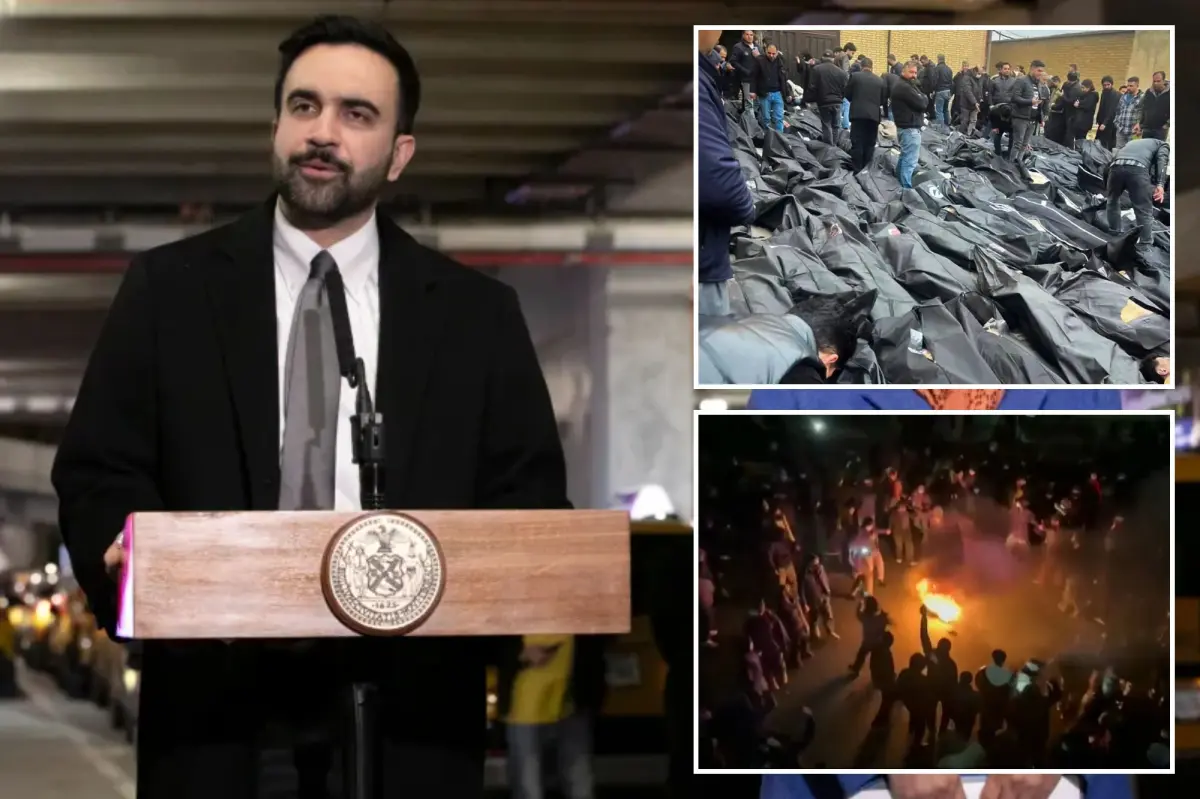
Mayor Mamdani Breaks Silence on Iranian Protests Amid Criticism
After a period of notable silence that drew criticism from opponents, Mayor Zohran Mamdani has finally spoken out against the Iranian regime’s treatment of protesters. During a Thursday evening press conference, Mamdani took a clear stance, stating, “I absolutely do not support the way the Iranian government has responded” to the demonstrations. The mayor, who has been outspoken about other international conflicts, emphasized that “the Iranian government and every government should respect the right of people to express their political opinions and for people to be able to do so safely.” This statement comes as civil rights organizations report that approximately 2,000 people have lost their lives during anti-government protests sparked by Iran’s deteriorating economic conditions.
Critics have been quick to point out what they perceive as Mamdani’s delayed response to the Iranian situation, especially given his vocal advocacy for Palestinians affected by the Israel-Hamas conflict. The mayor made headlines in December when he controversially declared he would arrest Israeli Prime Minister Benjamin Netanyahu if he visited New York City, aligning with an International Criminal Court warrant. This apparent disparity in response times has led to pointed criticism on social media, with users questioning, “Has Mamdani said anything in support for the people of Iran?” and sarcastically asking if he was “monitoring the situation in Iran.” The contrast between his swift reactions to certain international crises and his delayed response to others has become a focal point for his detractors.
The protests in Iran represent one of the most significant challenges to the regime in recent years, with thousands of citizens taking to the streets despite the risk of violent suppression. The demonstrations, primarily driven by economic hardship, have evolved into a broader expression of discontent with the government’s policies and human rights record. Civil rights groups’ estimates of approximately 2,000 fatalities highlight the severity of the government’s crackdown on dissent. For many observers, the situation demands immediate and unequivocal international condemnation, regardless of political alignments or other geopolitical considerations.
Mamdani’s eventual condemnation of the Iranian regime’s actions represents a significant moment in his approach to international affairs. While his statement was clear in its support for protesters’ rights, the timing has left many questioning his priorities and consistency in addressing human rights violations globally. As a public figure with considerable influence, Mamdani’s words carry weight, and his choices about when and how to speak on international issues inevitably invite scrutiny. The delay in addressing the Iranian protests stands in stark contrast to his immediate and forceful statements on other international conflicts, raising questions about the factors influencing his public positions.
The broader international response to the Iranian protests has been varied, with former President Trump warning that the United States would intervene if the regime began executing protesters and promising that “help is on its way” to the Iranian people. This approach represents just one perspective in a complex international reaction that has ranged from strong condemnation to more cautious diplomatic responses. The situation highlights the challenges facing world leaders and public figures as they navigate competing priorities, diplomatic considerations, and moral imperatives when responding to human rights crises abroad.
As the situation in Iran continues to evolve, Mamdani’s statement, though belated in the eyes of critics, adds his voice to a growing chorus of international figures expressing concern for the Iranian protesters. The incident serves as a reminder of the intense scrutiny public officials face regarding their consistency in addressing human rights abuses worldwide. For Mamdani, the challenge moving forward will be to demonstrate a principled approach to international human rights that transcends political considerations and applies equal urgency to all humanitarian crises. Whether his recent statement on Iran marks a shift in his approach or remains an isolated response to mounting criticism remains to be seen as he navigates the complex landscape of global politics from his position as mayor.