



The Rising Tide of Zoonotic Diseases: How Deforestation, Urban Sprawl, and Climate Change Are Fueling the Next Pandemic
A Growing Global Threat That Demands Our Attention
In the shadowy margins where human civilization meets the wild, a silent and accelerating threat is taking shape. Scientists across the globe are raising urgent alarms about a disturbing trend: diseases that leap from animals and insects to humans are spreading at an unprecedented rate, driven by the triple engines of deforestation, rapid urbanization, and a warming planet. The numbers tell a sobering story. According to the U.S. Centers for Disease Control and Prevention, approximately three-quarters of all emerging infectious diseases in humans originate from animals. From the bat-borne coronaviruses that reshaped modern life to the tick-borne Lyme disease creeping into new territories, the creatures that share our world are increasingly becoming conduits for pathogens that threaten our very existence. This is not merely a public health concern—it is a fundamental reckoning with how humanity’s footprint on the planet is reshaping the delicate balance between species, and why understanding the creatures that carry these diseases has never been more critical.
When Forests Fall, Pathogens Rise: The Deforestation Connection
The relationship between deforestation and disease emergence is one of the most compelling and troubling narratives in modern epidemiology. When vast tracts of pristine forest are cleared for agriculture, logging, or mining, something profound and dangerous happens: the natural barriers that once separated wildlife from human populations are abruptly dismantled. Animals that once thrived in dense, undisturbed habitats are forced into closer proximity with human settlements, creating unprecedented opportunities for pathogens to make the jump across species. The Ebola outbreaks in West Africa offer a stark illustration of this phenomenon. Researchers have traced the index cases of multiple outbreaks to villages situated at the edges of recently cleared forests, where hunters and foragers came into contact with infected bats and other wildlife. Similarly, the Nipah virus, which emerged in Malaysia and Bangladesh, has been linked to fruit bats displaced by large-scale deforestation who then sought refuge in orchards near pig farms and human dwellings. As the global demand for commodities like palm oil, soy, and timber continues to drive relentless forest clearing—particularly in the Amazon, the Congo Basin, and Southeast Asia—the stage is being set for more frequent and more devastating spillover events. The World Wildlife Fund estimates that we lose approximately 18.7 million acres of forest annually, an area roughly equivalent to the size of Panama. Each lost acre represents a dismantled barrier between humans and the unknown pathogens that inhabit the wild.
The Concrete Jungle: Urbanization as a Disease Accelerator
While deforestation opens the door to novel pathogens, urbanization ensures that once these diseases enter human populations, they find fertile ground for rapid and widespread transmission. The unprecedented growth of cities across the developing world, often characterized by sprawling informal settlements with inadequate sanitation and healthcare infrastructure, has created ideal conditions for zoonotic diseases to flourish. Consider the case of dengue fever, a mosquito-borne viral infection that has seen a thirty-fold increase in global incidence over the past five decades. The Aedes aegypti mosquito, the primary vector for dengue, thrives in the stagnant water collected in discarded tires, buckets, and other containers that accumulate in densely populated urban areas. As cities expand without adequate waste management systems, they inadvertently create vast breeding grounds for disease-carrying insects. Urbanization also brings humans into contact with a different cast of animal hosts. Rats and other rodents, which have adapted remarkably well to city life, serve as reservoirs for a host of pathogens, including leptospirosis and hantavirus. The construction of highways, subways, and other infrastructure projects disturbs rodent habitats, pushing these animals into closer contact with human populations. Furthermore, the global nature of modern cities—with their international airports, bustling ports, and constant flow of people and goods—means that a pathogen emerging in one corner of the world can be transported to a major metropolis within hours. The COVID-19 pandemic demonstrated with devastating clarity how quickly a zoonotic disease can traverse the globe once it gains a foothold in an urban environment.
A Warming World, A Widening Web of Disease
Climate change is the third pillar of this emerging disease crisis, and its effects are perhaps the most far-reaching and complex. As global temperatures rise, the geographic ranges of many disease-carrying vectors are expanding dramatically, bringing pathogens into regions that were previously too cold for their survival. The most visible example of this phenomenon is the northward march of Lyme disease in North America. Once confined primarily to the northeastern United States, the black-legged tick that transmits the Borrelia burgdorferi bacterium is now establishing populations in Canada and other northern latitudes as milder winters allow for their survival and reproduction. Similarly, the Aedes aegypti and Aedes albopictus mosquitoes, which transmit dengue, Zika, chikungunya, and yellow fever, are expanding their ranges into southern Europe and the southern United States, where they were previously unable to survive the winter months. But the impact of climate change extends far beyond simple range expansion. Warmer temperatures accelerate the life cycles of many insects, allowing them to reproduce more rapidly and in greater numbers. Changes in precipitation patterns—from prolonged droughts to intense flooding—create new habitats for disease vectors and disrupt the natural behaviors of host animals. The warming of ocean waters has been linked to the spread of Vibrio bacteria, which cause cholera-like illnesses and are now appearing in previously unaffected coastal regions. Perhaps most concerning, climate change is altering the behavior and migration patterns of birds, which serve as reservoirs for numerous pathogens, including West Nile virus and avian influenza. As these avian hosts shift their ranges, they carry pathogens to new regions and introduce them to naive animal populations that have no immunity, creating new reservoirs and amplification cycles that increase the risk of human exposure.
The Interconnected Web: Understanding the Bigger Picture
To truly grasp the magnitude of the zoonotic disease threat, one must understand that deforestation, urbanization, and climate change do not operate in isolation—they are deeply interconnected forces that amplify one another’s effects in complex and often unpredictable ways. A forest cleared for agricultural expansion contributes to climate change by releasing stored carbon, while the resulting warming temperatures make previously cleared lands more hospitable to disease-carrying insects. Urban sprawl encroaches on remaining natural habitats, fragmenting ecosystems and stressing wildlife populations, which in turn makes these animals more susceptible to pathogens and more likely to shed them. This interconnected web of causation means that addressing the threat requires a similarly integrated approach. Public health experts increasingly argue that we cannot effectively prevent future pandemics without addressing the root environmental drivers that facilitate disease emergence. This perspective has given rise to the concept of “One Health,” an approach that recognizes the fundamental interdependence of human health, animal health, and environmental health. The economic stakes are staggering. The World Bank estimates that the COVID-19 pandemic alone has cost the global economy trillions of dollars, and the frequency of zoonotic disease outbreaks has been increasing steadily over the past several decades. Investing in disease surveillance, wildlife monitoring, and ecosystem protection is not merely an environmental concern—it is a cost-effective strategy for pandemic prevention. The Global Virome Project, an international initiative to identify unknown viral threats in wildlife, estimates that there are approximately 1.7 million undiscovered viruses in mammals and birds, the vast majority of which have pandemic potential. Identifying these threats before they emerge is a monumental but essential undertaking.
Identifying the Carriers: A Call for Awareness and Action
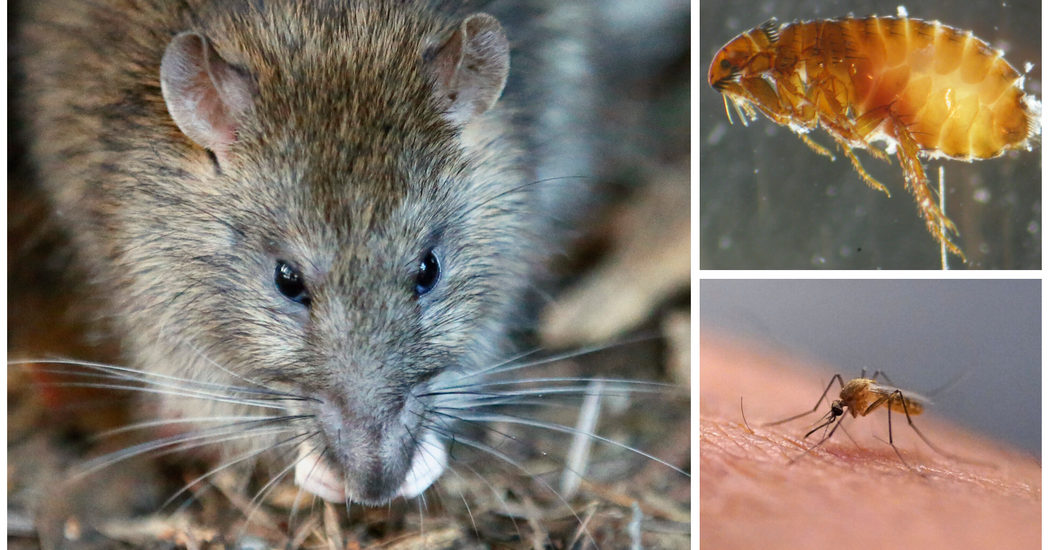
As scientists race to understand the complex dynamics of disease transmission, one question remains central to our collective defense: can we identify which creatures pass along each pathogen to humans? This is not merely an academic exercise—it is the foundation upon which effective prevention strategies must be built. The answer, as researchers are discovering, is a complex tapestry of interactions. Bats, with their remarkable immune systems and ability to host viruses without showing symptoms, have been identified as the likely source of Ebola, SARS, MERS, and COVID-19. Rodents serve as reservoirs for hantavirus, Lassa fever, and plague. Mosquitoes transmit malaria, dengue, and West Nile virus. Ticks carry Lyme disease and Rocky Mountain spotted fever. Birds are implicated in the spread of West Nile virus and various influenza strains. But the picture is constantly evolving as new research emerges. The challenge of identifying disease carriers is complicated by the fact that many pathogens can infect multiple host species and may pass through intermediate hosts before reaching humans. The pangolin, for example, was initially suspected as an intermediate host for SARS-CoV-2, though the exact pathway of transmission remains debated. What is clear is that public awareness and education about zoonotic diseases and their animal carriers are essential components of pandemic preparedness. Individuals can take steps to reduce their risk, from using insect repellent in tick and mosquito-prone areas to avoiding contact with wild animals and supporting sustainable land-use practices. But individual actions alone are insufficient. What is needed is a coordinated global response that addresses the root causes of disease emergence—protecting remaining forests, building sustainable cities, and dramatically reducing greenhouse gas emissions. The creatures that share our planet are not our enemies; they are sentinels warning us of the consequences of environmental disruption. By learning to identify them and understand the pathogens they carry, we can begin to build a future where human health and environmental health are recognized as inseparable. The question is not whether we can, but rather whether we will act in time to prevent the next pandemic. The answer, as with so much in our rapidly changing world, lies in our collective willingness to confront uncomfortable truths and make the difficult choices that a healthier, more sustainable future demands.