


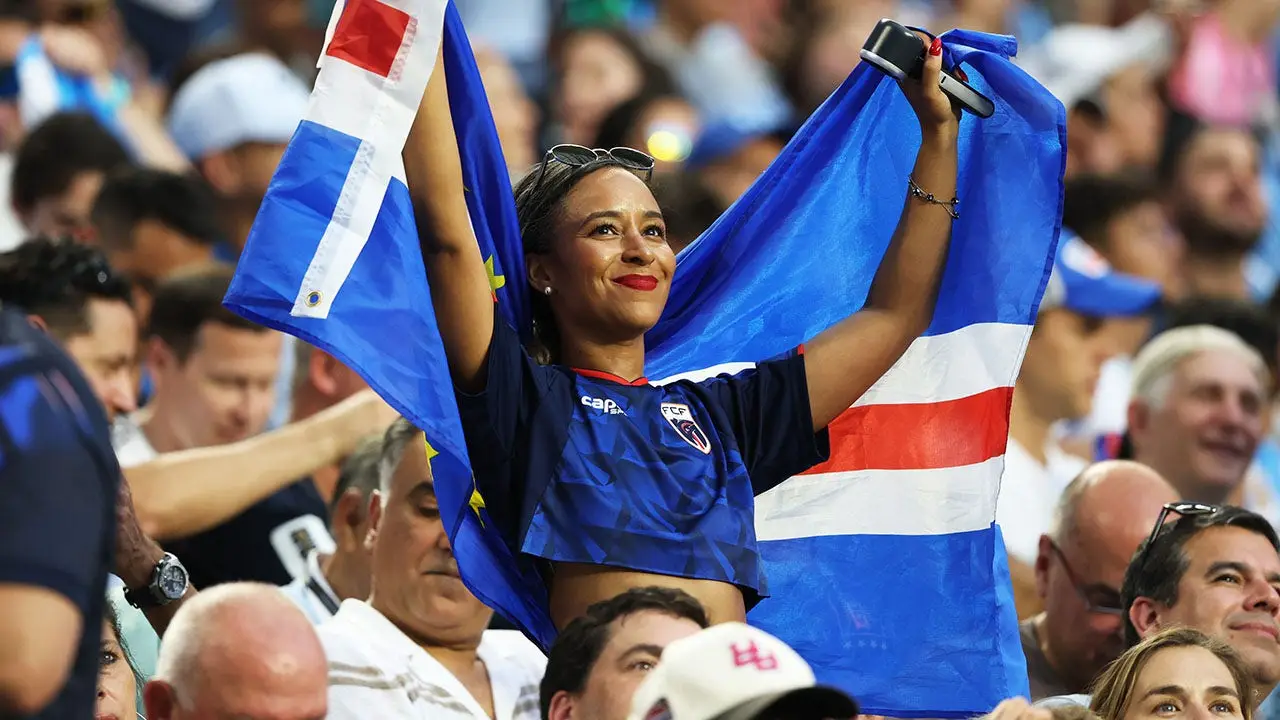
The air in the historic city of Brockton, Massachusetts, has been thick with an almost tangible sense of anticipation, a vibrant energy fueled by the fairytale journey of a small West African archipelago on the global stage. For the absolute first time in its history, Cape Verde—a stunning, resilient collection of ten volcanic islands located off the coast of Senegal—has qualified for the highly coveted FIFA World Cup. In the diaspora hub of Brockton, located just a short drive south of Boston, this achievement is far more than a sporting milestone; it is an epochal cultural celebration of identity, survival, and deep-seated national pride. Often proudly referred to as the “City of Champions” in honor of boxing legends like Rocky Marciano and Marvelous Marvin Hagler, Brockton is home to one of the largest and most tight-knit Cape Verdean communities in the entire United States, with nearly one in every four residents claiming this proud heritage. For generations, families have migrated to this former industrial manufacturing hub, bringing with them a rich tapestry of Creole language, soulful morna music, and an absolute, unwavering devotion to global football. As the national team prepares to square off on Friday night against the legendary powerhouse of Argentina, the city has transformed into a living canvas of blue, red, and yellow flags. Grandmothers are spending hours in their kitchens preparing massive pots of traditional cachupa stew to feed eager watch parties, children are practicing their footwork in neighborhood parks wearing their national jerseys, and local businesses have plastered their windows with hand-painted signs of solidarity. Yet, this beautiful expression of ancestral pride has also highlighted a deep, systemic anxiety within the city’s leadership, setting the stage for a dramatic administrative clash between community joy and public safety.
The sheer scale of the euphoria surrounding Cape Verde’s historic World Cup run has, unfortunately, pushed the boundaries of public safety to a dangerous breaking point in recent weeks. Following previous dramatic matches in the tournament, the jubilant cries of victory in Brockton’s neighborhoods quickly spilled out of cozy living rooms and into the dark, cold New England streets, transforming local parks and major thoroughfares into volatile arenas of chaos. City officials and local law enforcement reported a deeply troubling escalation in unlawful and dangerous behavior, with spontaneous celebrations rapidly deteriorating into unmanaged street takeovers. Major intersections became gridlocked by vehicles executing reckless, high-speed spinouts, while the night sky was filled with the deafening explosions of illegal commercial-grade fireworks launched directly into crowds. Vandals targeted local storefronts, and verbal altercations among dense gatherings quickly escalated into physically violent encounters. Most alarming of all to community elders and families were the sudden outbreaks of gun violence; local news outlets documented multiple chaotic locations where postgame celebrations were shattered by gunfire, leaving several young people injured and hospitalized. The community was left reeling, caught in a painful paradox where their brightest moment of international recognition was being overshadowed by localized violence. It became clear to Brockton’s administration that the status quo was unsustainable and that the impending, high-stakes matchup against Argentina demanded a decisive, protective, and immediate intervention before another tragedy struck.
In a bold and highly controversial move to preempt further disruption, Brockton’s city government officially declared a strict, temporary curfew designed to freeze the city’s nightlife in its tracks before the Friday evening match could even conclude. Beginning at 10:00 p.m. on Friday and remaining in active effect until 5:00 a.m. on Saturday, the emergency mandate essentially places the city under a localized lockdown during the peak hours of celebration. The parameters of the executive order are remarkably stringent, designed to curb the consumption of alcohol that often fuels the late-night descent into rowdiness. Under the explicit guidelines of the mandate, absolutely no patrons will be permitted to enter any establishment that serves alcohol—including local bars, sports lounges, social clubs, and restaurants—after the early hour of 7:00 p.m. For those loyal fans and patrons who manage to secure a seat inside before that cutoff, they are allowed to remain until the final 10:00 p.m. deadline, but the city has mandated a strict “last call” for all alcoholic beverages at 9:30 p.m. to ensure an orderly wind-down. The city has made it clear that exceptions to this sweeping order will be incredibly narrow, limited only to active law enforcement officers, fire and medical first responders, individuals commuting directly to or from their places of legitimate employment, and citizens actively seeking emergency medical care.
While city leaders defend the curfew as a painful necessity to preserve human life and property, the sweeping scope of the mandate has sent shockwaves through Brockton’s local business district and nightlife economy. For many immigrant-owned eateries, sports bars, and neighborhood clubs, the World Cup was supposed to be a historic financial windfall—a rare opportunity to pack their venues to capacity, sell food and drink, and recover from months of challenging economic conditions. Instead, business owners are facing the devastating reality of turning away paying customers at 7:00 p.m. on a Friday night, traditionally their most lucrative business window of the week. Many establishment owners have voiced deep frustration, arguing that the curfew unfairly penalizes law-abiding businesses that have spent thousands of dollars on extra security, staff, and inventory to host safe, family-friendly viewing parties. They argue that forcing patrons out onto the streets right as the game concludes could actually exacerbate safety hazards, creating a sudden bottleneck of thousands of excited, potentially frustrated fans ejected into the night simultaneously. The economic strain is compounded by a deep sense of cultural disappointment; for a community that has historically fought for recognition and respect, the shutdown feels to some like a heavy-handed dampener on a moment of pure, hard-earned cultural visibility and joy.
This tension highlights the complex relationship between the local authorities and the Cape Verdean community, sparking intense debate over the balance between systemic security and cultural expression. City administrators and police officials emphasized that their decision was not born out of a desire to stifle joy or target a specific demographic, but rather to protect everyone in the city, especially the revelers themselves. “The purpose of this curfew is to protect public safety, reduce criminal activity associated with post-match celebrations, and enable police, fire, and emergency personnel to effectively maintain order,” the city said in an official statement, urging residents to celebrate responsibly and obey all laws. Many older, established Cape Verdean residents and community leaders have echoed these concerns, admitting that they too are terrified of the reckless behavior displayed by a minority of young people who have tarnished the reputation of the wider community. These elders have been actively pleading with youth, urging them to remember the sacrifices of their immigrant parents and to honor their homeland through dignified behavior rather than destructive chaos. Meanwhile, the Brockton Police Department, alongside state police reinforcements, faces the delicate challenge of enforcing these strict measures with empathy, attempting to maintain peace without escalating tensions or turning a sports celebration into a militarized zone.
As the clock ticks closer to kick-off on Friday night, the eyes of the soccer world will be on Argentina and Cape Verde, but the heart of the drama will beat fiercely in the living rooms of Brockton. No matter how quiet the streets are forced to become under the watchful eyes of patrols and flashing blue lights, nothing can dim the historical magnitude of what this match represents. For a small nation of islands to stand on the same pitch as the legendary giants of South American football is already a monumental victory, a testament to the talent, grit, and spirit of the Cape Verdean people. The curfew may keep fans inside their homes after the final whistle blows, but it cannot stop the cheers from echoing through opened windows, nor can it diminish the deep, intergenerational pride of grandfathers showing their grandchildren what it means to see their flag flying high on the global stage. There is a collective prayer whispering through the neighborhoods of Brockton tonight—a prayer that the historic match will be remembered for the beautiful game played on the field, and that the community will rise to the occasion, proving that their passion is best expressed through unity, peace, and a shared love for the homeland that brought them all together.