




Powerful 6.5 Magnitude Earthquake Strikes Mexico, Shaking Felt Across Region
Seismic Event Hits Near Rancho Viejo in Early Morning Hours, Prompting Safety Concerns
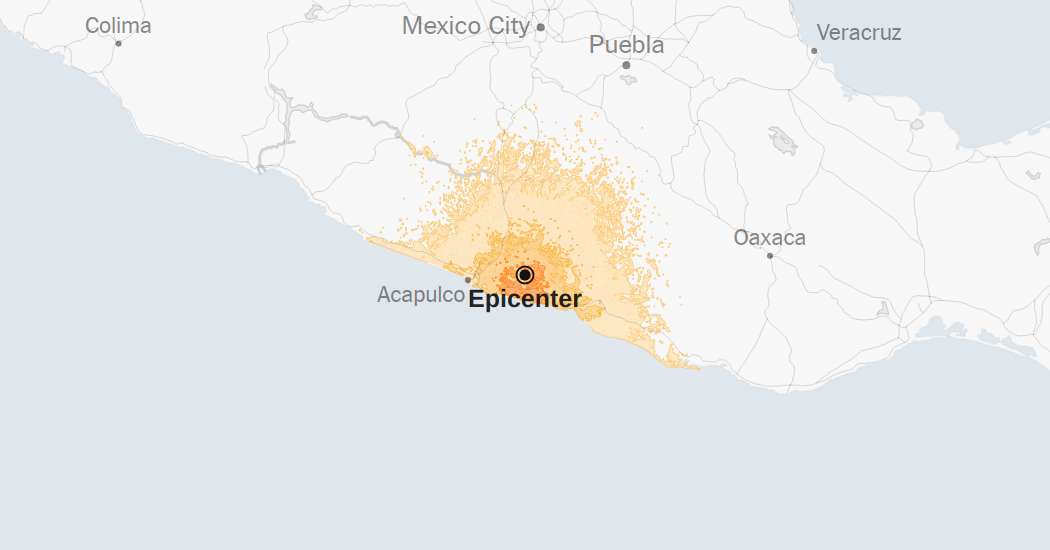
A powerful earthquake measuring 6.5 on the Richter scale rocked central Mexico on Friday morning, sending tremors through communities and raising immediate concerns about potential structural damage and casualties. The significant seismic event, recorded by the United States Geological Survey (USGS), struck at 7:58 a.m. local time, approximately two miles northwest of Rancho Viejo, Mexico, catching many residents as they were beginning their day.
The earthquake’s intensity prompted immediate response from local emergency services and national authorities who quickly mobilized assessment teams to evaluate infrastructure integrity and address potential humanitarian needs. Preliminary data from the USGS indicates this was a substantial seismic event, with ground movement sufficient to cause moderate to severe shaking within the immediate epicenter zone. Experts classify this magnitude of earthquake as capable of producing noticeable structural damage, particularly in buildings with vulnerable construction. While initial reports are still coming in, the timing of the earthquake—during daylight hours when many people were awake and alert—may have provided some advantage in terms of response time compared to nocturnal events that often cause greater confusion and impede evacuation efforts.
Understanding the Impact: Shake Intensity Map Reveals Affected Areas
The USGS shake intensity map, which visualizes the earthquake’s effects across geographic regions, shows areas experiencing intensity levels of 4 or greater—defined by seismologists as “light” shaking that can be clearly felt by people indoors and may wake sleeping individuals. This designation, based on the Modified Mercalli Intensity scale, provides crucial information for emergency responders prioritizing their efforts. The earthquake’s impact extended beyond the immediate epicenter, affecting surrounding communities with varying degrees of intensity. As with most significant seismic events, the effects diminished with distance from the epicenter, creating concentric zones of decreasing intensity. However, even in regions experiencing “light” shaking, residents reported feeling the distinct movement, with some describing the sensation as similar to standing on a gently rocking boat.
Mexico, situated within the geologically active “Ring of Fire”—a horseshoe-shaped zone around the Pacific Ocean known for frequent seismic and volcanic activity—has a long history of significant earthquakes. This positioning along the boundaries of several tectonic plates, including the North American plate and the Cocos plate, makes the region particularly susceptible to seismic events. The convergence of these massive earth structures creates tremendous pressure that periodically releases in the form of earthquakes. Friday’s event serves as another reminder of the region’s geological volatility and the importance of maintaining robust earthquake preparedness protocols, especially in a country that has experienced devastating seismic disasters in its past, including the catastrophic 1985 Mexico City earthquake that claimed thousands of lives and the more recent 2017 Puebla earthquake.
Ongoing Monitoring and Potential for Revisions to Earthquake Data
Seismologists at the USGS continue to analyze incoming data and may revise the reported magnitude as more information becomes available—a standard procedure following significant seismic events. Initial earthquake measurements often undergo refinement as additional seismic monitoring stations report their readings and scientists conduct more comprehensive analysis of the wave patterns. This process of continuous assessment allows for increasingly accurate characterization of the event, including precise depth measurements that help determine potential aftershock patterns and risk assessments. The agency has also indicated that the shake-severity map may be updated as additional information is collected, providing emergency responders and the public with the most accurate picture of affected areas.
The systematic collection and analysis of earthquake data represents a crucial component of modern seismic monitoring systems. Each significant earthquake provides valuable information that contributes to the growing body of knowledge about geological formations and tectonic behavior in the region. This information proves invaluable for developing more accurate predictive models and improving building codes to enhance structural resilience against future seismic events. Additionally, the data collected from Friday’s earthquake will be analyzed alongside historical patterns to identify any potential changes in regional seismic activity or shifts in known fault lines. Mexico’s National Seismological Service, working in conjunction with international partners like the USGS, maintains an extensive network of monitoring stations throughout the country, allowing for rapid detection and characterization of seismic events.
Historical Context and Mexico’s Earthquake Preparedness Systems
Mexico’s geographical location has necessitated the development of sophisticated earthquake response systems and public awareness campaigns. Following devastating earthquakes in the nation’s history, Mexico implemented one of the world’s most advanced early warning systems—the Mexican Seismic Alert System (SASMEX). This network of sensors along the country’s Pacific coast can detect seismic activity and provide crucial seconds of warning before the most destructive waves reach populated areas. Friday’s earthquake once again tested these systems, which have been continually refined and expanded since their initial implementation in the early 1990s. The effectiveness of these warning systems, combined with regular public earthquake drills and widespread educational campaigns, has significantly improved Mexico’s earthquake preparedness in recent decades.
The social and psychological impact of recurring seismic events has shaped Mexican culture and community responses to natural disasters. Many older residents carry vivid memories of past catastrophic earthquakes, creating a heightened awareness and respect for these natural phenomena. This collective experience has fostered community resilience and spontaneous organization during crises, with neighbors often forming impromptu rescue teams and support networks before official help arrives. Schools throughout Mexico regularly conduct earthquake drills, teaching children from an early age the proper procedures for seeking shelter and evacuating buildings safely. These cultural adaptations to the persistent threat of earthquakes have become integrated into the national identity and represent an important component of Mexico’s overall disaster response capability.
Looking Forward: Aftershock Risks and Recovery Efforts
In the hours and days following the main seismic event, residents and authorities remain vigilant for potentially dangerous aftershocks. Seismologists are closely monitoring the region within a 100-mile radius of the epicenter, as secondary earthquakes frequently occur after major seismic events. These aftershocks, while typically smaller than the main earthquake, can cause additional damage, particularly to structures already weakened by the initial tremor. The USGS aftershock data, current as of Friday at 10:28 a.m. Eastern time, provides critical information for emergency managers and the public regarding ongoing risks and necessary precautions.
As affected communities begin the process of assessment and recovery, the resilience of Mexico’s infrastructure will be thoroughly tested. Modern buildings constructed to stringent seismic codes generally perform well during earthquakes of this magnitude, but older structures or those built without proper reinforcement remain vulnerable. The economic impact of the earthquake will depend largely on the extent of damage to critical infrastructure such as roads, bridges, communication networks, and utilities. Local and national authorities will need to coordinate comprehensive response efforts, potentially including temporary housing for displaced residents, restoration of essential services, and structural inspections to ensure public safety. International organizations stand ready to provide assistance if requested by Mexican authorities, reflecting the global cooperation that often emerges following significant natural disasters. As the full picture of the earthquake’s impact continues to develop, the focus remains on ensuring public safety while beginning the process of recovery and rebuilding.