




The humid June air in Kansas City was thick with an undeniable sense of global camaraderie and athletic celebration. For months, the region had prepared to host matches for the FIFA World Cup, a monumental event that transformed Arrowhead Stadium into a vibrant melting pot of cultures, languages, and shared passion. On this particular Tuesday night, the stadium was illuminated against the dark Midwestern sky, drawing thousands of eager spectators dressed in the jerseys of Argentina and Algeria. Laughter, rhythmic chants, and the hum of traffic filled the surrounding streets and highways as families, tourists, and locals made their way to what promised to be a historic night. But in a tragic flash of violence, this celebratory atmosphere was permanently shattered. Along the asphalt veins of Interstate 70, just a few miles from the stadium’s bright lights, a sequence of terrifying gunshots rang out. What should have been a memorable celebration of international sportsmanship devolved into a localized warzone, causing panic to ripple through the bumper-to-bumper traffic as drivers suddenly found themselves dodging a barrage of random bullets.
The human cost of this sudden highway rampage is both devastating and deeply personal, illustrating how a single individual’s actions can instantly derail innocent lives. Among those caught in the crossfire was an unsuspecting Uber driver, who was simply working a late-shift route to earn a living, chauffeuring excited soccer fans toward the stadium when a bullet pierced the metal of the vehicle and shattered the peace, striking the driver directly in the leg. While paramedics rushed to treat the driver and several other wounded victims—most of whom survived, though burdened with physical wounds and psychological trauma—one individual was not so fortunate. In the chaos of the multi-car assault, one precious life was violently cut short, transforming a festive night into a permanent, agonizing tragedy for a grieving family. These victims were not combatants in a feud; they were ordinary citizens, parents, workers, and sports fans whose only mistake was driving down a public highway at the wrong moment, highlighting the terrifying randomness of modern gun violence and the fragile thread upon which public safety hangs.
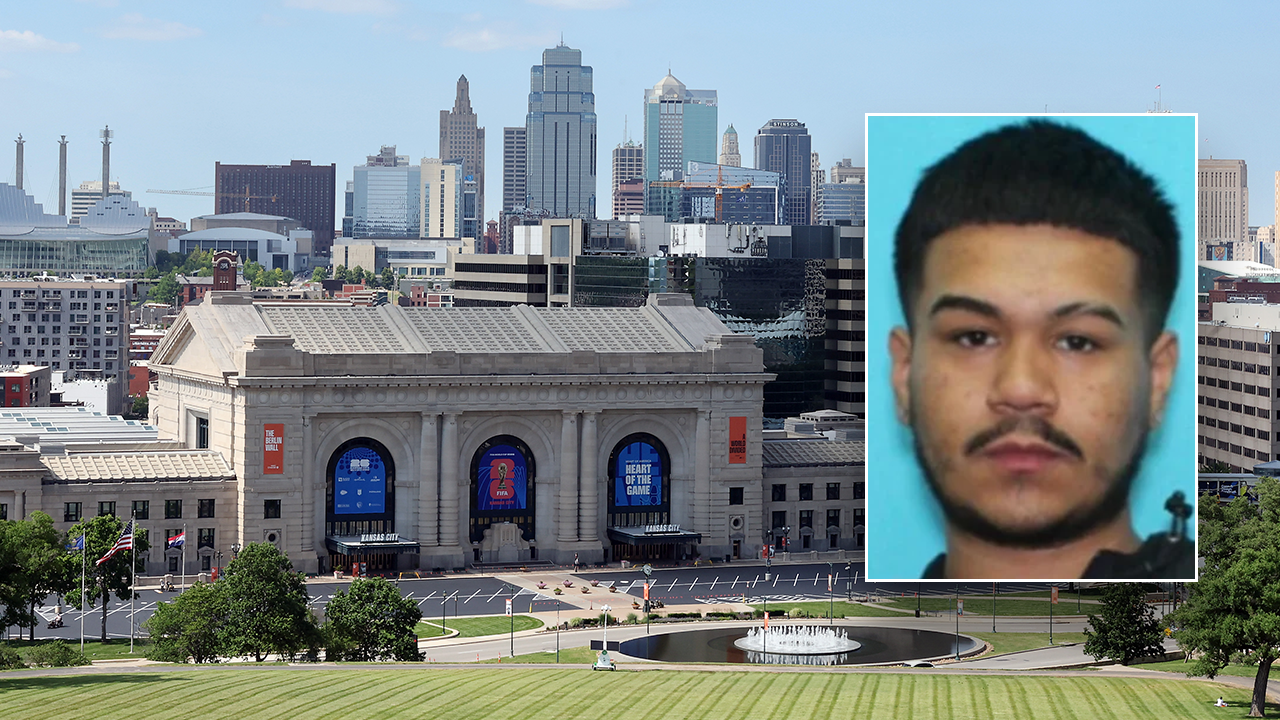
Investigators quickly turned their attention to identifying the architect of this interstate panic, pointing to 22-year-old Oscar Sanchez-Munoz as the prime suspect. Far from a spontaneous outburst, authorities reveal that Sanchez-Munoz was already a familiar name to local law enforcement, having established a trail of escalating violence in the days leading up to the highway shootings. Just a week prior, on June 11, a state warrant had been issued for his arrest in Wyandotte County, Kansas, after he allegedly fired a weapon at an occupied vehicle, landing him with severe charges of aggravated assault and the criminal discharge of a firearm, coupled with a $100,000 bond. Physically described as a young man of White and Hispanic descent, standing 5 feet, 8 inches tall, weighing around 184 pounds with brown hair, brown eyes, and an identifiable tattoo on his right forearm, Sanchez-Munoz represents a modern paradox—a young individual who chose a path of chaotic violence that quickly crossed state lines, shifting from a regional fugitive to the focus of an intense, federal-level manhunt.
As Tuesday night bled into Wednesday morning, law enforcement tracked the elusive suspect to a suburban home in Independence, Missouri, setting the stage for a tense, overnight standoff. Tactical units, K-9 teams, and armored vehicles surrounded the property, their sirens painting the neighborhood in flashes of blue and red as negotiators attempted to coax the heavily armed suspect into a peaceful surrender. However, the high-stakes confrontation took a dramatic and destructive turn when the residence suddenly erupted in flames, sending thick plumes of black smoke into the night air and forcing officers to retreat to a safe perimeter. As firefighters battled the intense blaze, the community waited in suspense, hoping the fiery chaos would finally bring an end to the active threat. Yet, when the smoldering ruins were finally cooled and deemed safe for a thorough search on Wednesday morning, investigators—accompanied by accelerant-detection dogs and state fire marshals—discovered only ashes and charred debris. While they successfully recovered the suspect’s getaway vehicle nearby, Sanchez-Munoz was nowhere to be found, having slipped away into the shadows of the night before the flames consumed the structure.
Today, the search has expanded into a massive, multi-agency operation led by the Federal Bureau of Investigation’s Kansas City field office and the Kansas City Police Department. To incentivize the public and accelerate the capture of this highly dangerous individual, a substantial federal reward of up to $25,000 has been put forward for information leading to his arrest and conviction. Yet, as tactical teams and federal agents chase down leads across state borders, one of the most frustrating aspects of the case remains the total absence of a clear motive. With no known connection between the suspect and the victims, the arbitrary nature of the highway attacks has generated a profound psychological weight for local residents, who must now grapple with the unsettling reality that an armed and unpredictable suspect is still wandering free. This lingering uncertainty has cast a long shadow over the metropolitan area, replacing the post-World Cup euphoria with a pervasive sense of caution and anxiety.
In response to this ongoing threat, authorities are reiterating their urgent pleas for public vigilance, reminding everyone that Oscar Sanchez-Munoz should be treated as armed and exceptionally dangerous. Citizens are warned under no circumstances to approach the suspect if spotted, but to immediately contact emergency services by dialing 911 or by utilizing anonymous channels such as regional Crime Stoppers networks. Ultimately, this harrowing ordeal serves as a stark reminder of the resilience required of a community caught in the wake of sudden, senseless trauma. While the physical scars of the victims will heal slowly and the burned-out home in Independence will eventually be cleared away, the restoration of peace and security in Kansas City depends entirely on the collective watchfulness of its people, standing united against the fear and chaos of a fugitive on the run.