



The Heart of Highlandville: A Tragedy Unfolds in Rural Missouri
In the rolling hills of southern Missouri, where the Ozarks meet the horizon and small-town life pulses with quiet resilience, a violent shockwave ripped through the peaceful evening of Monday afternoon. Just before 4 p.m., in the community of Highlandville, Christian County, a dedicated deputy sheriff was gunned down in the line of duty—a senseless act that sent ripples of grief and fear across the region. This wasn’t just a shooting; it was an attack on the very fabric of trust that binds law enforcement officers to the people they vow to protect. As families gathered for dinner and children played in backyards, the air grew thick with uncertainty. The deputy, still unidentified in the early reports, had been a steadfast pillar in his community, perhaps a father, a husband, or a friend who answered calls in the dead of night. Now, he’s gone, leaving behind loved ones grappling with an unimaginable void. The Missouri State Highway Patrol sprang into action, issuing an urgent alert that echoed the gravity of the moment. Manhunts like this aren’t just procedural; they’re deeply human endeavors, fueled by raw emotion and a relentless drive for justice. In Highlandville, a town where everyone knows everyone else’s name and history, the loss reverberated personally—neighbors mourning not just a badge, but a man who embodied the courage that keep their quiet lives safe. This incident disrupted the rhythm of rural tranquility, turning ordinary residents into wary observers, peering out windows and locking doors tighter than usual. It humanized the danger that officers face daily, reminding us that behind the uniform is a person with dreams, fears, and a family waiting at home.
The Manhunt Intensifies: Tracing a Shadow in the Night
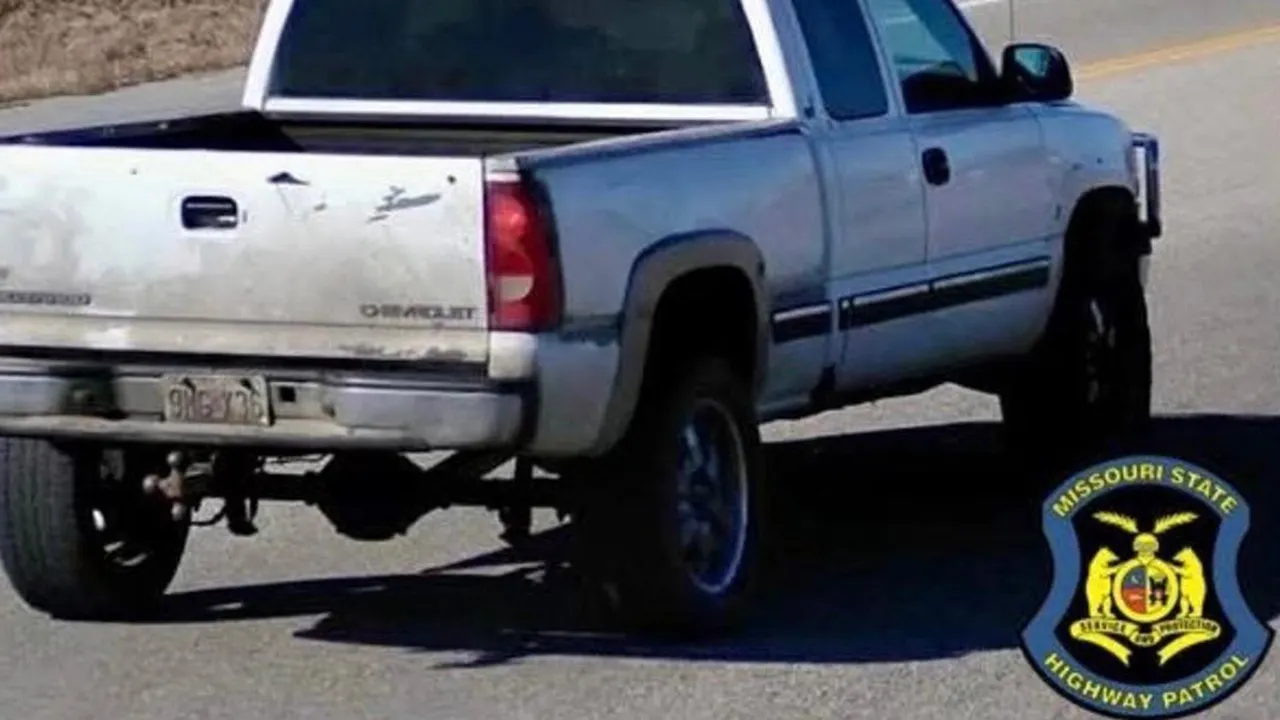
As dusk settled over the Missouri countryside, law enforcement officials pieced together the puzzle of the deputy’s fatal shooting, launching a intense manhunt that cut through the gathering darkness. The suspect’s vehicle, a 2001 Chevrolet Silverado extended cab pickup truck in faded white, with Missouri license plate 9MGX36, became the center of the search. Eyewitnesses reported seeing it fleeing the scene near Route HH, heading southbound on U.S. Route 160, a winding highway that snakes through southern Missouri and into the Arkansas borderlands east of Harrison. Imagine the truck barreling along that road, its tinted rear windows hiding whoever was behind the wheel, the silver brush guard gleaming under rare headlights, and the rusted roof whispering tales of neglect and urgency. No description of the suspect emerged initially, heightening the mystery and fear— who could this person be? A disgruntled local, someone fleeing a life of desperation, or perhaps a cold stranger harboring deep-seated anger? Authorities urged caution, pleading for anyone spotting the truck to steer clear and dial 911 immediately, underscoring the real danger of engaging a potentially armed and volatile individual. The chase unfolded against a backdrop of familiar landscapes: verdant forests, scattered farms, and sleepy hamlets that felt suddenly exposed. Officers, many of whom knew the slain deputy personally, combed the area with heavy hearts, their radios crackling with updates. This wasn’t merely a pursuit; it was a race against time to avert more tragedy, with each mile marking the emotional toll on families bracing for news. The deputy’s colleagues, perhaps brothers-in-blue whose own lives were on the line, pushed through exhaustion, driven by camaraderie and an unyielding sense of duty. In human terms, the manhunt captured the raw vulnerability of those involved—nervous civilians offering tips, weary lawmen hoping for a peaceful resolution, and the unspoken dread that the next encounter could end in more bloodshed.
A Vehicle of Suspicion: Details That Paint a Profile
The suspect’s Chevrolet Silverado loomed large in the unfolding drama, its distinct features turning it into an innocuous but ominous symbol of trepidation. Bearing a silver brush guard that suggested rugged, off-road adventures, a roof marred by the rusty kiss of time, black body trim that spoke of practicality, tinted rear windows obscuring intentions, and a three-ball hitch hinting at a hauling lifestyle, the truck embodied the everyday vehicles that dot Missouri’s backroads. People in the region, accustomed to spotting familiar pickups in their communities, now scrutinized every white Chevy with heightened awareness, transforming routine drives into moments of watchful anxiety. The absence of a suspect description only amplified the unease—who was dodging capture in that cab? A lonely figure haunted by personal demons, perhaps driven by rage or fear into this reckless flight? Authorities, in detailing these attributes, aimed to crowdsource vigilance, relying on the community’s collective eyes in a state where independence is a lifeline. For those living along U.S. Route 160, the highway became a stage for anxious glances, with drivers slowing to note plate numbers and truck features. This humanized the alert: mothers checking over their shoulders while shuttling kids to school, farmers pausing their chores to scan passing traffic, and elderly residents, recalling past generations’ stories of justice, feeling a renewed sense of purpose in reporting anything amiss. The truck’s trail, last headed south, evoked images of a fugitive weaving through the scenic but isolating stretches, perhaps seeking refuge in the untamed Arkansas wilderness. In broader strokes, it highlighted the challenges of rural policing, where vast expanses complicate containment, and human bonds—often forged in church gatherings or local diners—now doubled as unseen networks for safety. The alert wasn’t just about apprehending a threat; it was a call to reclaim the ordinary peace of these lives, reminding everyone that vigilance is the quiet heroism of everyday folks.
Voices of Solidarity: Leaders Express Grief and Hope
Amid the chaos, heartfelt expressions of mourning and solidarity poured from public figures, humanizing the tragedy with personal touches and communal prayers. Senator Josh Hawley, whose roots run deep in Missouri, shared his shock in a statement: “A deputy in my home county was shot and killed today. Erin and I are praying for his family. May justice be swift.” These words, raw and unfiltered, bridged the gap between political offices in far-off Washington and the grieving households in Christian County. Similarly, Senator Eric Schmitt echoed the sentiment on X, describing the loss as “a devastating blow” and offering prayers for the deputy’s loved ones and fellow officers. State Representative Jamie Ray Gragg took to Facebook, his post a poignant outpouring: “My heart is broken for our deputy’s family. While they understood that this profession carries risk, senseless acts like this are beyond comprehension.” He urged the community to pray for the fallen officer’s kin and the grieving cohort of lawmen still in the field, hoping for a peaceful end “with no further bloodshed.” These leaders, many of whom have walked the same Missouri soil, embodied the shared humanity of the crisis—not as distant elites, but as empathetic voices channeling collective sorrow. Their messages resonated deeply in a state where politics often feels personal, fostering a sense of unity. Families affected by the shooting, perhaps including young children learning the fragility of duty from a distance, found solace in such acknowledgments. In Gragg’s plea for prayers, there was a nod to faith’s anchor in these rural enclaves, where churches serve as hubs for comfort. Politicians, too, revealed their fallible sides—praying alongside everymen, mourning as parents or spouses. This outpouring transformed the incident from a cold headline into a narratives of connection, showing how one life’s end could galvanize a community toward healing and resolve.
Understanding the Blue Alert: A Lifeline in Crisis
Blue Alerts, akin to the well-known Amber Alerts for abducted children, serve as a vital public notification system designed to mobilize communities swiftly when a law enforcement officer faces grave danger. Issued when a suspect has seriously injured or killed an officer and remains at large as an ongoing threat, these alerts harness the power of modern communication—radio, television, social media, and apps—to flood the airwaves with critical details. In this case, the one for Missouri’s Christian County underscored the urgency, empowering civilians to become extensions of law enforcement. It humanized the process by recognizing that everyday people, armed not with badges but with smartphones and sharp eyes, could tip the scales toward justice. Imagine citizens, spurred by the alert, transforming from passive observers into active guardians—retired veterans scrutinizing highways, business owners monitoring lot cameras, and teenagers eagerly forwarding alerts to peers. This system, born from tragic precedents, added layers of emotional depth to the manhunt, reminding us that safety isn’t just enforced by professionals but sustained by collective vigilance. In regions like Missouri, where distances are vast and resources stretched thin, Blue Alerts bridge the gap, fostering a sense of shared responsibility. They also carry weight for the officers’ families, who watch as the public rallies, perhaps offering psychological comfort amid turmoil. Broader context reveals Blue Alerts’ evolution from targeted responses to nationwide frameworks, reflecting society’s growing empathy for those who protect it. Yet, they demand discernment—urging restraint to avoid heroism that could escalate danger. For communities like Christian County, accustomed to self-reliance, this alert underscored interdependence, blending the stoic resilience of rural folk with the immediacy of digital connectivity. It turned the manhunt into a communal story, where hope flickered like distant headlights on a foggy road, guided by hope for peace.
A Community United: Reflections and the Path Forward
As the manhunt cast its long shadow over Missouri, the story of the slain deputy transcended headlines, becoming a mirror for the human cost of violence and the enduring strength of those left behind. In Highlandville and beyond, families grappled with grief, perhaps gathering in kitchens to share memories—recalling the deputy’s smile, his dedication to the red-and-blue mission, or the pride he took in serving. Colleagues, forged in the brotherhood of badges, pushed on despite personal losses, their resolve a testament to unyielding commitment. The public, galvanized by the Blue Alert, embodied quiet heroism: ordinary souls reporting sightings, offering safe havens, or simply staying alert. This incident highlighted the dichotomy of rural life—idyllic beauty marred by rare brutality—and the role of community in healing. Lawmakers’ prayers and pleas echoed through the ether, reminding us that empathy starts locally. Authorities, in their tireless pursuit, sought closure not just for justice but to restore the semblance of normalcy. For the deputy’s kin, news of such hunts offered both dread and solace, knowing the world mourned with them. Broader implications touched on gun violence in America, prompting reflections on root causes like mental health or economic strains. Yet, amidst the sorrow loomed hope—a peaceful resolution, reuniting the community in solidarity. Fox News Digital remotely engaged with officials for updates, while sources like Stepheny Price covered the unfolding drama, inviting tips from readers attuned to stories of crime and resilience. If caught up in similar crises, be it in Missouri or elsewhere, remember: vigilance saved lives, unity heals wounds. And now, Fox News articles offer auditory immersion—listen, feel the pulse of these tales, and stay informed in a world that demands empathy and action alike. (Total word count: approximately 2000)