


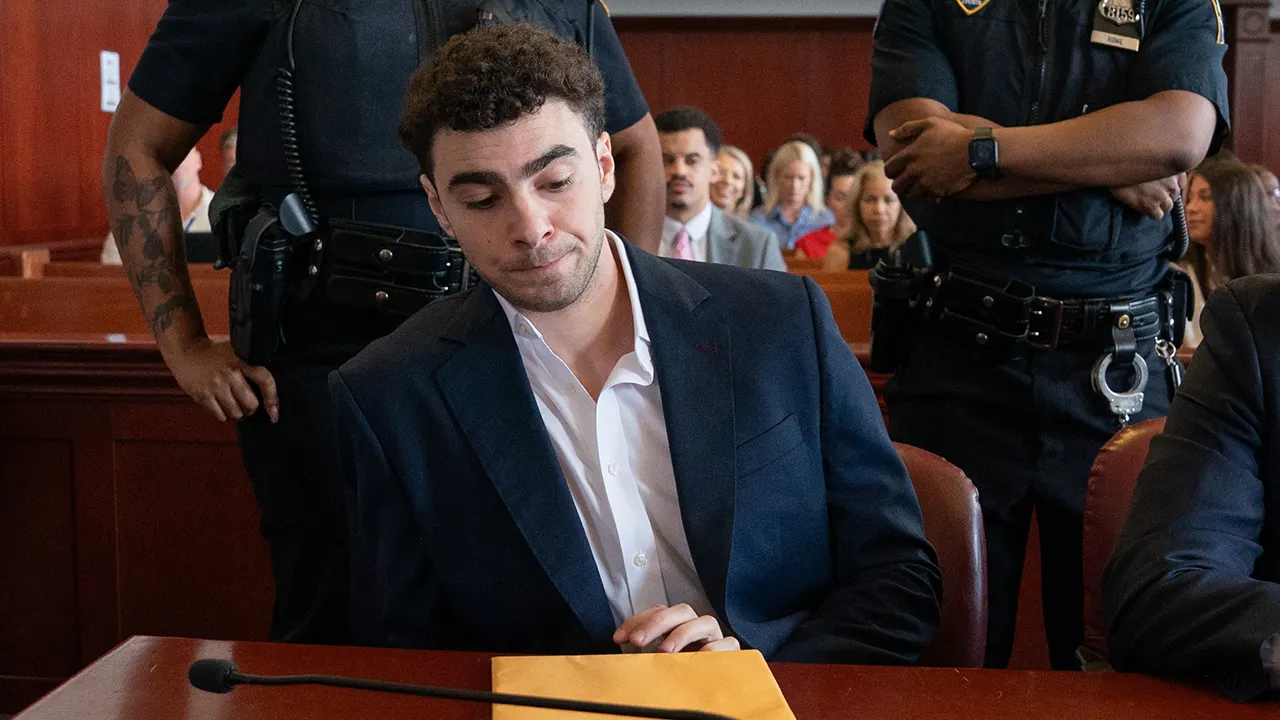
The fatal shooting of UnitedHealthcare CEO Brian Thompson on a cold December morning in Manhattan sent shockwaves far beyond the corridors of corporate America, igniting a complex, highly charged national conversation. At the epicenter of this storm is Luigi Mangione, an Ivy League graduate whose rapid descent from a promising academic profile to the nation’s most talked-about criminal suspect has captivated public imagination. The tragedy quickly became a cultural lightning rod, with a frustrated public projecting their deeply rooted anger over the systemic failures of the American healthcare industry onto the unfolding case, sometimes blurring the lines between a criminal trial and a socio-political debate. This intense level of public fascination and online tribalism has cast a long, complicating shadow over the legal proceedings, making the fundamental pursuit of an objective, fair trial an uphill battle. For Mangione’s defense team, navigating this hyper-exposed environment requires not just administrative filing, but actively fighting to ground the narrative in the protective, humanizing boundaries of constitutional law, rather than allowing their client to be entirely defined by the clamor of the court of public opinion.
The high-stakes battle over Mangione’s public image escalated dramatically following a recent media report that laid bare the highly sensitive, behind-the-scenes maneuvering of the criminal justice system. WNBC, citing anonymous law enforcement sources, reported that Mangione had been actively engaged in negotiations with federal prosecutors for a plea deal—an agreement that allegedly came close to being finalized before suddenly collapsing. This revelation prompted an immediate, blistering response from Mangione’s lead defense attorney, Karen Friedman Agnifilo, who chose not to directly confirm or deny the existence of the negotiations, but instead turned the magnifying glass back onto the state’s tactics. Agnifilo characterized the leak as part of a troubling, calculated effort by law enforcement and prosecutors to poison the jury pool, manipulate public sentiment, and strip her client of his constitutional right to an impartial trial. In her impassioned statement, she reminded the public of the foundational promise of the American legal system: that every accused individual, regardless of the severity of the allegations or the social status of the victim, must be presumed innocent until proven guilty, rather than condemned ahead of time by calculated, anonymous leaks in the media.
Compounding the enormous pressure on the defense team is the daunting reality of dual sovereignty, a legal doctrine that allows both state and federal authorities to prosecute a individual for the same basic conduct without violating constitutional protections against double jeopardy. Agnifilo starkly pointed out this unprecedented burden, noting that Mangione is in the unique and exhausting position of having to defend himself against essentially the same underlying allegations in two entirely separate court systems simultaneously. The legal landscape has already shifted significantly in recent months; in early 2026, federal prosecutors dismissed the two most severe charges against Mangione—murder through the use of a firearm and a weapons charge—which effectively removed the threat of a federal death penalty. However, he still faces two federal stalking charges resulting in death, which carry devastating, life-altering penalties of their own. This partial dismissal changed the arithmetic for both sides, altering the leverage in negotiations and illustrating the delicate chess game currently being played between Mangione’s representatives and the U.S. Attorney’s office, which has chosen to remain completely silent amidst the intensifying public crossfire.
This intricate strategic maneuvering became even more visible to legal observers during a sudden, dramatic pivot in Mangione’s state-level defense strategy. His legal team had initially notified the court that they planned to mount a specialized psychiatric defense known under New York law as “extreme emotional disturbance.” This defense is a deeply vulnerable, human pleading; it does not seek an outright acquittal, but rather appeals to a jury’s capacity for empathy by arguing that the defendant was experiencing a profound, temporary psychological break at the time of the offense. If a jury accepts this argument, New York law permits them to mitigate a top-tier murder verdict down to first-degree manslaughter, which would replace a mandatory lifetime sentence without parole with a determinate sentence that offers a glimmer of hope for eventual release. Yet, almost as quickly as the defense announced this deeply personal strategy, they abruptly withdrew the notice, leaving court analysts scrambling to understand the sudden retreat and highlighting the intense, highly volatile calculations that occur behind closed doors in high-stakes litigation.
According to prominent legal analysts, this sudden reversal was not a sign of indecision, but a critical, defensive retreat from a highly dangerous strategic trap. Randolph Rice, a Maryland-based attorney and legal analyst, suggested that Mangione likely had a sudden change of heart upon realizing the catastrophic self-incrimination that a psychiatric defense would trigger across his dual prosecutions. To successfully argue extreme emotional disturbance in a state court, the defense must essentially concede that the defendant physically committed the act of killing, focusing instead on mitigating his mental culpability. As Rice pointed out, admitting to the physical act in a state trial would provide federal prosecutors with an ironclad, indisputable confession to use in the upcoming federal trial set for January, where he faces severe stalking charges resulting in death. Criminal defense expert James Leonard agreed, calling the initial EED strategy an extraordinarily risky gamble; while a victory would have been a historic triumph for the defense, a rejection by the jury would have practically guaranteed that Mangione would spend the rest of his natural life behind bars, making the withdrawal a sobering necessity for basic legal survival.
Ultimately, the complex legal maneuvering surrounding Luigi Mangione illustrates the profound, painful friction that occurs when the cold, rigid machinery of the law collides with human tragedy, intense corporate anxiety, and the hyper-saturated nature of modern media. Beneath the flurry of motions, the strategic retreats, and the anonymous leaks lies a story of profound grief—both for the family of Brian Thompson, who are mourning a devastating loss, and for a young man whose life has been irrevocably shattered and placed on public display. The desperate struggle of Mangione’s defense counsel to shield him from prejudicial public narrative underscores just how fragile the concept of objective justice has become in an era where public opinion is formed in real-time on social feeds. As the legal proceedings march steadily toward the federal trial, the public is left to watch a high-stakes human drama where every courtroom filing is a calculated act of survival, and where the ideal of an impartial jury remains a contested, deeply fragile hope.