


The UnitedHealthcare CEO Murder Case: Evidence Battle One Year Later
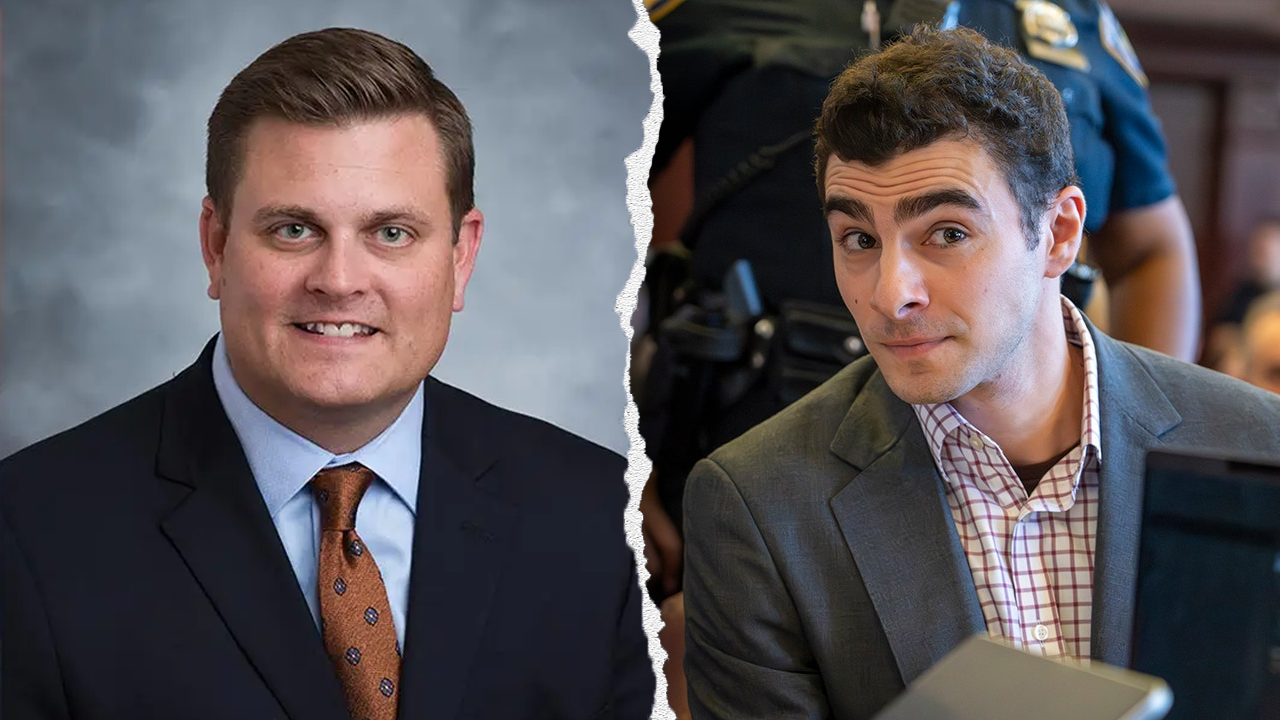
Almost a year after UnitedHealthcare CEO Brian Thompson was gunned down outside a Manhattan hotel, the legal battle surrounding his accused killer has centered on a critical question: Will the evidence that police say connects 27-year-old Luigi Mangione to the assassination be allowed in court? Mangione’s defense team has launched a challenge to suppress key pieces of evidence, including the alleged murder weapon found in his backpack, journals that reportedly detail his motives, and statements he made to authorities. These items were seized without a search warrant when Mangione was arrested at a Pennsylvania McDonald’s, where employees recognized him as the person wanted in connection with Thompson’s murder. While legal experts note these suppression arguments aren’t completely without merit, most view them as “long shots” given established precedent around searches incident to lawful arrests.
The circumstances of Mangione’s capture paint a picture that doesn’t favor his legal arguments. On December 9, 2024, staff at an Altoona McDonald’s called 911 after spotting a suspicious man who matched the description of New York police’s “person of interest.” When officers arrived, they immediately recognized Mangione despite his mask. According to testimony, Mangione complicated matters by providing a fake New Jersey ID with the name “Mark Rosario” – allegedly the same false identification he used to check into a Manhattan hostel before Thompson’s murder. This deception became the basis for his initial arrest, after which police searched his backpack without a warrant. Chicago attorney Donna Rotunno assessed the situation bluntly: “They have no leg to stand on with a fake name and fake ID. The police have an absolute right to ask you to identify yourself.” The standard legal doctrine allows police to conduct warrantless searches of a person and their immediate belongings after a lawful arrest.
The evidence at stake is substantial and potentially damning. Inside Mangione’s backpack, police reportedly found a 3D-printed gun believed to be the murder weapon, along with journals that might reveal his planning and motivation. Additionally, while in a Pennsylvania jail awaiting extradition to New York, Mangione allegedly made unprompted statements to a guard about having a 3D-printed gun and foreign currency in his bag. The guard, Matthew Henry, testified that he hadn’t questioned Mangione or encouraged this disclosure. Legal expert Christopher Slobogin of Vanderbilt University Law School noted that while Mangione’s arguments necessitate a hearing to establish the relevant facts, Supreme Court precedent is clear that “if a person’s been lawfully arrested, the police can do a warrantless search incident to that arrest of any objects on the individual’s person except for their cellphone.”
The murder itself was a calculated act of violence that shocked the business world. Thompson, a 50-year-old father of two from Minnesota, was attending an investor conference in New York when a masked assailant shot him in the back outside a midtown Hilton hotel. In a particularly chilling detail, NYPD investigators recovered shell casings from the scene with inscriptions believed to reference a book about health insurance companies avoiding claim payments – suggesting a targeted assassination rather than a random act of violence. This methodical approach aligns with what authorities have characterized as Mangione’s careful planning, as detailed in the journals they’re fighting to keep as evidence. The prosecution contends that these materials not only connect Mangione to the crime but also illuminate his alleged motives and state of mind.
Defense attorneys have argued that police violated Mangione’s constitutional rights – specifically his Fifth Amendment right to remain silent and his Fourth Amendment protection against unreasonable searches. The multi-day hearing before Judge Gregory Carro has included testimony from arresting officers and jail staff, along with bodycam footage presented as evidence. While Mangione’s team has pushed hard on these constitutional claims, legal experts remain skeptical about their chances of success. Los Angeles criminal defense attorney Josh Ritter observed that while “the arguments are probably long shots, they’re not without merit,” the factual circumstances simply don’t favor the defense position. Similarly, Rotunno suggested that Mangione’s alleged statement to the jail guard seemed more like bragging than a response to improper questioning: “It sounds like it’s much more plausible that he was proud of what he did and wanted to put it out there.”
Mangione has already secured one significant legal victory from his April motion – the dismissal of terrorism charges that would have made the maximum penalty life without parole. With that charge removed, his most serious remaining count is second-degree murder, which still carries a potential life sentence but leaves the possibility of parole on the table. As Judge Carro considers the motion to suppress evidence, the stakes remain extraordinarily high for both the prosecution and defense. For Thompson’s family, the proceedings represent a step toward potential justice for the 50-year-old executive gunned down in broad daylight. For Mangione, the outcome of this evidence battle could fundamentally shape his trial and ultimately determine whether he spends the rest of his life behind bars. The judge has not yet announced when he will rule on the admissibility of the contested evidence, but his decision will undoubtedly be a pivotal moment in this high-profile murder case that has drawn national attention to issues of corporate targeting and planned violence.